
The Vital Stories blog continues to spotlight the depth and impact of Vital Strategies’ work around the world, from bold policy wins and data-driven public health solutions to stories that elevate the voices of communities and partners shaping change. This year’s top blogs reflect our global reach and the urgency of today’s challenges, whether strengthening health systems, reimagining public health language, preventing injuries and NCDs, or advancing gender equity. Here are 10 of our most popular Vital Stories from 2025.
Nepal is the First Country in the World with 100% Health Warnings on Tobacco Packaging

Nepal made history this year by mandating that all tobacco products carry 100% health warnings, becoming the first country in the world to do so. The new directive expands existing requirements so that every pack features large, graphic warnings and standardized plain packaging designed to clearly depict the harms of tobacco use and discourage initiation among youth. The policy reflects Nepal’s strong commitment to the WHO Framework Convention on Tobacco Control and sets a new global benchmark for effective, low-cost tobacco control measures. Vital Strategies supported the Ministry of Health and Population in developing the directive, providing technical expertise to help advance this bold step toward protecting public health.
Q&A with Tracie Gardner, Executive Director of the National Black Harm Reduction Network

As overdose deaths decline nationally but rise in many Black communities, Tracie M. Gardner discusses why culturally grounded harm reduction strategies are essential to closing these gaps. In this Q&A, she highlights the need to elevate Black leadership, increase respectful and informed support for Black communities, and building bridges between generations of harm reduction advocates. Gardner also reflects on the Network’s growing role as a resource for families and professionals and on its partnership with Vital Strategies to launch “You Have the Power to Save Lives,” a campaign promoting naloxone in seven U.S. cities and highlighting its importance as a harm reduction strategy to prevent overdose deaths.
Vital Strategies Launches Policy Accelerator to Promote Clean Air Action Ethiopia

Vital Strategies and partners launched Ethiopia’s Clean Air Policy Accelerator as part of the ENABLE Project, a major effort to reduce indoor air pollution—one of the country’s most severe health risks, especially for women and young children. With air pollution levels far exceeding WHO guidelines and most households relying on solid fuels for cooking, the Accelerator will help the Ministry of Health design and implement evidence-based policies integrated into the national health system. The launch brought together high-level officials to align on priorities, emphasize data-driven action and reinforce collaboration across sectors. Through this initiative, Ethiopia is moving toward cleaner air, stronger public health systems and better health outcomes for millions.
Empowering Local Champions to Protect Children From Lead Poisoning in Indonesia
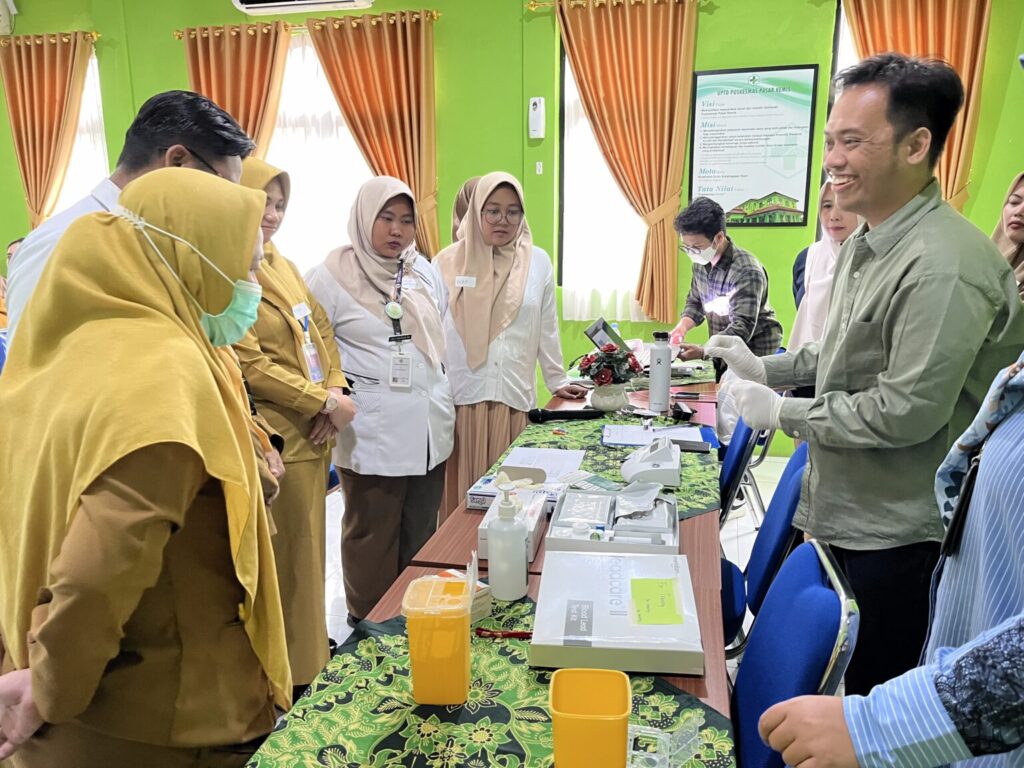
Across Indonesia, a new coalition is putting lifesaving tools directly into the hands of local health workers to confront one of the country’s most overlooked threats: childhood lead poisoning. Through a pilot program in six provinces, community health center staff are being trained to spot exposure risks, communicate with families and use portable blood lead analyzers to test children on-site, bringing science and surveillance into the heart of communities. This grassroots effort is building the foundation for a national response and giving communities the knowledge and power they need to safeguard children’s health and futures.
Community Surveillance Data on Noncommunicable Diseases Reveal Urgent Need for Action in Lao PDR
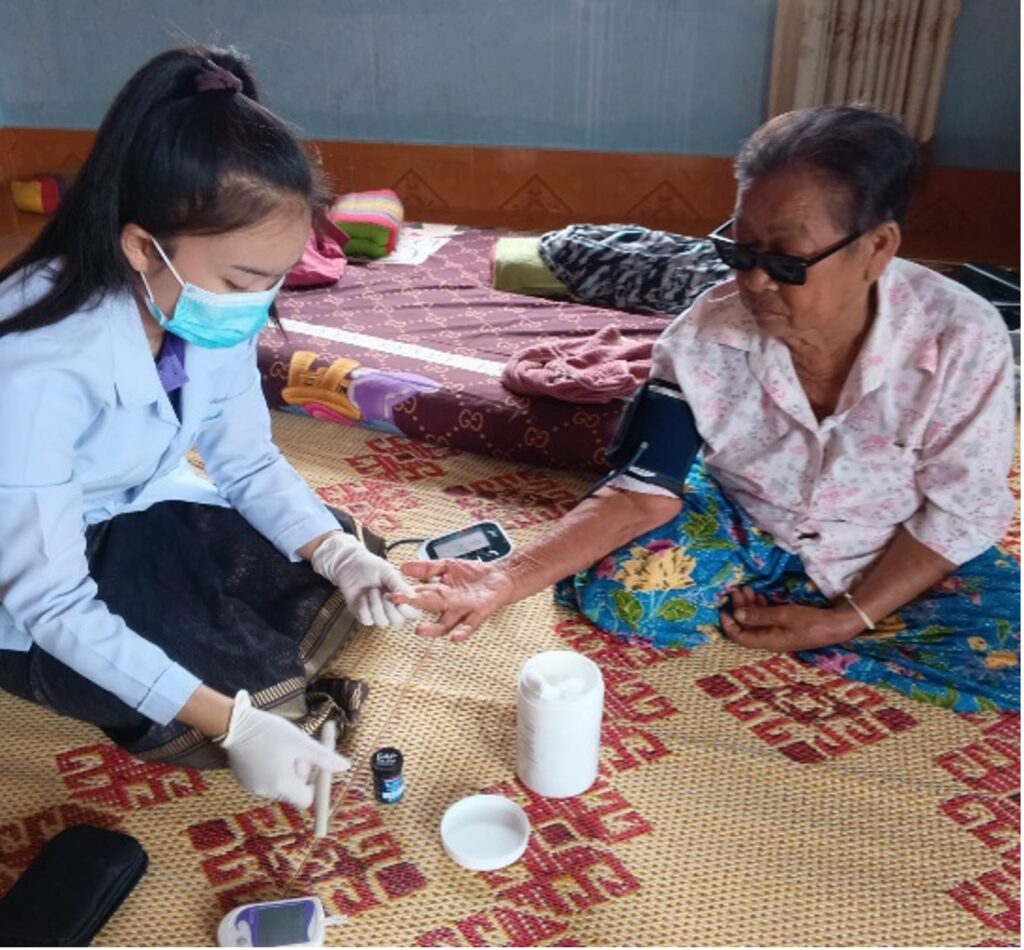
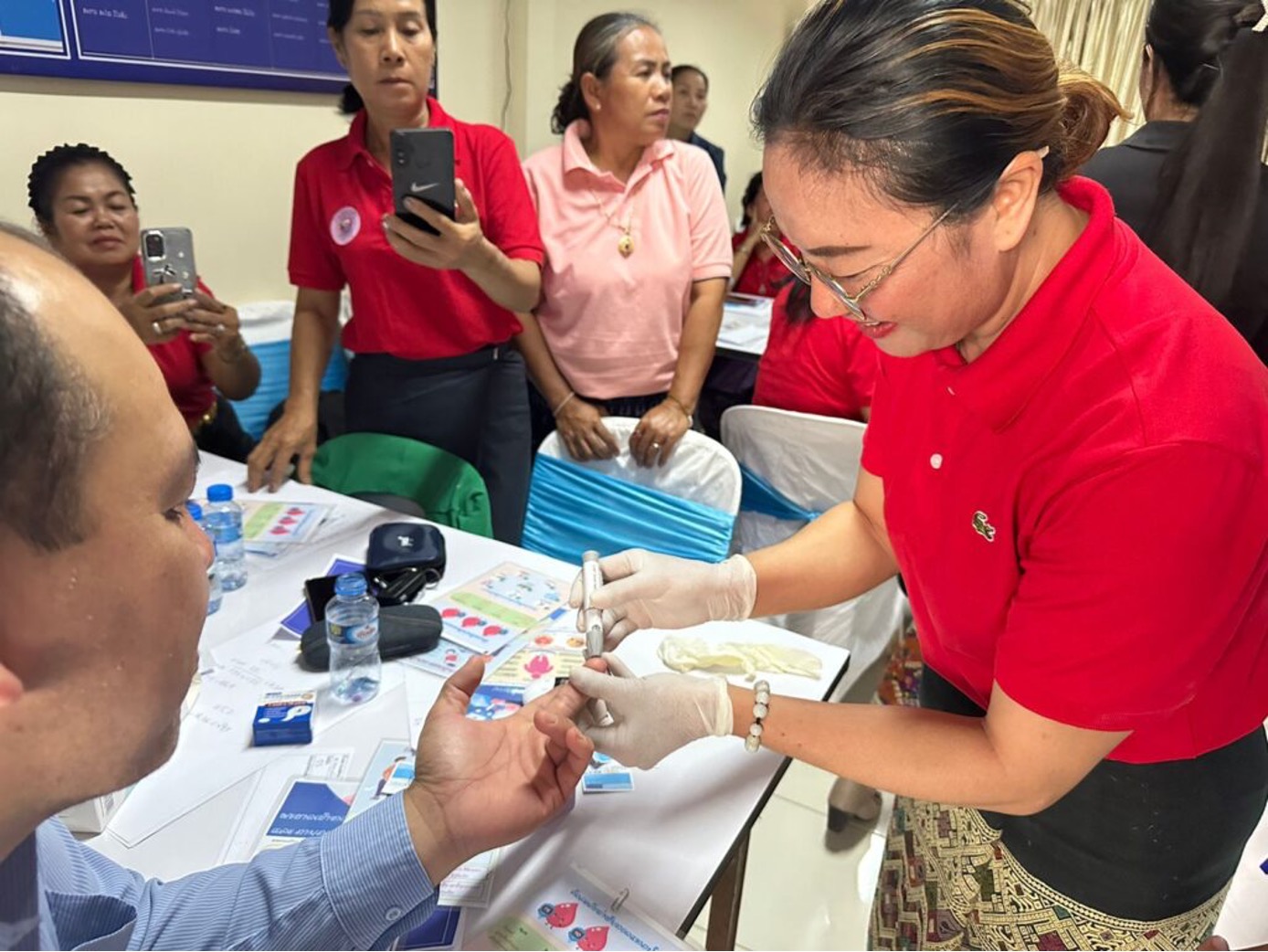
In Lao PDR, a lack of accessible screening services means many people are living with undiagnosed hypertension, diabetes and other noncommunicable diseases. Through an 18-month project powered by Sanofi’s Global Health Unit, Vital Strategies and national partners brought proactive NCD detection directly into communities, training frontline health workers, conducting mass screenings in Vientiane Capital, and engaging the public through widespread outreach. Mobile clinic teams uncovered high rates of undiagnosed disease and significant barriers to care, underscoring the urgent need for stronger systems, sustained workforce training and better follow-up. The initiative has laid essential groundwork for a more responsive NCD system and empowered local champions to continue driving progress.
How Cambodia Is Joining Forces to End Gender-Based Violence

Cambodia is expanding One-Stop Service Units—hospital-based centers that provide free, confidential health, legal and social services for survivors of gender-based violence—thanks to a data-driven collaboration between the Ministry of Women’s Affairs, Ministry of Health and the Bloomberg Philanthropies Data for Health Initiative. Through the Data to Policy Program, officials identified service gaps, developed national guidelines and set a plan to scale these units from seven provinces to all 25, expanding timely, coordinated care for survivors. This joint effort reflects Cambodia’s commitment to gender equity and a more responsive health system grounded in evidence and partnership.
Understanding How Motorcyclists Think and Act to Help Make Riding Safer

Motorcyclists account for nearly a third of global road traffic deaths, yet their growing numbers highlight the need for more effective safety strategies. To better understand why riders take risks, Vital Strategies partnered with governments and research agencies in Argentina, Colombia and Vietnam to conduct formative studies with nearly 700 motorcyclists. The findings reveal that while riders recognize the dangers, behaviors like speeding, inconsistent helmet use and risky shortcuts are shaped by overconfidence, social norms, convenience and gaps in enforcement. These behavioral insights are now helping inform safer infrastructure, stronger traffic laws and more effective, trust-building media campaigns—critical tools for reducing preventable crashes and protecting the most vulnerable road users.
Counting Every Birth and Death by 2030: Inside a Landmark Commitment in the Asia and Pacific Region
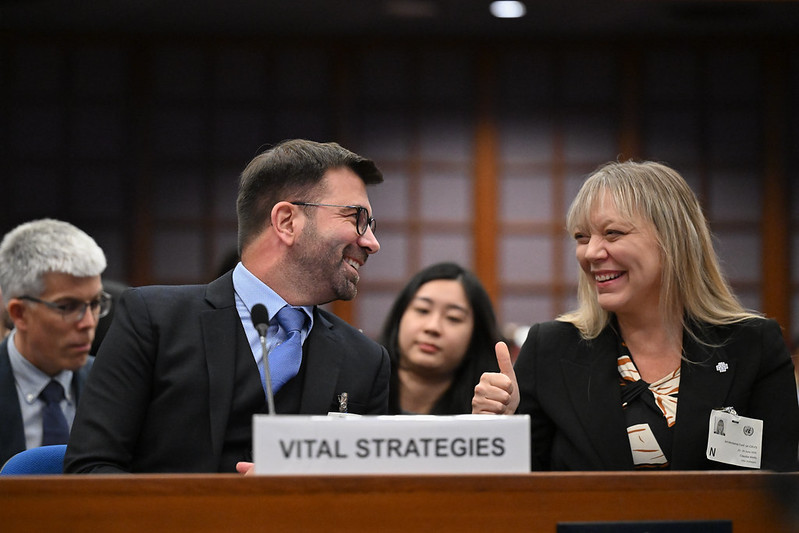
Governments across Asia and the Pacific renewed their commitment to ensuring that every birth and death is registered by 2030, a critical goal highlighted at the Third Ministerial Conference on CRVS, co-organized by Vital Strategies. Despite major progress under the CRVS Decade, millions of people still lack legal identity or go uncounted in death, leaving gaps in rights, services and public health data. At the U.N. convening in Bangkok, Vital Strategies led high-level discussions on financing, digital transformation, and the integration of CRVS with digital public infrastructure, while also hosting workshops and trainings for government leaders and journalists. The landmark pledge to extend the CRVS Decade reflects growing regional momentum toward inclusive, resilient, digital CRVS systems that enable everyone to be counted and protected.
60+ Cities Meet to Transform Local Ideas into Public Health Action

At the 2025 Partnership for Healthy Cities Summit in Paris, more than 220 representatives—including 12 mayors—from 61 cities came together to share solutions for preventing noncommunicable diseases and injuries, which account for over 80% of global deaths. Supported by Bloomberg Philanthropies, WHO and Vital Strategies, the 74-city network showcased how urban leaders are advancing healthier food environments, cleaner air and safer streets through locally driven, evidence-based policies. The Summit honored standout achievements in Greater Manchester, Fortaleza and Córdoba, demonstrating the power of city-level leadership and global collaboration to save lives and build more resilient, equitable communities.
Reimagining Language Part 1 and Part 2: Public Health and Development Terms to Ditch in 2025

Words shape how we understand health, equity and the people we serve. Vital Strategies’ Reimagining Language series highlights how commonly used public health terms can unintentionally stigmatize or mislead. Drawing from our Inclusive Language in Health Guide, this two part blog series explains why shifts such as using person-first language, avoiding labels like “vulnerable” or “disadvantaged,” replacing “accident” with “crash,” and choosing more accurate terms in discussions of substance use, alcohol use and community-level inequities can foster fairness and clarity. Together, Part 1 and Part 2 call for more precise, inclusive communication, recognizing that language evolves and that thoughtful word choice is essential to advancing equity in public health.