
Billions of impressions tied to FIFA, Carnival and influencer content highlight largely unregulated exposure
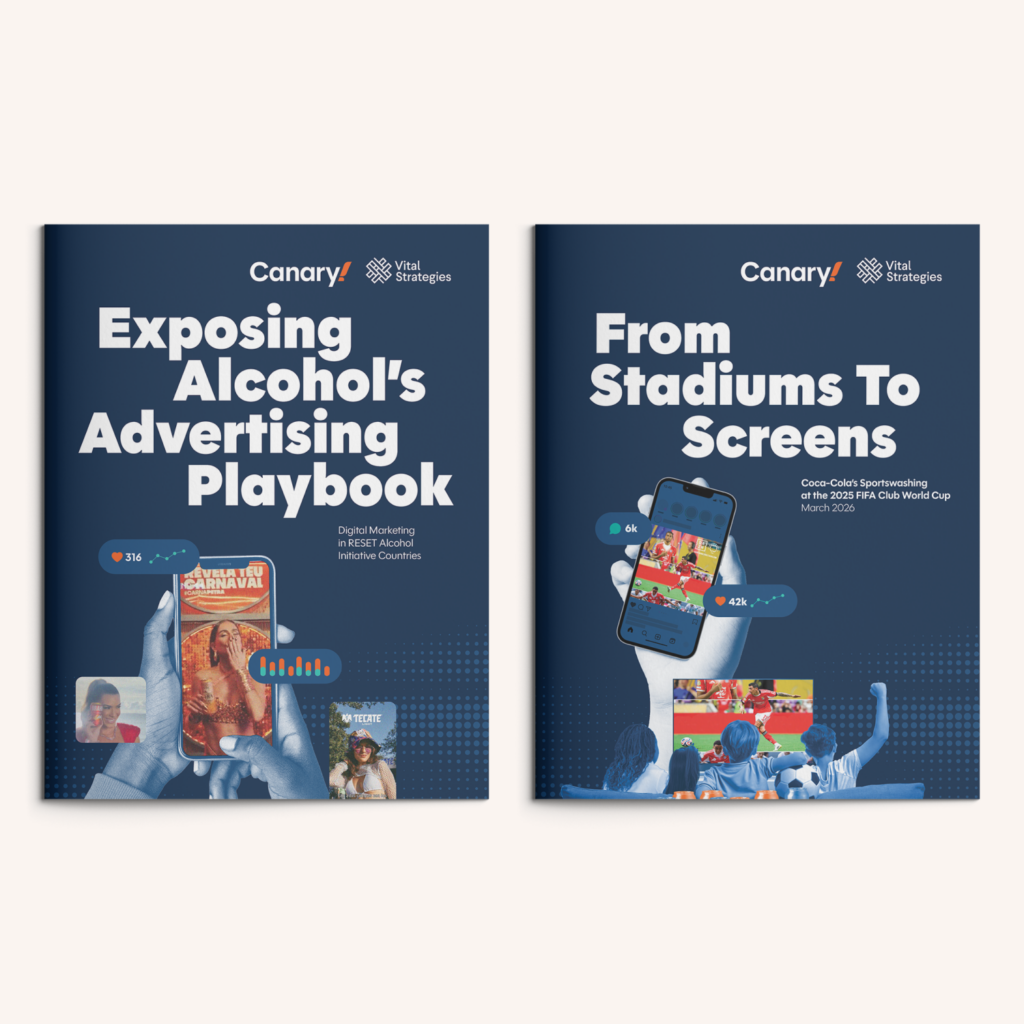
March 25, 2026 (NEW YORK)—Soda and alcohol marketing is flooding social media at a scale that outpaces regulation—embedding brands into sports highlights, influencer content and viral moments that generate billions of impressions, according to two new AI-driven analyses from Vital Strategies’ Canary platform.
The findings show this marketing is no longer confined to ads—it is woven directly into the content people watch and share every day, creating a constant stream of exposure that largely escapes oversight.
“This isn’t accidental—it’s engineered,” said Sandra Mullin, Senior Vice President, Policy Advocacy and Communication at Vital Strategies. “Companies are using culture, entertainment and social media to make harmful products—like alcohol, tobacco and sugary drinks—seem normal and unavoidable. And this undermines critically important policies to reduce consumption, like curbing marketing to kids and taxing these products. Governments cannot rely on social media to self-regulate: We need to implement proven policies that protect health.”
Billions of Impressions, Built Into Culture
Using Canary’s digital monitoring capabilities, researchers tracked how companies integrate brand promotion into everyday online experiences, from sports highlights and broadcast clips to festivals and interactive media.
Key Findings:
- During the 2025 FIFA Club World Cup (June 14-July 13), Coca-Cola branding appeared in 795 social media posts, generating an estimated 3.6 billion impressions globally.
- In March 2025 alone, digital alcohol marketing appeared in nearly 4,000 posts generating close to 2 billion impressions.
Much of this exposure is embedded within content itself:
- 79% of Coca-Cola-linked posts came from sports broadcasters, with branding visible in match highlights, celebrations and interviews, including those featuring child athletes such as the Powerade Ball Crew.
- Alcohol brands amplified reach through influencers and major cultural moments like Carnival, partnering with celebrities such as Luísa Sonza and Anitta to reach tens of millions of followers via their social channels.
Targeting Youth and Women
The reports show how marketing increasingly aligns with youth culture and lifestyle messaging:
- 63% of posts analyzed linked Coca-Cola branding to team pride, celebration and viral sports moments.
- Alcohol brands promoted sweetened and flavored drinks through memes, festivals and “tag-a-friend” campaigns popular with younger audiences.
At the same time, companies are expanding efforts to reach women:
- Campaigns frame alcohol as a symbol of independence, relaxation and social connection, encouraging women to “be yourself” or mingle with friends. Ads in South Africa from beer brand Windhoek depict women “unwinding” with the product after a long workday.
A Digital Environment That’s Hard to Escape
Report findings align with other recent evidence showing that high-volume digital environments can shift widespread patterns of behavior and contribute to population-level harms, particularly among young people.
Research shows that such marketing influences consumption. Children exposed to high volumes of digital marketing for unhealthy food and sweetened beverages may develop unhealthy habits for life. Alcohol advertising is linked to earlier initiation, binge drinking and increased consumption.
“Digital platforms are increasingly being used to market harmful products such as alcohol and foods high in sugar, salt and fat—promotion that is linked with higher consumption and places enormous pressure on public health systems,” said Jacqui Drope, Managing Director, RESET Alcohol Policy Initiative, Vital Strategies. “Health taxes offer a proven solution, reducing demand and generating revenue that can be used to offset the substantial societal costs of these products, making them among the most effective and evidence-based policy tools available.”
“One moment in a stadium can become millions of online impressions,” said Nandita Murukutla, Vice President, Behavioral Insights and Evaluation, Vital Strategies, and Canary lead. “That’s how today’s marketing machines work: amplifying exposure across digital platforms where young people are constantly engaged. This isn’t passive advertising; it shapes behavior. Governments must respond with urgency.”
Researchers recommend governments:
- Implement Comprehensive Marketing Policies: Establish rigorous standards for alcohol and beverage marketing that span both digital and physical environments, specifically targeting the youth-centered spaces where exposure is highest.
- End the Sports-Sponsorship “Health Halo” Effect: Ban the association of harmful industries with sports and youth-focused events. Work with sports governing bodies to protect the health of their audiences.
- Implement Health Taxes: Implement and increase taxes on alcohol, tobacco and sweetened beverages. These are proven tools to reduce consumption and fund the public health response to the noncommunicable disease crisis
The Canary system was originally developed to track the tobacco industry’s move into digital spaces. These two reports highlight Canary’s additional monitoring of alcohol and soda marketing, revealing a playbook designed to make harmful products inescapable online.
Canary reports released today:
About Canary
Canary uses expert-led, AI-powered scraping and analysis to map the digital forces that influence global health. Originally designed to track the promotion of harmful products, Canary provides the data intelligence needed to navigate the digital environments where modern health decisions are made—so that public health leaders can react strategically to new trends and threats. For more information on our methodology, visit https://alertsbycanary.org/technical-appendix.
About Vital Strategies
Vital Strategies believes every person should be protected by an equitable and effective public health system. We partner with governments, communities, and organizations around the world to reimagine public health so that health is supported in all the places we live, work, and play. The result is millions of people living longer, healthier lives. Learn more at vitalstrategies.org or follow us on Linkedin.
Select Imagery From Canary Reports
Memes
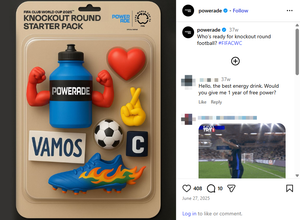
Source: Powerade via Instagram
Cartoons

Source: Red Horse Beer on Facebook
Direct Youth Engagement
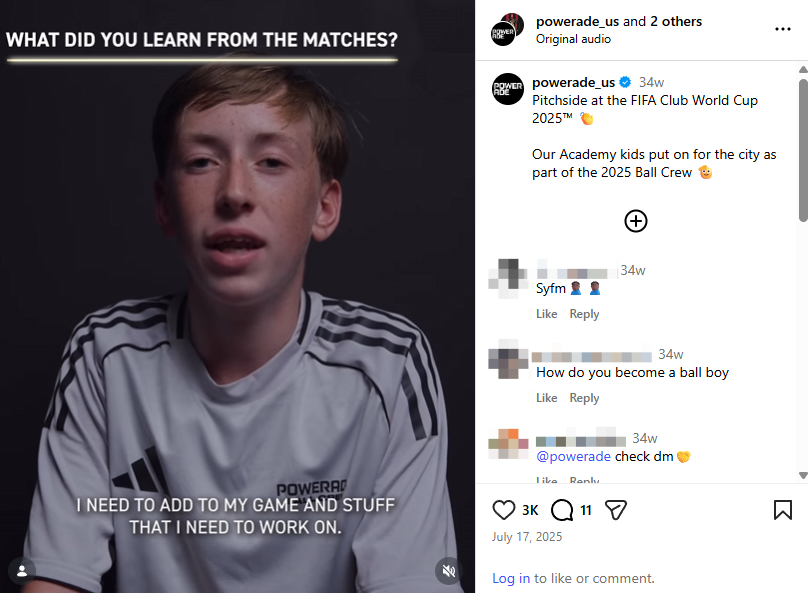
Source: Powerade and Powerade_us via Instagram
Music Festivals
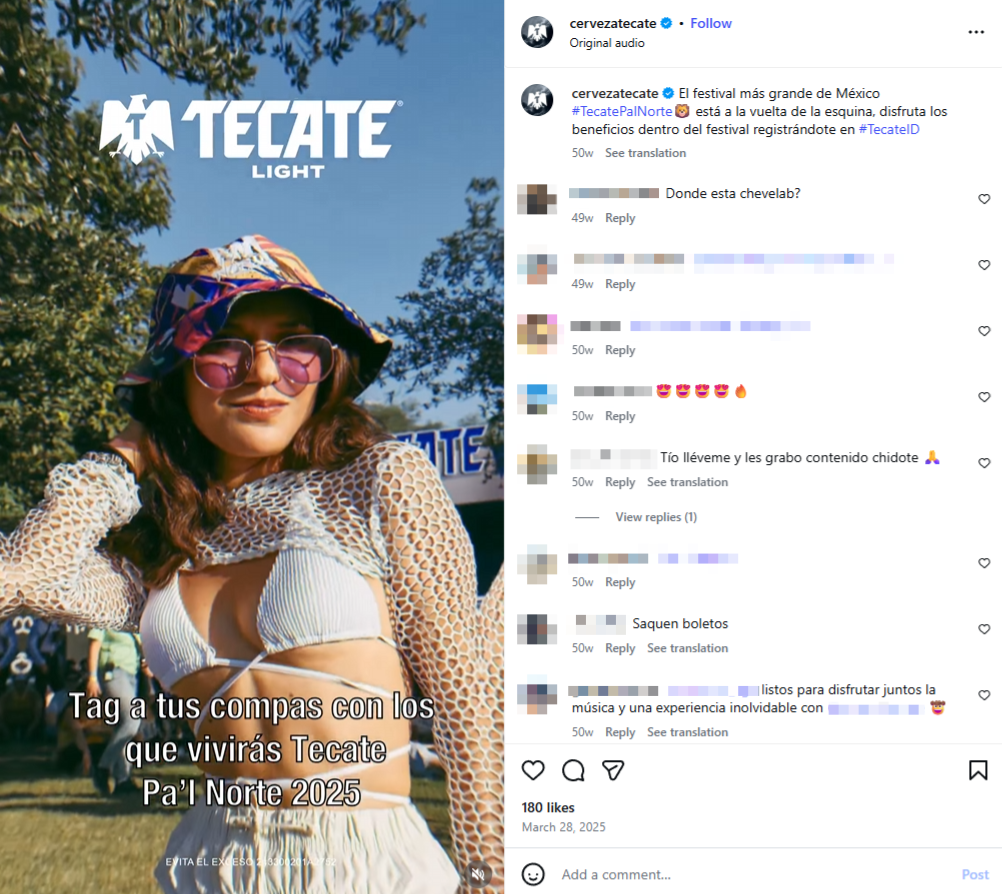
Source: @cervezatecate on Instagram
Empowerment and Identity Appeals
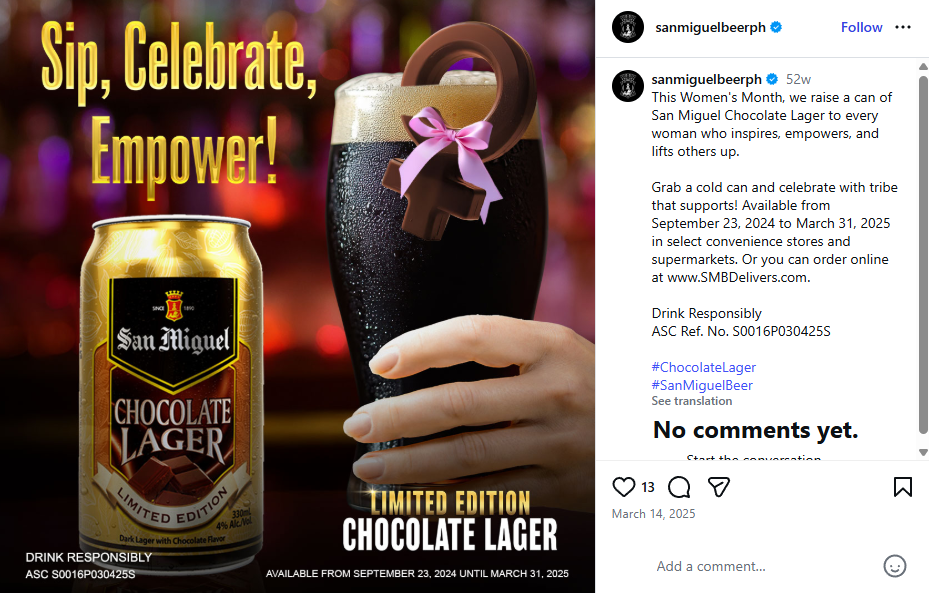
Source: @sanmiguelbeerph on Instagram