
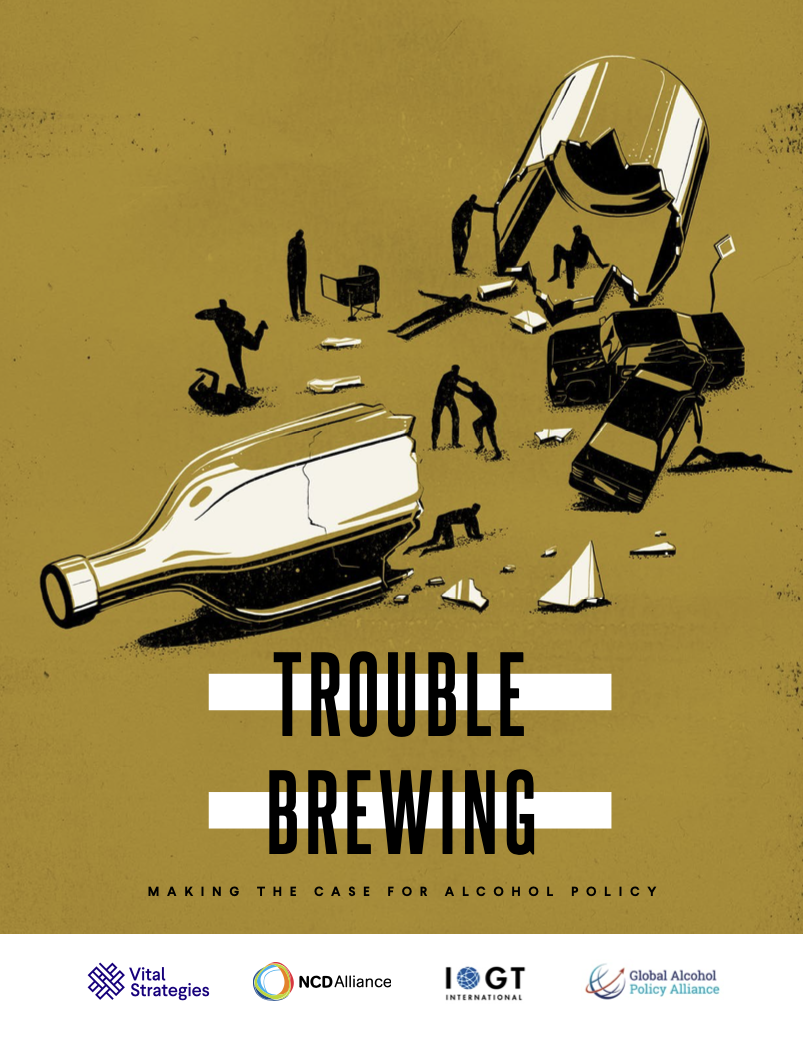
The World Health Organization (WHO) estimates that globally, approximately three million people die each year as a result of alcohol consumption.
More than half of these deaths are from noncommunicable diseases (NCDs) such as cancer and heart disease. Many millions more suffer as a consequence of their own or someone else`s alcohol use.
Alcohol is also a cause of mental disorders, and plays a role in susceptibility to diseases such as tuberculosis (TB). The economic toll amounts to hundreds of billions of dollars, and alcohol-related harm is a significant burden to health and development in low- and middle-income countries.
The report lays out the burden of the harmful use of alcohol, identifies the most important interventions governments can take, and describes the influence and threats to alcohol policy that come from the alcohol industry.