A panel of experts gathered in Adama in May 2026 to review and finalize Ethiopia’s new guideline for preventing and managing lead poisoning, marking an important first step as the country advances its efforts toward a lead-free future.
The Ethiopian Ministry of Health and Vital Strategies co-hosted the workshop, convening representatives from the Environmental Health Association, the Ethiopian Public Health Institute, the Environmental Protection Authority, universities and other key institutions. The newly drafted guideline outlines the major sources, health and economic impacts, prevention strategies, and management mechanisms for lead poisoning and hazardous chemicals. Beyond identifying risks, the document highlights existing legal frameworks and provides an implementation guide to coordinate future interventions.
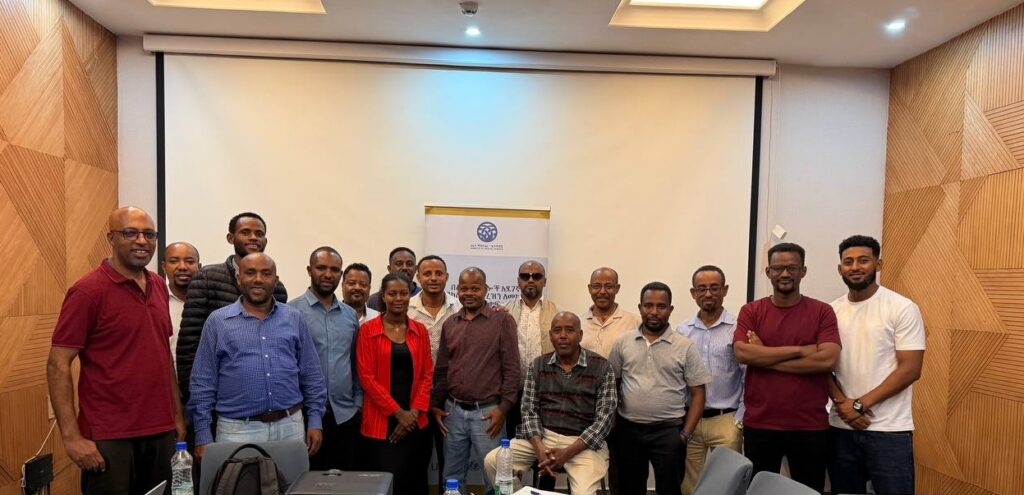
“The aim of the guideline is for it to be used as a reference and source of critical information for key players to reduce human health and environmental risks, and economic impacts of lead and other hazardous chemicals due to improper handling and disposal,” said Israel Ataro, the lead executive officer of the ministry’s community engagement and primary healthcare office. Ataro also emphasized the importance of ensuring the document remains comprehensive, particularly in addressing the clinical and environmental management aspects of exposure.
The Silent Crisis Facing Ethiopia’s Children
These efforts are underscored by insights from the 2023 Global Burden of Disease estimates, which reveal that lead poisoning is a severe, yet often overlooked, public health threat across the nation. Around 36% of Ethiopian children—roughly one in three—have blood lead levels above the World Health Organization limit of 5 µg/dL. This widespread exposure carries a heavy cognitive cost, resulting in an estimated 5.8-point intelligence quotient (IQ) loss per child. The physical and economic toll is equally severe: Each year, lead poisoning contributes to more than 13,000 cardiovascular-related deaths in the country and drains over US$6 million from the Ethiopian economy.
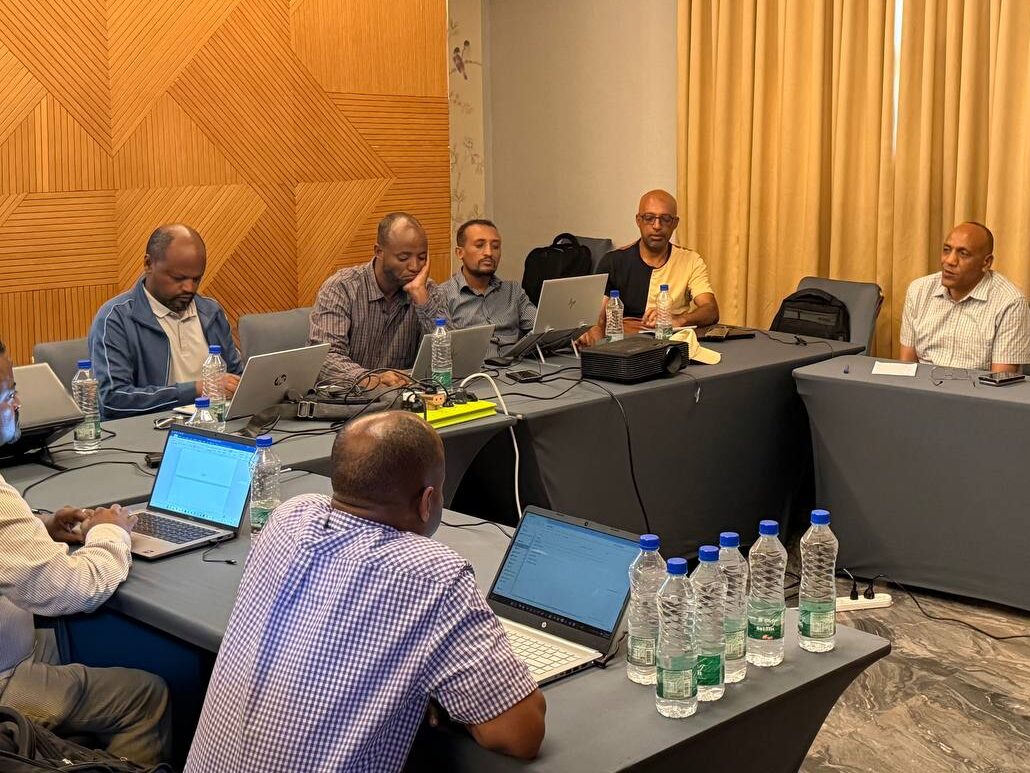
Despite these numbers, lead poisoning has historically been among the least prioritized and funded public health challenges. However, the Ministry of Health’s commitment to changing this has been steadily growing. Through annual lead poisoning prevention weeks, localized health promotion activities, and baseline exposure assessments, the ministry is actively laying the groundwork for broader systemic change.
A Strategic Partnership for Public Health
To accelerate these efforts, Vital Strategies is supporting the ministry to design and implement a comprehensive public health strategy aimed at achieving Ethiopia’s goals for a lead-poisoning-free future. Vital’s targeted technical support focuses on strengthening the public health system’s capacity to properly identify and treat lead poisoning and building robust public health surveillance systems to track exposure. The partnership is also working to investigate and pinpoint the primary environmental and commercial sources of contamination, while developing a centralized data platform so that future policy decisions are driven by rigorous and up-to-date evidence.
The effort to curb lead exposure requires a multi-sectoral approach, a reality echoed by experts at the workshop. Ashrafedin Youya, a senior expert at the MOH, warned that lead is quietly pervasive in daily life, noting that many Ethiopians use cookware that might have high levels of lead, while some cosmetics and toys used by children also contain lead.
Having a formalized framework also empowers those on the frontlines of healthcare. Ayele Tiyou, Vital’s Lead Poisoning Surveillance Coordinator based at the MOH, explained that the new guideline will support healthcare providers in delivering targeted prevention activities and improving the early identification of exposed people. He added that Ethiopia’s guideline could also contribute to global public health efforts by serving as a practical model for other nations.
Looking Ahead
The guideline is expected to be finalized in the coming months. Once complete, it will serve as an operational roadmap to streamline efforts across government agencies, nongovernmental organizations, community leaders, researchers and health workers. To kickstart the nationwide rollout, the Ministry of Health has planned a widespread dissemination workshop so that these new strategies and implementation tools reach the stakeholders who need them most.