Cancer Registry Program The Cancer Registry Program helps selected countries create and strengthen population-based cancer registries to track cancer data, allowing them to better understand which cancers are most common and respond more effectively.
Data Impact Program The Data Impact Program of the Bloomberg Philanthropies Data for Health Initiative collaborates with governments to expand the use of data to enhance public health policymaking.
Publications Public Opinion Poll Results on Alcohol Consumption in Sri Lanka To support the development of evidence-based alcohol policies in Sri Lanka, RESET Alcohol and ADIC, Sri Lanka (Alcohol and Drug Information Centre) conducted a public opinion poll to gather insights on people’s knowledge about alcohol, attitudes toward its consumption and support for policy action to reduce consumption.
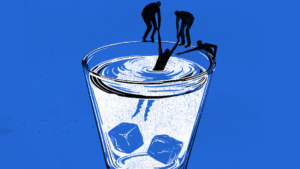
Alcohol Policy Alcohol contributes to millions of deaths each year. Alcohol also has negative social and economic effects on individuals, families and communities. RESET Alcohol is a groundbreaking $15 million initiative led by Vital Strategies to reduce alcohol-related harms in hard-hit countries through policy change.
Program Overview Civil Registration and Vital Statistics Country Overview – Sri Lanka Sri Lanka has a mature and well-established, though largely paper-based, CRVS system dating back about 150 years.
Civil Registration and Vital Statistics Advances in systems thinking, demography and technology mean that for the first time, counting every human life is possible, even in remote areas.
Vital Stories New Website Shows How Health Data Can Be Turned Into Stronger Public Health Systems The website serves as an information hub about DIP – what we do, why we do it and where we do it – as well as a repository for the tools and resources that we’ve generated in the first four years of program implementation.
Press Room “It’s Time” for Governments to End TB It is entirely unacceptable that every year 1.6 million people die from a disease that we have been able to treat since the 1940s. In developed nations, tuberculosis has nearly been eradicated, but in low- and middle-income countries, TB remains the leading infectious killer.