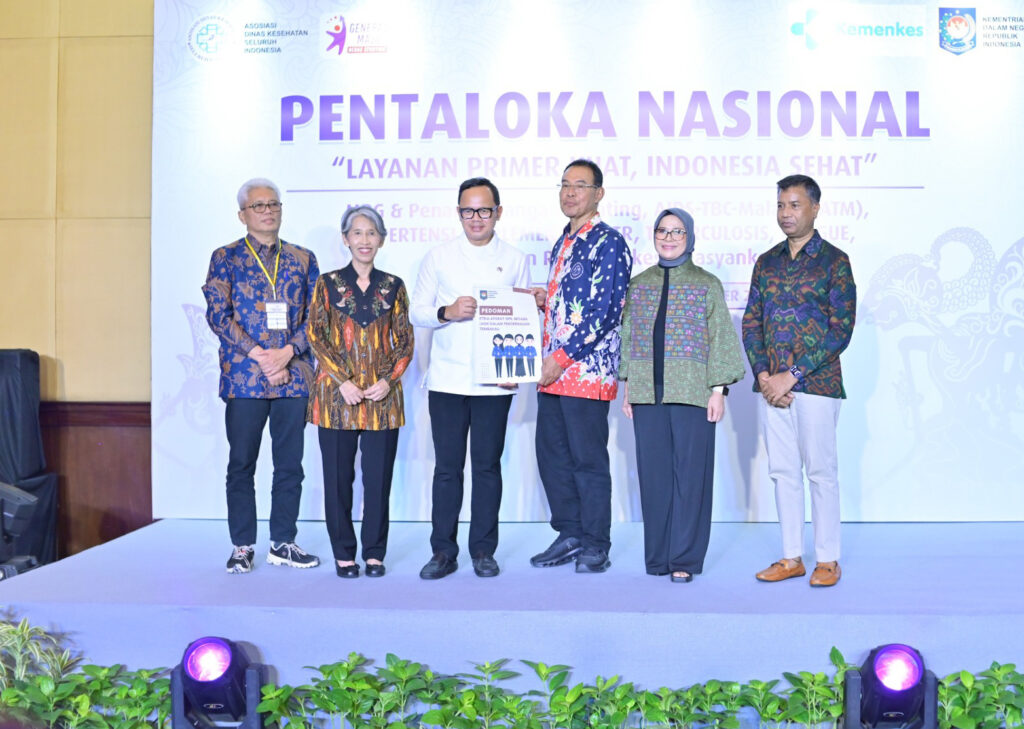
Indonesia’s Ministry of Home Affairs has launched a Code of Conduct aimed at denormalizing interactions between civil servants and the tobacco industry and preventing industry interference in tobacco control policy development and implementation. Although the Ministry of Home Affairs has jurisdiction over subnational governments, the document recommends that national level ministries, government bodies and institutions also adhere to these guidelines.
This initiative, launched at an event attended by over 700 government officials from 74 cities, is a significant step in Indonesia’s ongoing battle against tobacco use, reaffirming the government’s commitment to prioritizing public health in policymaking.
“The tobacco industry has long sought to influence public health policy through direct and indirect lobbying, marketing and misleading partnerships,” said Dr. Bima Arya Sugiarto, Vice Minister of Home Affairs, speaking at the launch event. “Effective implementation of this new Code of Conduct will ensure that tobacco control policy development and implementation at the local level remain free from any form of tobacco industry interference.”
The Code of Conduct provides clear guidelines for civil servants, emphasizing their essential role as protectors of public health. Key provisions include:
- Non-Engagement Principle: Civil servants are not allowed to engage in or build relationships with the tobacco industry that may influence the adoption and implementation of tobacco control policy.
- Prohibition on Tobacco Industry Partnerships: Any form of partnership with the tobacco industry and its agents must be prevented and avoided, including legal agreements, financial support and collaborations in policy development.
- Conflict-of-Interest Prohibition: Civil servants must avoid any conflict of interest with the tobacco industry and declare any associations or contributions from the tobacco industry.
- Ban on Gifts, Donations, Sponsorships and Denormalization of “Corporate Social Responsibility”: Government agencies and civil servants must not accept any support or funding from the tobacco industry and its agents, including support framed as “corporate social responsibility” activities.
- Transparency and Accountability: All communication with the tobacco industry must be transparent, attended by at least two officials, and well-documented.
- Monitoring and Avoiding Special Treatment: Civil servants must report any efforts to accept contributions from the tobacco industry and ensure that the industry does not receive any special treatment in taxation or incentives.
The tobacco industry has a history of attempting to bypass tobacco control policies at the subnational level by arguing that such regulations could harm local businesses and revenue. This often includes leveraging so-called corporate social responsibility activities that aim to maintain influence over public health policies, creating a misleading sense of partnership that undermines effective tobacco control.
“Protecting public health policies from tobacco industry interference is vital to saving lives and promoting good governance,” said Tara Singh Bam, Director for Tobacco Control at Vital Strategies Asia Pacific. “This Code of Conduct empowers government officials to uphold integrity, transparency and accountability in protecting children and youth from tobacco and nicotine addiction. Its effective implementation will strengthen government unity in advancing tobacco control and eliminate industry interference driven by vested commercial interests.”
Vital Strategies and its grantee All Indonesia Public Health Services Association (ADINKES)provided technical support for the Code of Conduct. “ADINKES welcomes this Code of Conduct that will help accelerate the implementation of tobacco control in central and regional governments,” said ADINKES Chairperson Dr. Muhammad Subuh.
Vital Strategies has been collaborating with partners in Indonesia since 2007 to advance tobacco control, including government entities, the Indonesia Mayor and Regent Alliance, civil society, universities, professional organizations and youth groups.
Read a summary of the code of conduct here.