At Vital Strategies, impact means turning evidence into action that improves health and advances equity. In 2025, our teams worked alongside partners around the world to strengthen public health systems, advance proven policies and support communities facing the greatest public health risks.
Our work is guided by three core pillars—Promoting Health, Preventing Harm and Protecting Communities—which together frame the impact highlights that follow.
This impact was made possible through close collaboration with governments, partners, and communities working to protect health and save lives.
As the year comes to a close, we thank you for your partnership and wish you a happy and healthy holiday season.
Promoting Health
350+ million
people reached through food policy advocacy campaigns across eight countries.

90%
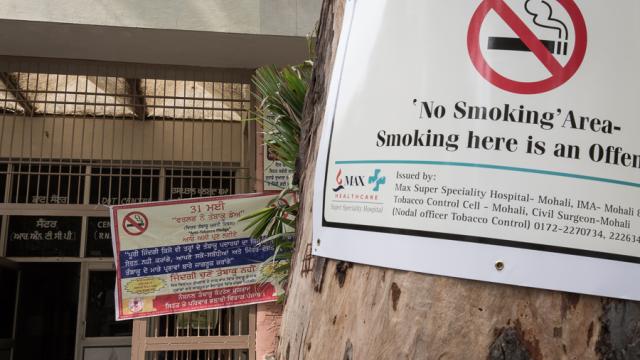
Compliance with tobacco control laws in Karachi, Pakistan increased from 60% to over 90%.
800
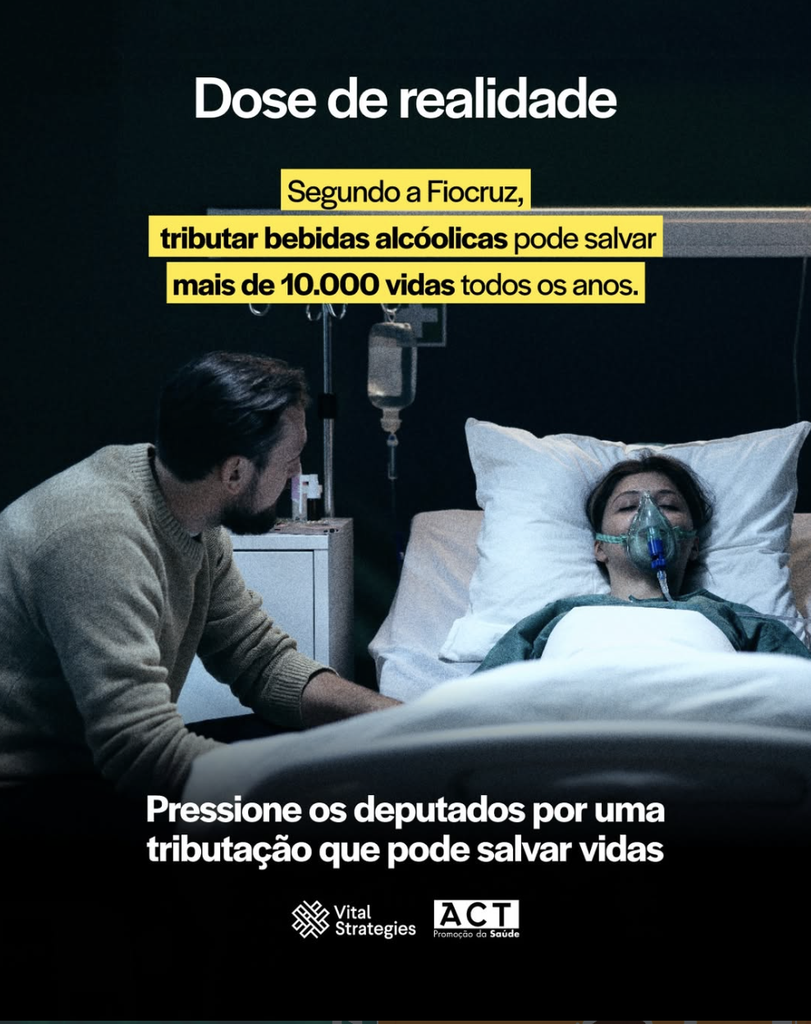
news stories generated around Brazil’s alcohol tax reform, elevating the issue among policymakers and the public.
Preventing Harm
26,000
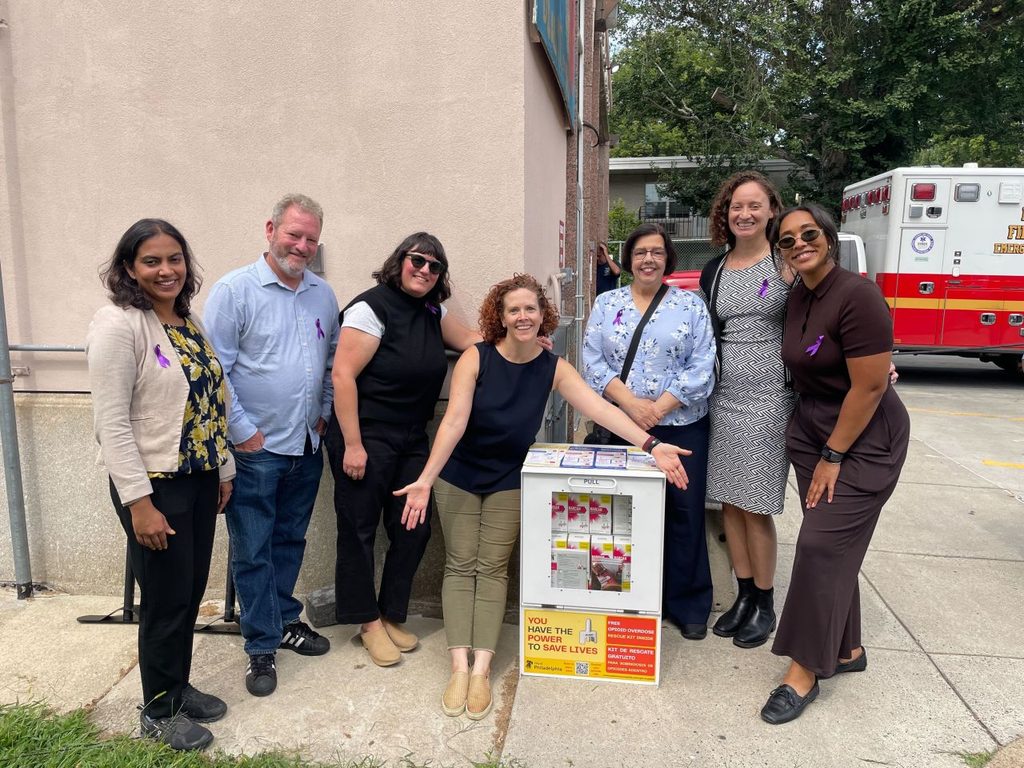
hospitalizations and emergency department visits avoided since 2018 according to the Michigan Department of Health and Human Services, thanks to harm reduction efforts such as naloxone distribution, syringe and safer use supplies access and fentanyl test strips.
90
In Recife, Brazil, AI analysis of primary care records helped identify GBV cases up to 90 days earlier, revealing the potential for early intervention in the health sector and catalyzing government action.

36
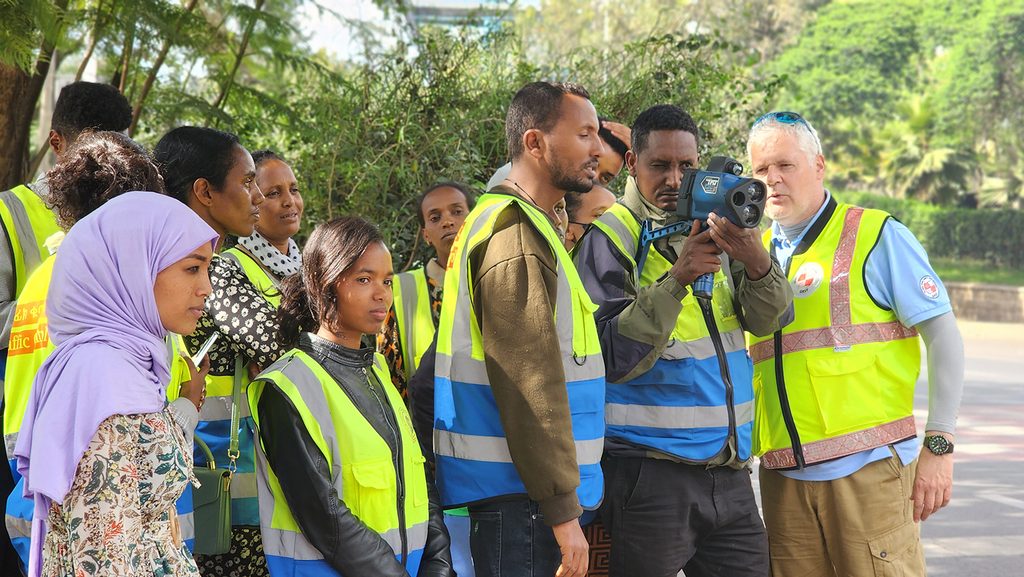
road safety reports launched, completing the first full portfolio of annual reports across all participating cities, giving cities comprehensive information to guide planning.
Protecting Communities
800+
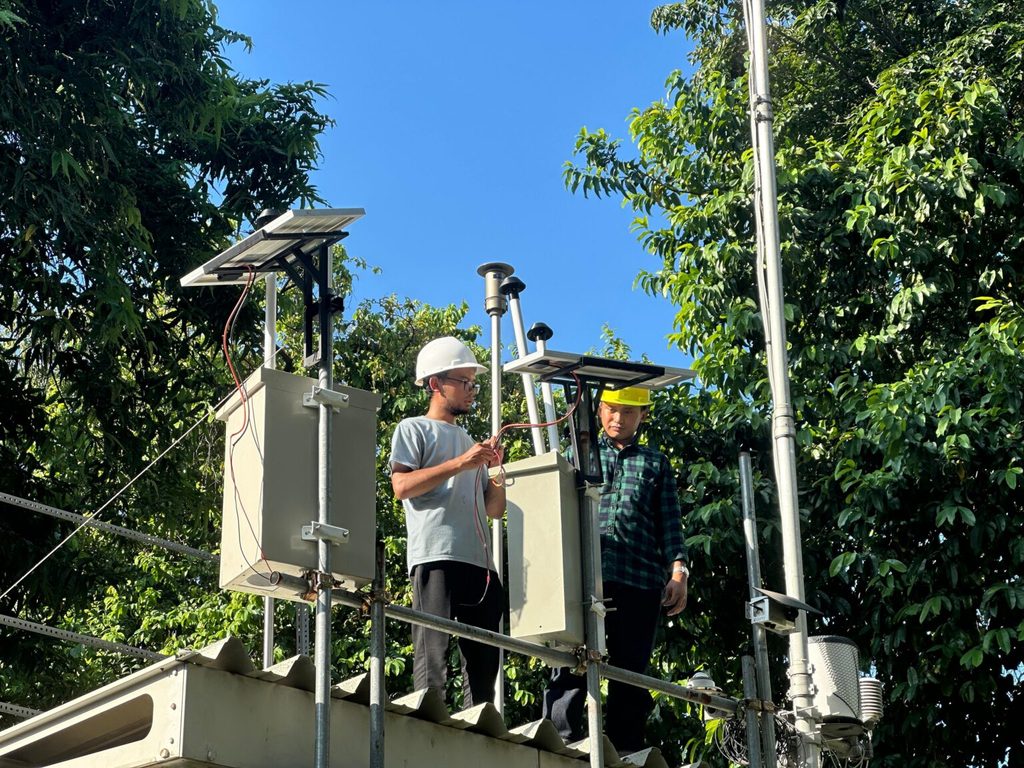
residents surveyed in Jakarta, Indonesia, helping inform the city’s clean air policy development.
1,000+
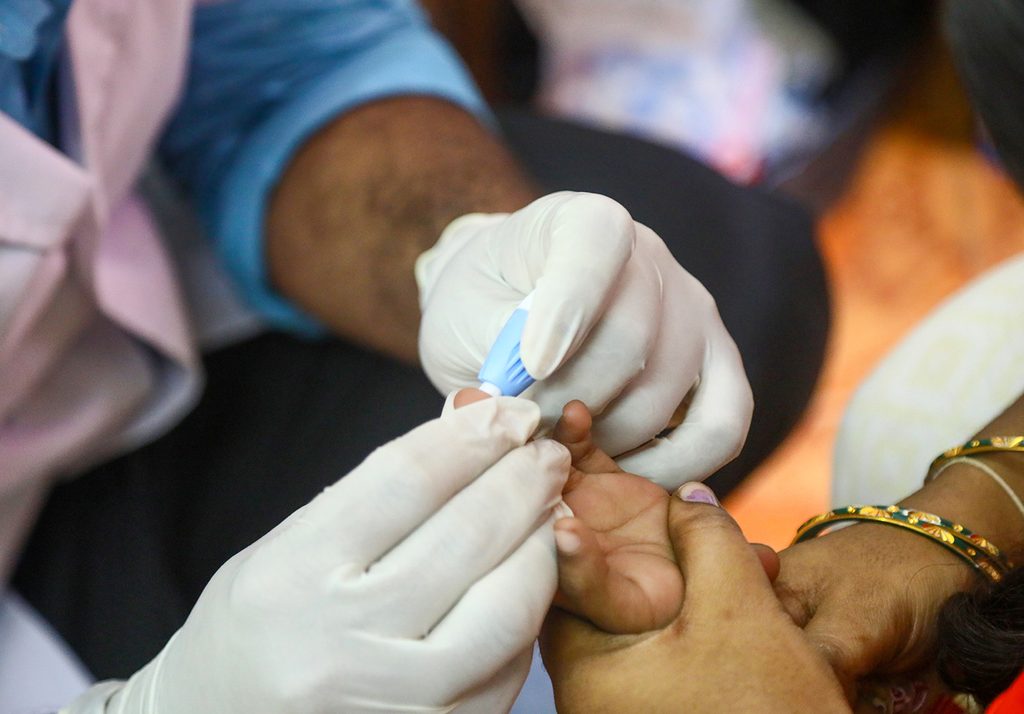
children tested for blood lead levels across three island groups in Indonesia.
PARTNERSHIP FOR HEALTHY CITIES
600+
Medellín, Colombia adopted a resolution making more than 600 schools and universities smoke-free and electronic cigarette-free.

Strengthening Data Systems
Reliable data and strong systems are the foundation of effective public health action. Across our programs, we work with governments and partners to improve data quality and strengthen analysis so that evidence can be used to inform policy and decision-making.
CIVIL REGISTRATION AND VITAL STATISTICS
12
national mortality coders from Senegal and Cameroon trained in ICD-11, marking one of the first French-language trainings in strengthening mortality data systems across the region.

56
projects funded across 32 countries to turn data into action.

2.5 million
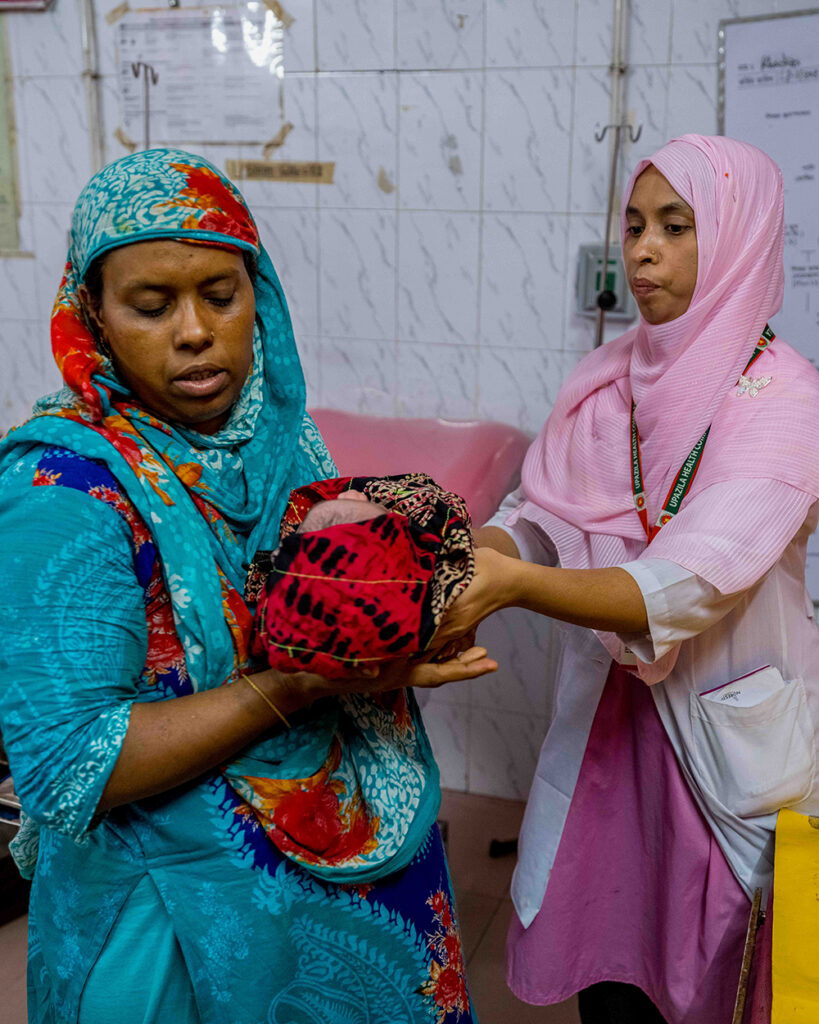
The Ministry of Health in Cambodia scaled up cervical cancer screening via visual inspection with acetic acid for 2.5 million women aged 30-49 years old in the country.

3
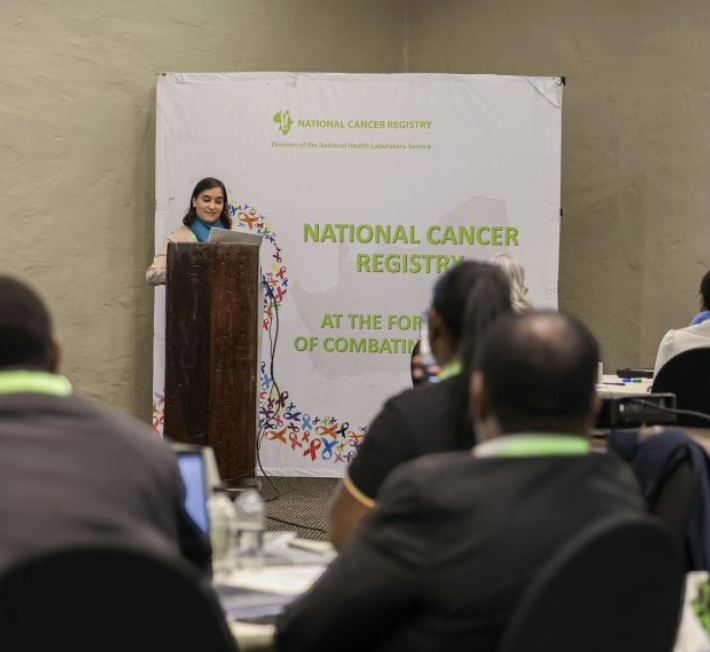
countries reached major “first-ever” milestones—Cambodia’s first population-based cancer registry incidence data, and Tanzania and Mozambique’s first national cancer registry reports.