Road Safety Surveillance
Road traffic crashes kill 1.19 million people every year. We help governments in Africa, Asia and Latin America strengthen surveillance systems because stronger data leads to smarter road safety policy.
Road safety surveillance
We help local governments in these countries conduct better road safety surveillance, and provide and analyze the data that they need to address this issue.
Each year, road traffic crashes kill 1.19 million people and injure up to 50 million more around the world. More than 90% of these deaths occur in low- and middle-income countries, and the vast majority of them are preventable.
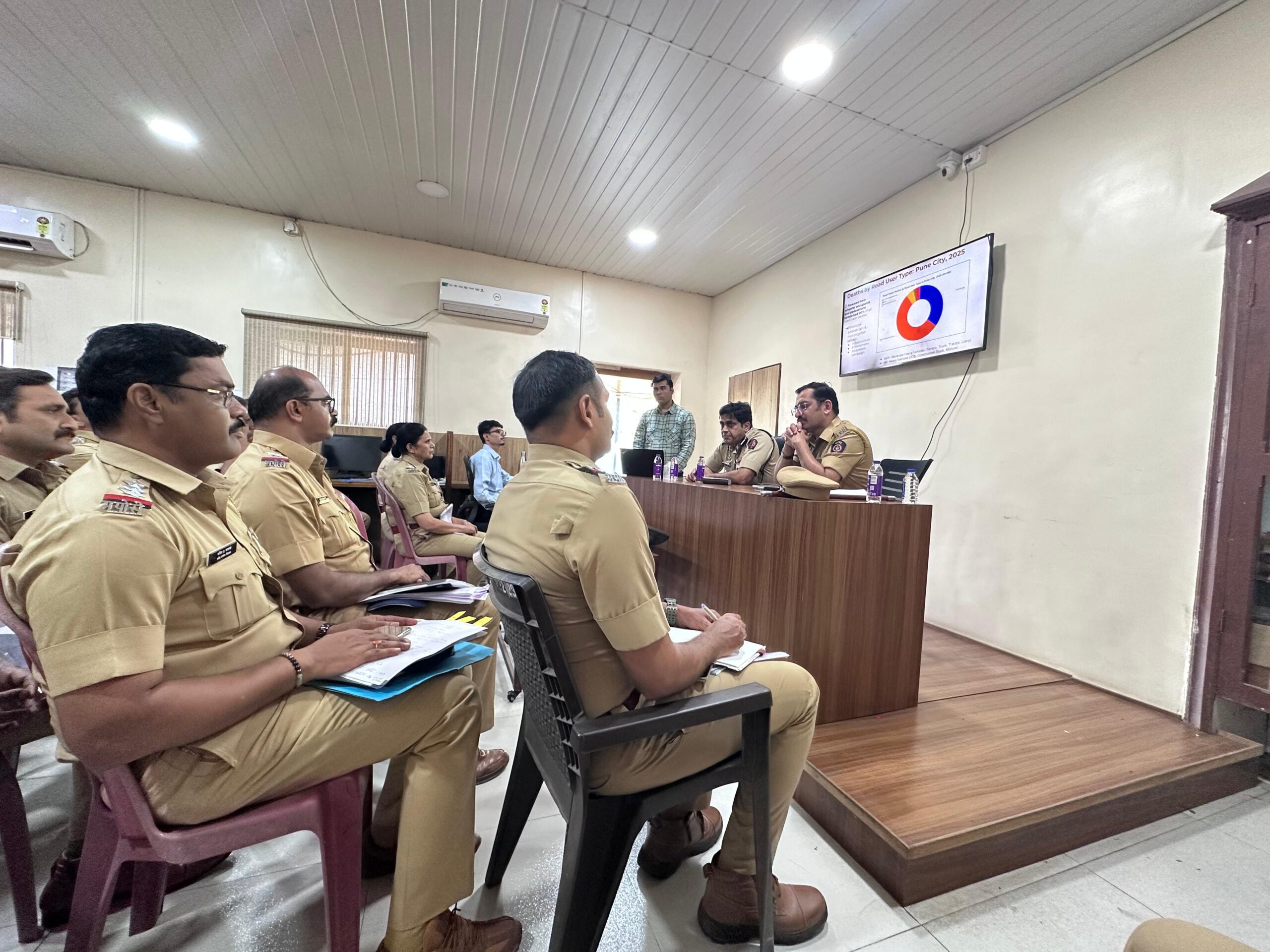
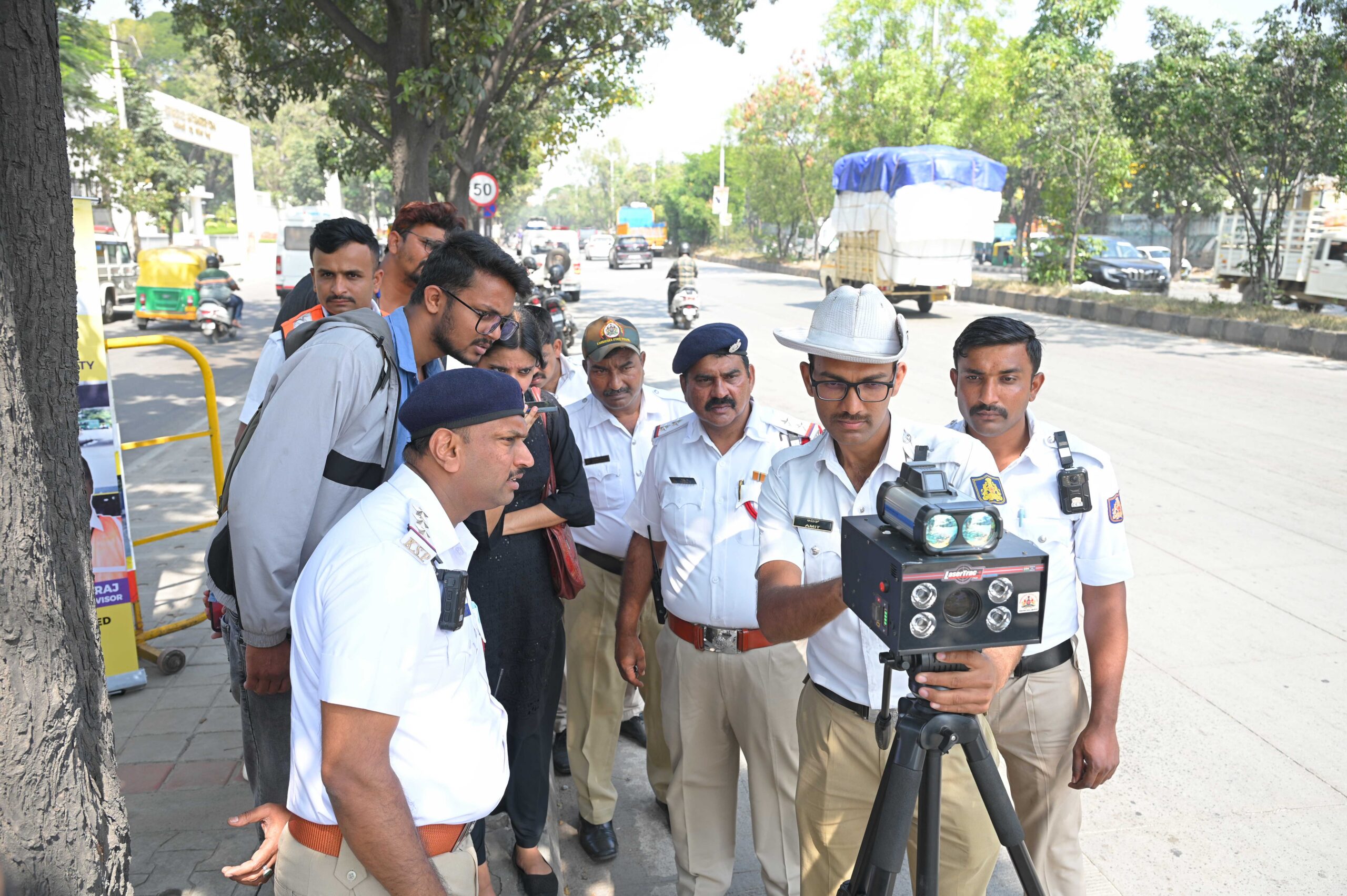
Vital Strategies’ road safety surveillance team works with national and local governments across Africa, Asia and Latin America in 13 countries and more than 30 cities to strengthen the systems that capture, link and analyze crash data. We help agencies adopt better crash-reporting practices; integrate data across police, hospital and vital-statistics sources; and use the results to guide policy.
Our technical support covers the full surveillance data cycle. We use this data in a variety of ways to help governments implement policies to improve road safety, including:
- Capacity building on core surveillance functions: data collection, data integration and consolidation, data analysis and evidence-based strategies for more effective data use.
- Public data reports, including annual comprehensive road safety reports and interactive dashboards.
- AI-assisted crash data collection, quality and linkage tools.
Every person around the world deserves access to safe streets. By employing a comprehensive approach, we are working with governments and communities to end preventable deaths on the road.
Success Stories
-
Buenos Aires, Argentina
We developed three data systems with the City of Buenos Aires: two use AI to automatically process police and hospital records, and a third links crash records across sources. Together they improved the quality, completeness, accuracy and timeliness of road traffic injury surveillance. Between 2018 and 2023, and despite growing motorcycle use across the region, the city recorded a 28.9% reduction in the number of road traffic deaths.
-
Buenos Aires, Argentina
We developed three data systems with the City of Buenos Aires: two use AI to automatically process police and hospital records, and a third links crash records across sources. Together they improved the quality, completeness, accuracy and timeliness of road traffic injury surveillance. Between 2018 and 2023, and despite growing motorcycle use across the region, the city recorded a 28.9% reduction in the number of road traffic deaths.
-
Kampala, Uganda
We supported the Kampala Capital City Authority in conducting a mortality validation study linking police records with data from three major hospitals. The study produced a local estimate of how far road crash deaths are underreported in official records. These results can help improve crash reporting and better target safety measures for pedestrians and motorcyclists, the groups most affected by road crashes.
-
Kampala, Uganda
We supported the Kampala Capital City Authority in conducting a mortality validation study linking police records with data from three major hospitals. The study produced a local estimate of how far road crash deaths are underreported in official records. These results can help improve crash reporting and better target safety measures for pedestrians and motorcyclists, the groups most affected by road crashes.
-
Chattogram, Bangladesh
In Chattogram, we have helped officials institutionalize routine crash data collection and analysis by establishing a standardized data collection process, scaling-up the use of the national system, and building capacity for improved data collection and analysis.
-
Chattogram, Bangladesh
In Chattogram, we have helped officials institutionalize routine crash data collection and analysis by establishing a standardized data collection process, scaling-up the use of the national system, and building capacity for improved data collection and analysis.