Partnership for Healthy Cities
Preventable chronic diseases, such as cancer and diabetes, and injuries kill tens of millions of people in cities every year. Vital Strategies works with more than 70 city governments worldwide to advance the policies that protect lives.
More than 80% of deaths worldwide are caused by noncommunicable diseases and injuries. Cities are responding with smoke-free laws, safer streets and healthier food environments.
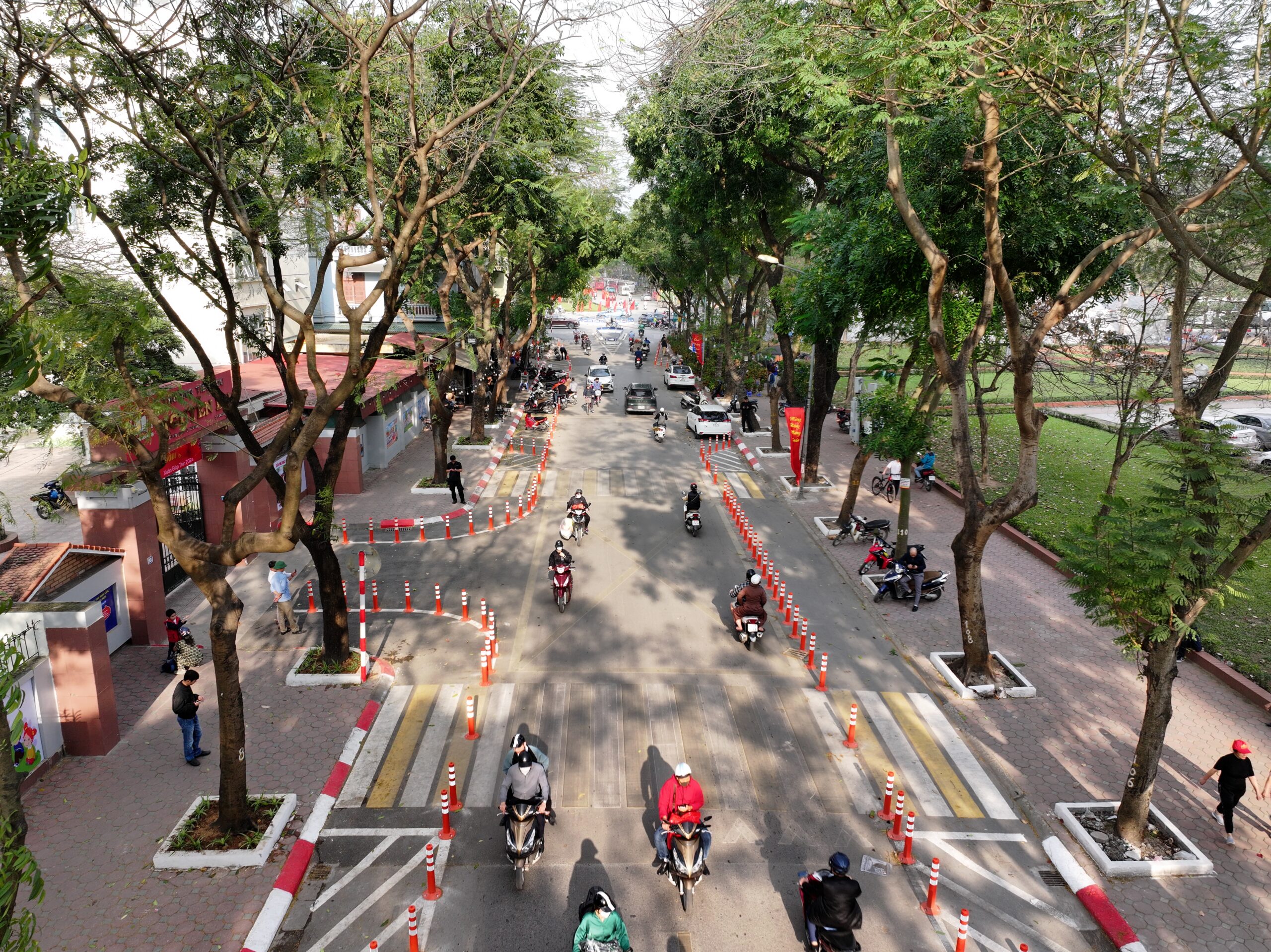
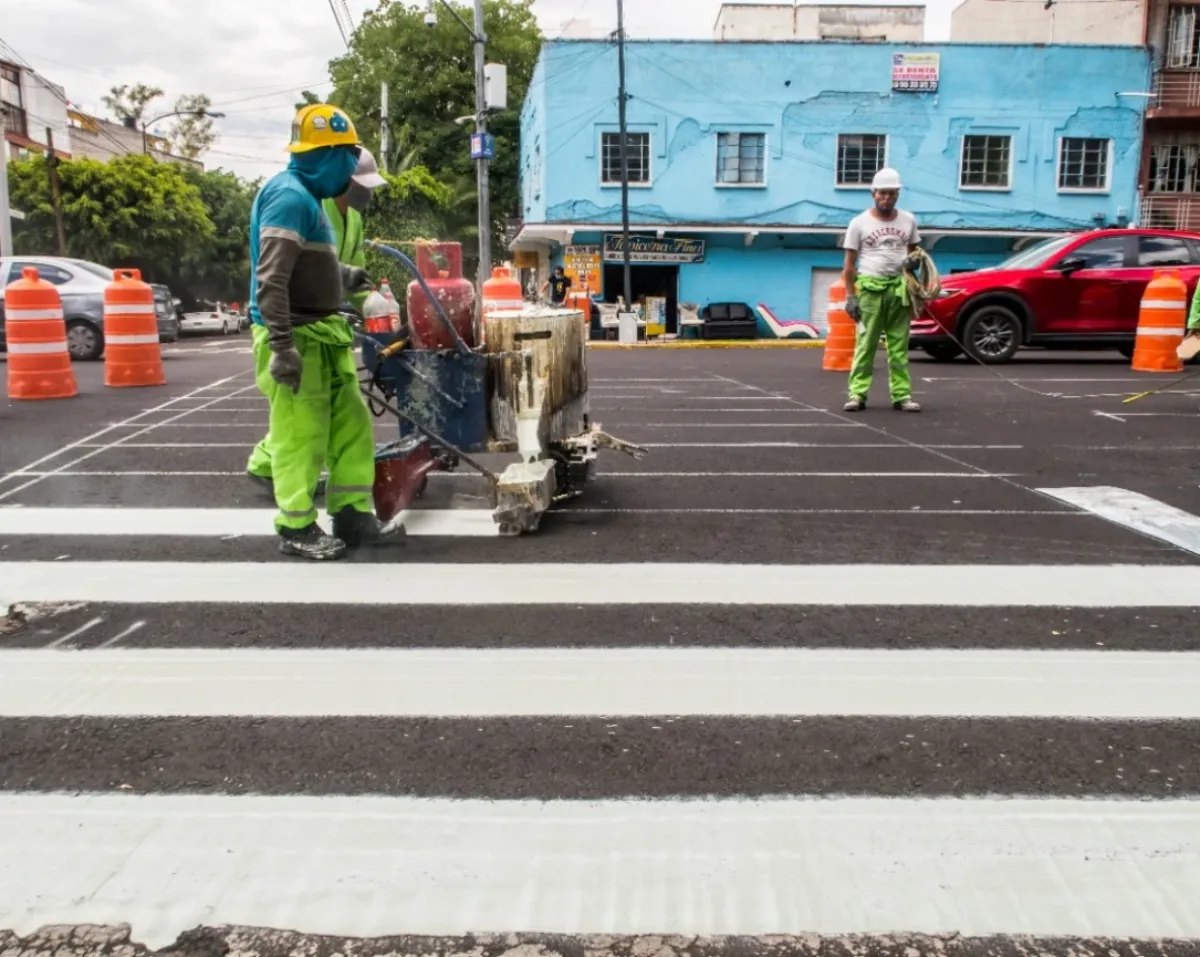
Cities in the Partnership network passed 47 lifesaving policies to date, like in Santo Domingo, where lower speed limits are helping bring down the number of people killed and injured by road traffic crashes on city streets.
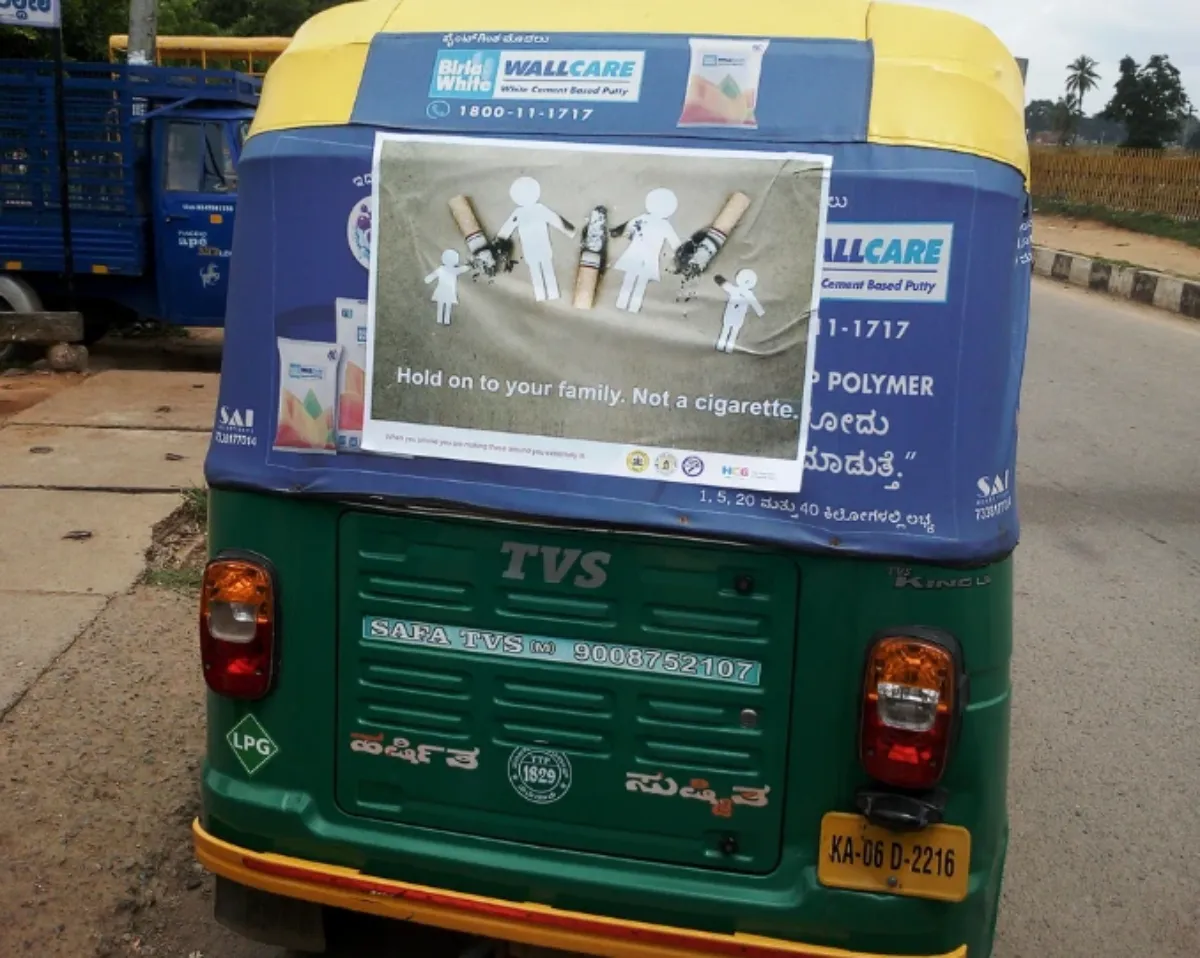
Our work reaches 320 million residents in more than 70 cities, including megacities like Bengaluru, India, where local action reduced smoking in public places by 27% in just four years.

Kathmandu, Nepal, installed a network of air quality sensors in key locations to provide more reliable data—and faster solutions—to mitigate a serious public health risk
Why It Matters
More than half of the world’s population lives in cities — where air pollution, road traffic crashes, tobacco and unhealthy food claim millions of lives each year. When cities act, they reach people where they live, work and learn. The Partnership for Healthy Cities equips urban leaders with the evidence, tools and network to advance policies that protect people’s health.

How We Work
We equip city governments with evidence and technical assistance to advance proven policies that reduce illness, injury and death.
Launched in 2017, the Partnership for Healthy Cities, supported by Bloomberg Philanthropies in partnership with the World Health Organization and Vital Strategies, is a global network of more than 70 cities whose leaders have committed to preventing noncommunicable diseases and injuries—from cancer, diabetes and heart disease to road traffic crashes and drug overdose. As implementing partner, Vital Strategies provides technical assistance, supports communications efforts and manages grant funding for city interventions. The Partnership also brings cities together to exchange strategies and build on each other’s work through events like the network’s annual Partnership for Healthy Cities Summit, or opportunities such as City Learning Visits.
Since 2021, the Policy Accelerator program in the Partnership has helped cities advance ambitious health policies, placing urban centers at the forefront of global progress.
- Córdoba, Argentina adopted a new policy to eliminate junk food and sugary drinks in schools, which directly benefited more than 15,000 children.
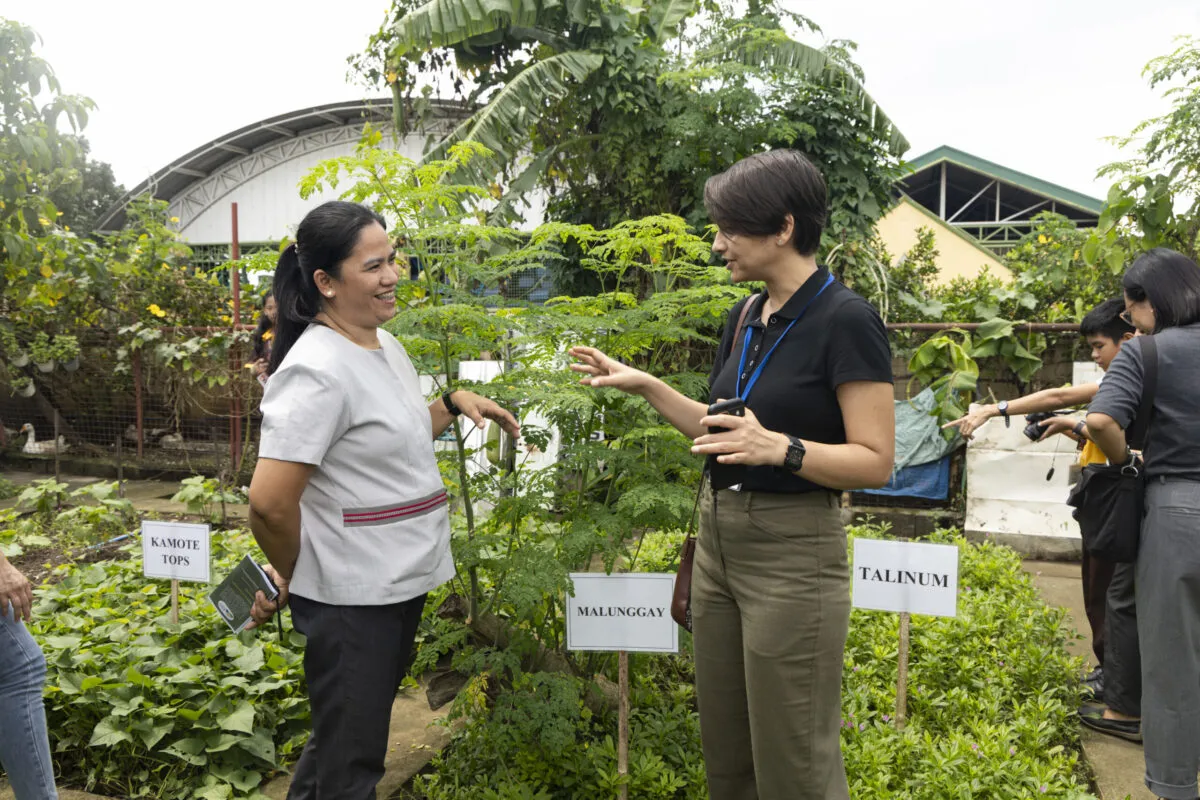
- Fortaleza, Brazil passed its first law on air quality monitoring, guaranteeing the local monitoring of air pollutants. Reliable data will inform city policies that can significantly reduce air pollution and improve health outcomes neighborhood by neighborhood.
- Bengaluru, India played a pivotal role in the adoption of a comprehensive state-wide hookah ban by the government of Karnataka, which is a state of nearly 70 million people. The ban prohibits the sale and consumption of all forms of hookah—both tobacco and flavored—in public places such as bars, lounges, cafes and hookah parlors.
- Lusaka, Zambia introduced two landmark policies to improve road safety, one requiring safe cycling and pedestrian infrastructure on all new roads and a second allocating 20% of revenue from the city’s parking fees to finance this long-term infrastructure.
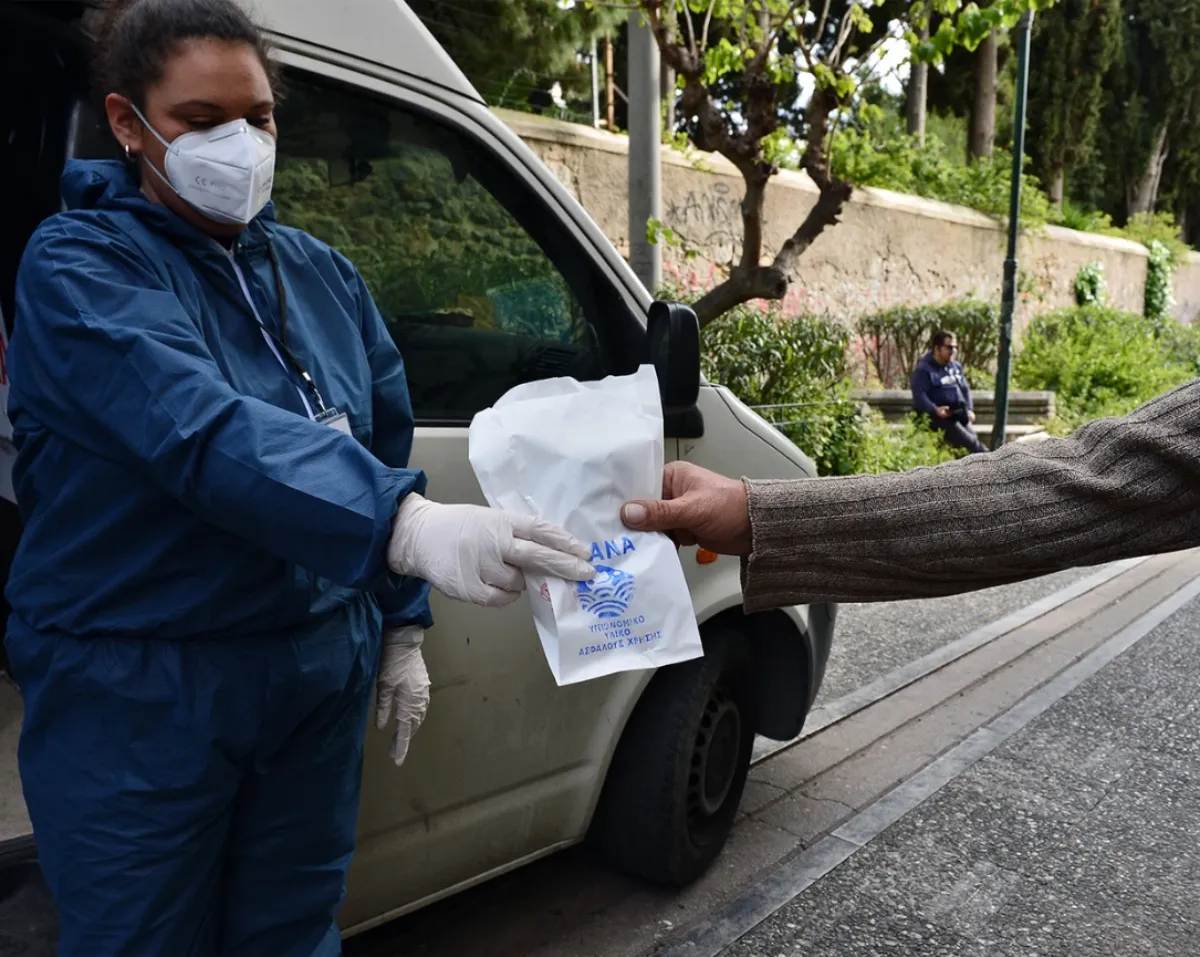
- Athens, Greece successfully championed a national ministerial declaration expanding access to lifesaving naloxone amid rising opioid overdose deaths.
Public Health Areas
Partnership cities select from 15 evidence-based interventions across seven public health areas — from food policy and tobacco control to overdose prevention and heat. See which cities are working on what by selecting a health area.


Partnership for Healthy Cities Website
Explore the Partnership for Healthy Cities website to browse interventions and discover stories, resources and impact from cities working to build healthier, safer communities worldwide.