Protecting Communities
Protecting people from environmental and urban health threats and leveraging the power of cities to promote health.
Climate change and environmental hazards are among the fastest-growing threats to public health, including in cities, where they compound existing burdens of injury and noncommunicable disease. Cities are where some of the most creative and effective solutions to protect health are tested and scaled. We apply science and policy solutions to these risks, working alongside governments and partners to create safer, healthier environments in the places where people live, work, learn and play.
Supporting communities to face growing threats
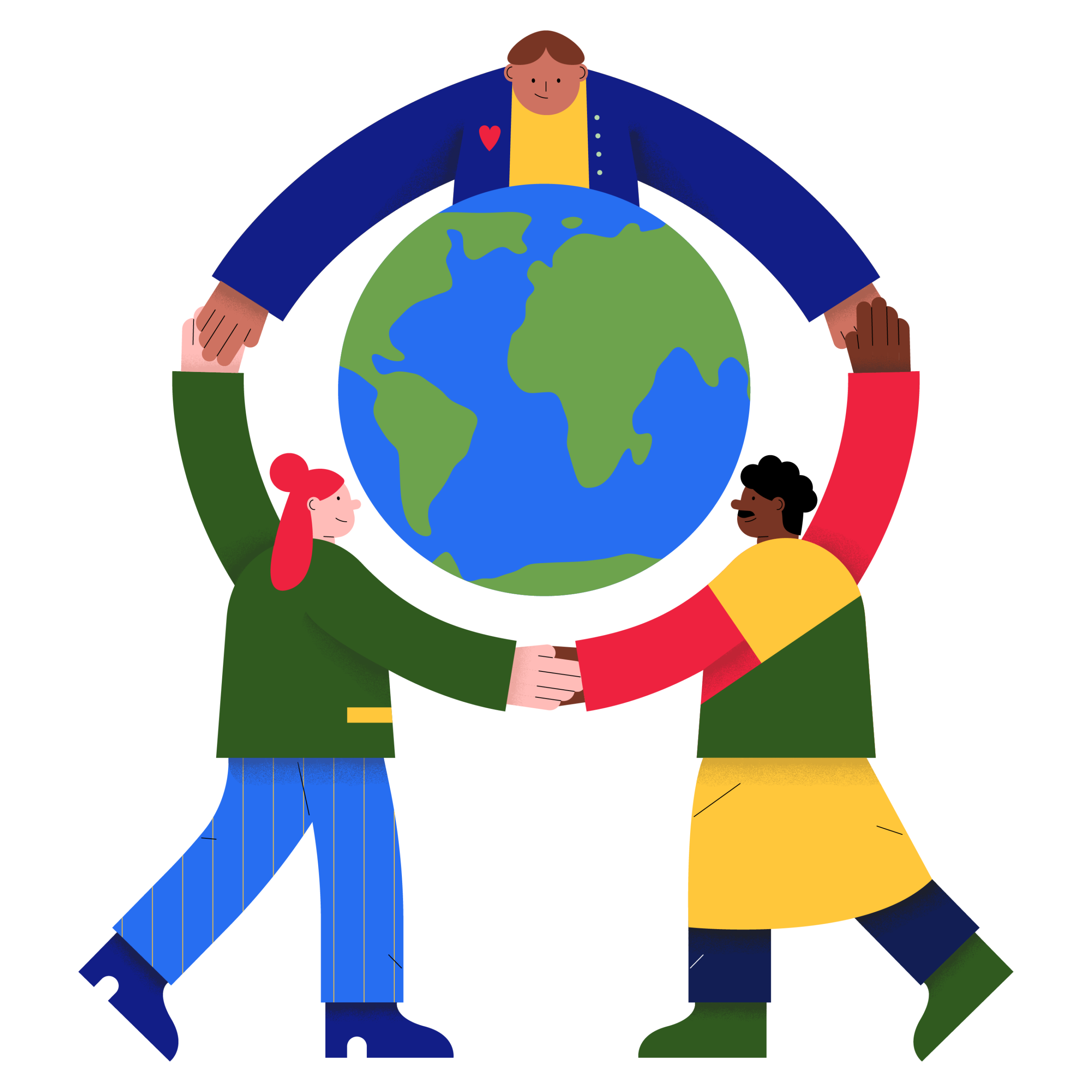
Environmental risks are now responsible for millions of preventable deaths each year. Rapid urbanization, air pollution and toxic exposures such as lead disproportionately affect children, older adults and people living in low- and middle-income countries. Without action, these risks will continue to strain health systems and widen health inequities. By working with government and city leaders to reduce exposure to environmental threats and build healthier urban environments, we help prevent illness and death and build communities resilient enough to face what’s ahead.
What protecting communities looks like in practice
Protecting communities means reducing everyday risks and strengthening local systems so people can thrive. Our work supports partners to:
- Improve air quality and reduce exposure to harmful pollution
- Prepare cities for extreme heat and climate-related health risks
- Prevent lead poisoning
- Create safer urban environments that promote health and well-being
Air Pollution, Climate and Health
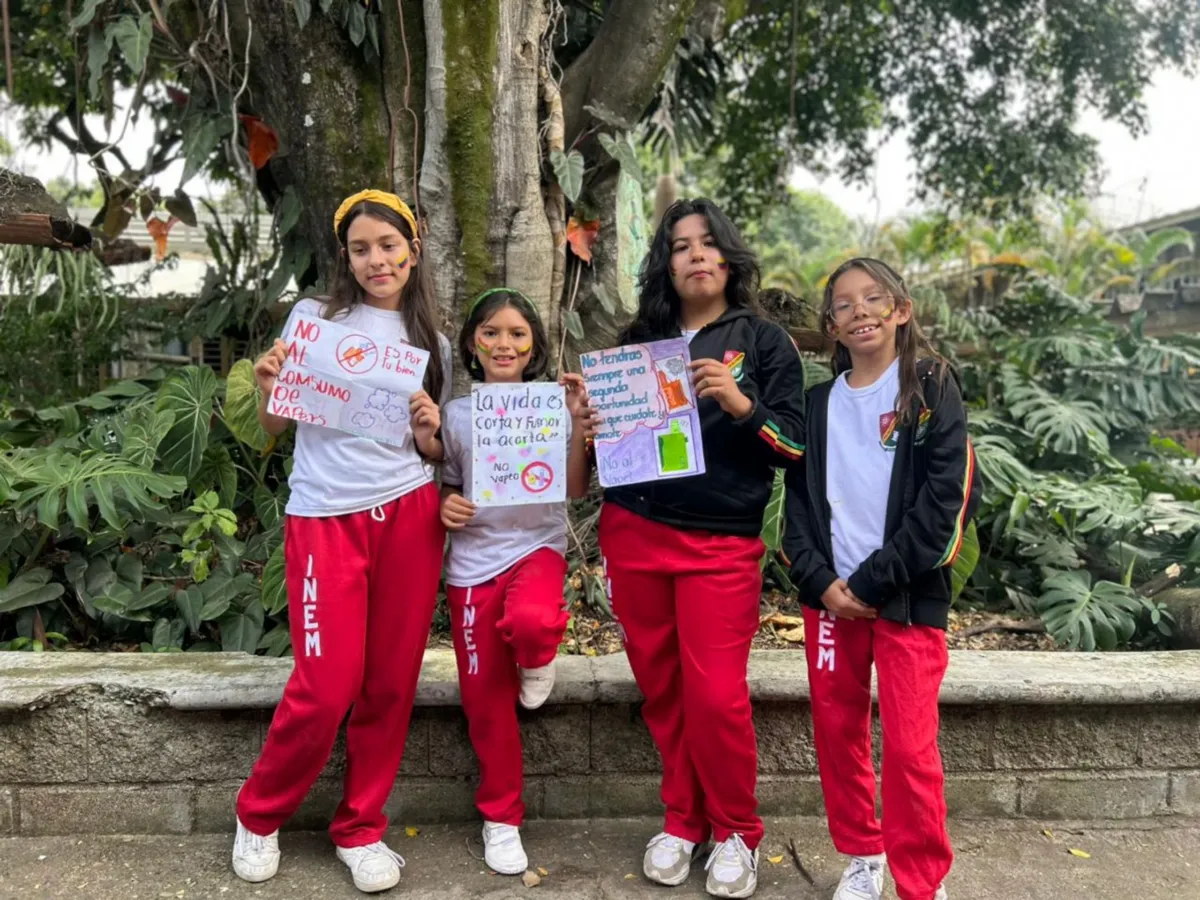
In Jakarta, young citizen scientists are measuring the air quality they breathe every day through a Vital-supported project—turning an invisible threat into a number a family can react to, and a case for city policymakers to take action. Vital Strategies is also working with governments to mitigate the harmful effects of heat on communities. Through the Partnership for Healthy Cities, heat action plans are now being developed in Bangkok, Seoul, Phnom Penh and Quezon City, building on the same locally led model that has already helped cities pass smoke-free zones and safer streets. In Fortaleza, Brazil, a Vital-supported Climate Risk Observatory combines weather and administrative data from 10 weather stations to predict and issue early warning alerts on heat waves, urban floods and droughts—turning a citywide climate threat into a warning a resident can act on before it becomes an emergency.
Learn more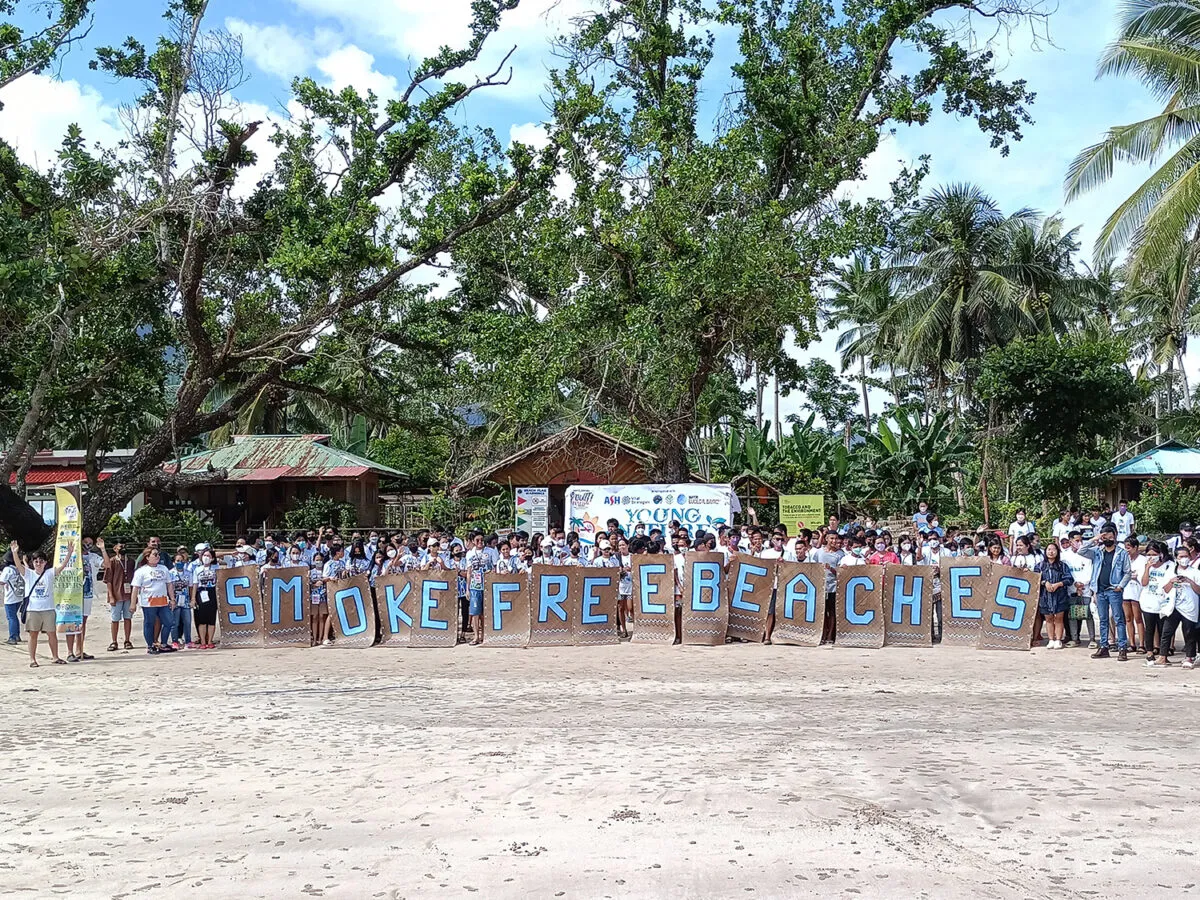
Urban Health
As more people move to cities, urban environments increasingly shape health outcomes. We are an implementing partner in the Partnership for Healthy Cities, a network of more than 70 cities advancing locally led, evidence-based policies—from expanding healthy food access in schools to designing safer, more walkable neighborhoods. For example, in Istanbul, Vital-supported safe school zones—with reduced speeds and infrastructure improvements within 500 meters of every primary school—now protect more than 917,000 students from road crash injuries.
Learn more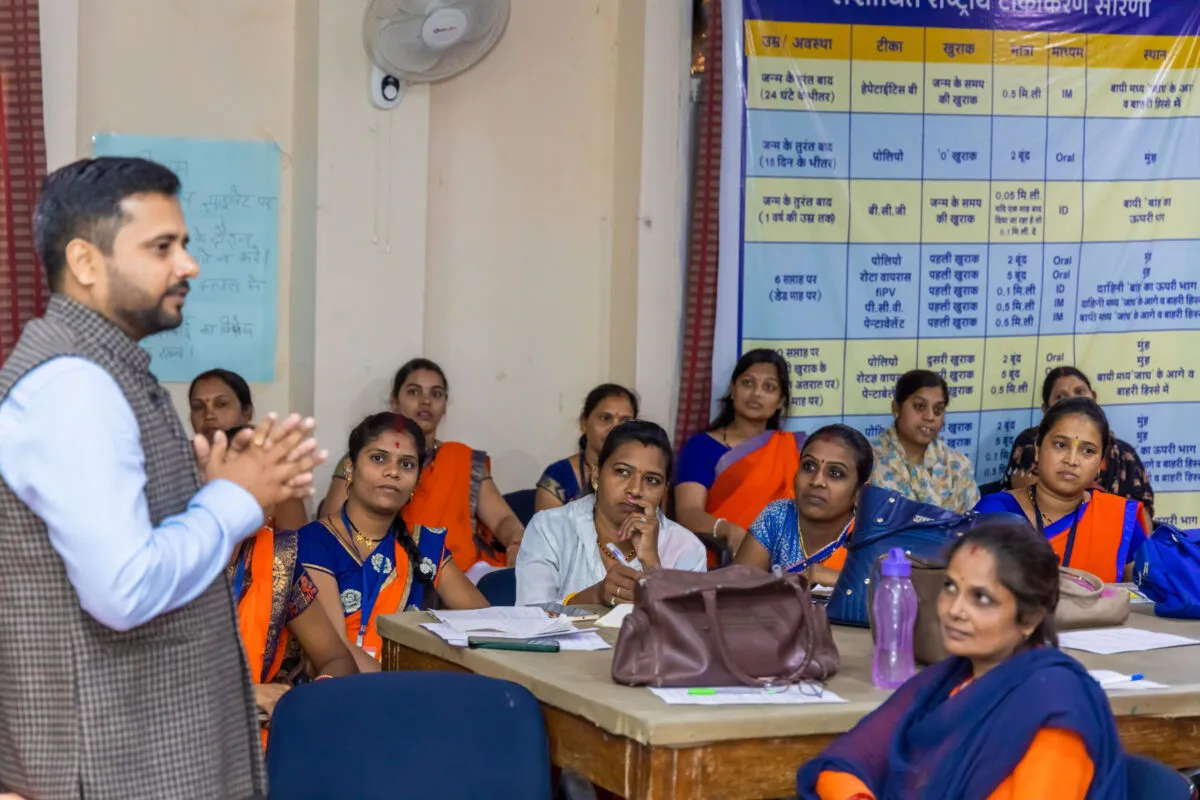
Lead poisoning prevention
Lead exposure remains a major but preventable threat to children’s health, with one in three children worldwide carrying blood lead levels high enough to cause lasting harm. Through the Bloomberg Philanthropies Lead Poisoning Prevention Initiative, we work with governments to conduct blood lead surveillance, identify exposure sources, strengthen clinical guidelines and advocate for stronger regulations. For example, in Maharashtra, India, more than 1,400 children were screened for blood lead levels across eight districts—turning a hidden, irreversible harm into something a health system can finally see, track and treat.
Learn more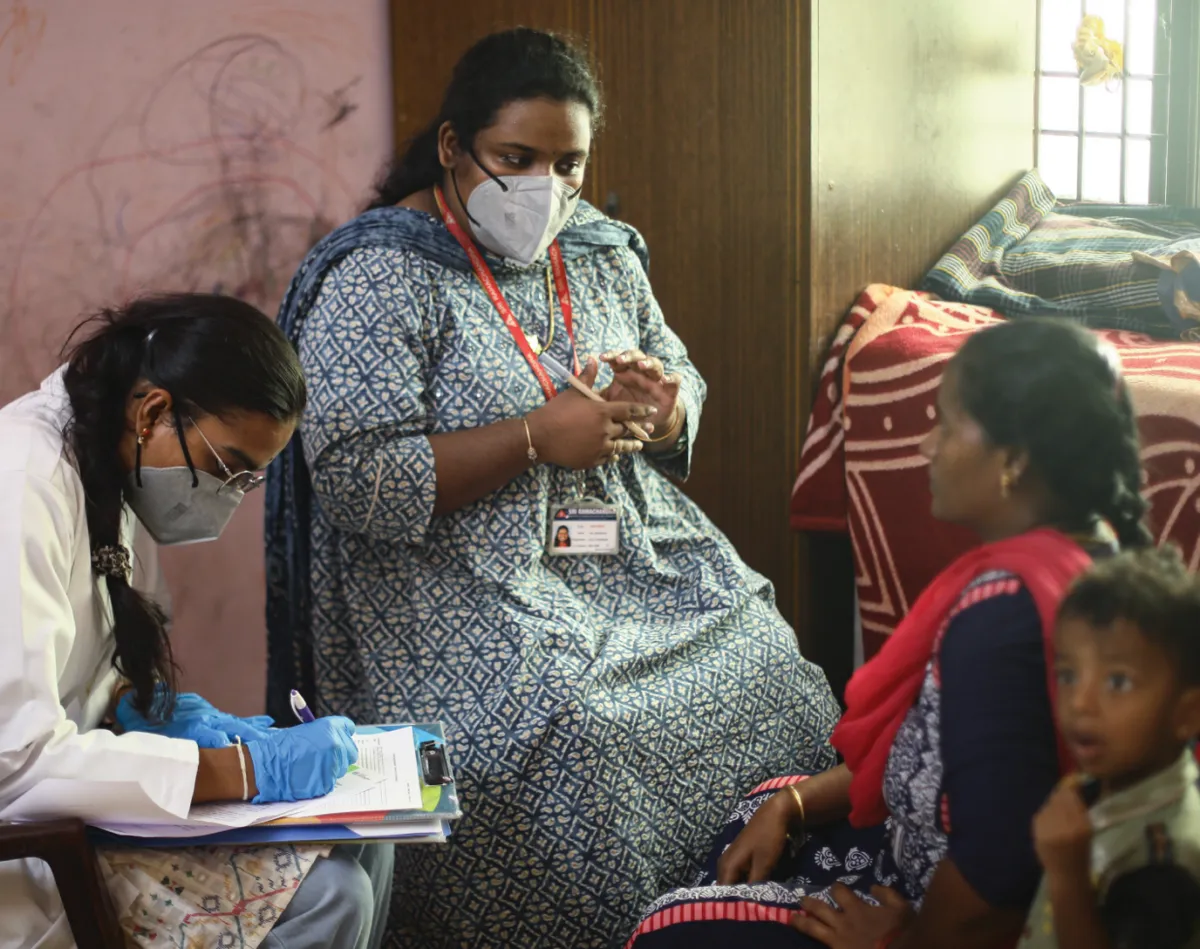
Lasting protection requires healthier environments
Protecting communities means addressing the environmental and urban conditions that shape health every day. By supporting partners to reduce exposure to pollution, extreme heat and toxic hazards, we help strengthen public health systems and protect millions of people from preventable harm.
Explore other areas of impact

Promoting Health
We support efforts to reduce tobacco use, harmful alcohol consumption and unhealthy diets, easing the burden of noncommunicable diseases on people, health systems and economies.
Learn more
Preventing Harm
We support health-centered, evidence-based approaches that reduce risk, strengthen prevention and response systems and protect people from injury, violence and overdose.
Learn moreInsights and Updates