Strategic Communication to Advance Road Safety
Strategic communication plays a critical role in road safety by building public support for strong policies, shaping social norms, advancing a people-first road safety culture, and encouraging safer road use and compliance.

Everyone Deserves a Safe Journey. Strategic Communication Helps Make It Possible.
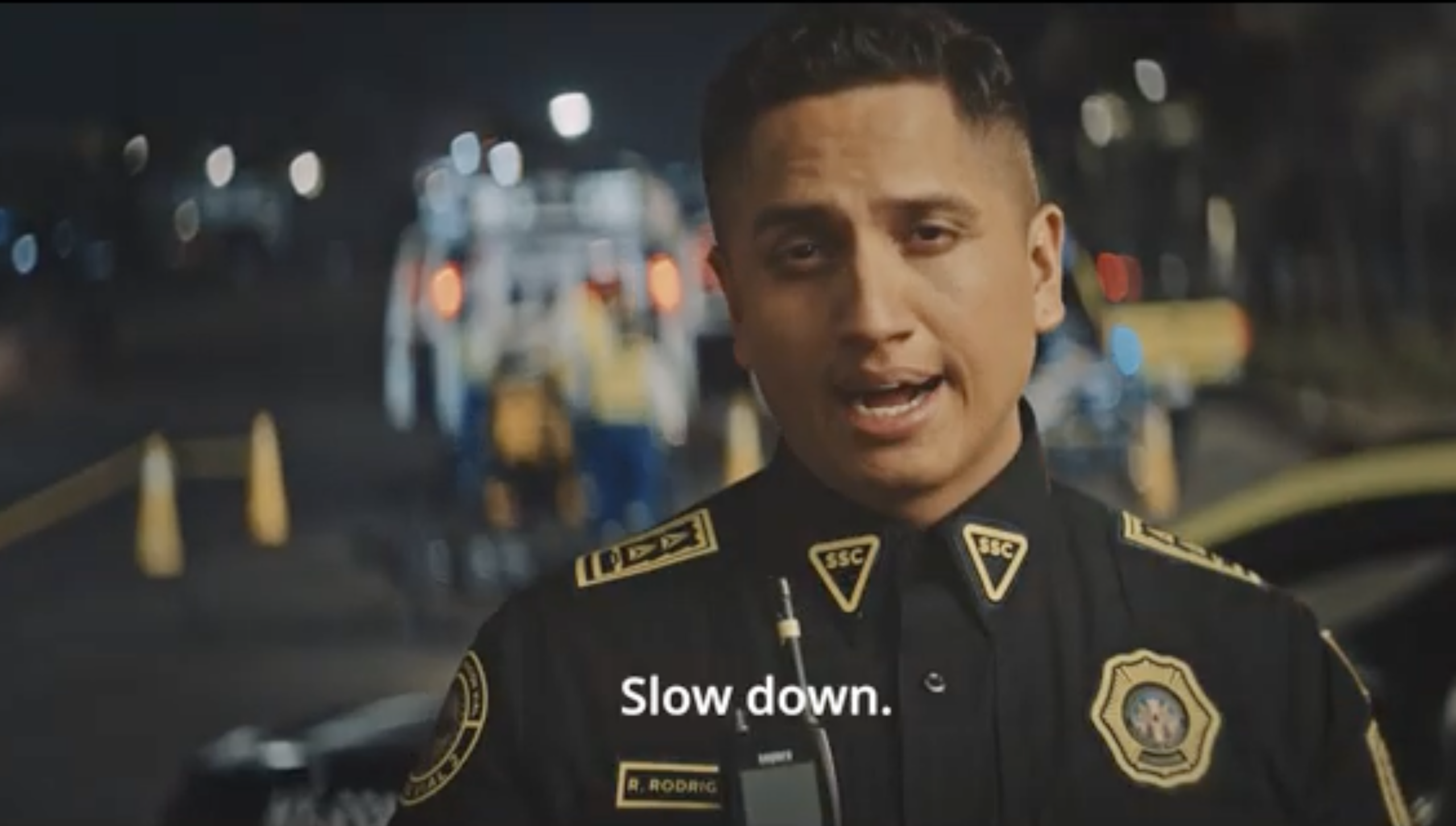
Mass media campaigns support road safety by raising awareness, shaping social norms and encouraging safer road use. When paired with enforcement, these campaigns can increase compliance with traffic laws and save lives.
Through the World Health Organization-led Road Safety in 10 Countries project and the Bloomberg Philanthropies Initiative for Global Road Safety, Vital Strategies has supported governments in more than 20 countries to implement over 150 campaigns addressing speeding and drink driving, and the use of helmets, seat-belts and child restraints.
Vital Strategies partners with governments around the world to develop and implement evidence-based campaigns to change risky road behaviors like speeding and drink driving. These campaigns are designed to supplement enforcement of best-practice traffic laws to catalyze meaningful change in how people use roads. This combination is an evidence-based method for reducing crashes, injuries and deaths.
We team up with governments to identify priority road safety risks and the behaviors contributing to them, ensuring communication efforts are aligned with broader policy and enforcement interventions. We bring together transport, health and enforcement agencies; researchers; civil society; and road user groups to build a shared understanding of the issue, strengthen coordination and define campaign priorities.
Data-driven, evidence-based design is the cornerstone of our work. While crash data helps define the road safety problem, our Behavioral Insights team complements it with social and behavioral research to understand road users’ experiences, motivations, barriers and decision-making. This understanding informs every stage of campaign development—from audience segmentation and message design to testing, implementation and evaluation—drawing on behavioral science frameworks to shape messages that resonate and encourage safer road use.
We support a multifaceted approach combining mass media and public relations for broad reach, digital and social media for targeted engagement, and items such as billboards and posters displayed in high-risk traffic locations. Messages are amplified through trusted messengers—including experts, crash survivors, everyday road users and digital creators—using storytelling to make road safety relevant, relatable and impactful.
We also integrate community engagement and crash victims’ voices through powerful testimonials that humanize risk and strengthen support for safer behaviors and policies.

Working with the media to help shape the road safety message
The way journalists write or speak about road traffic crashes influences how audiences perceive what happened, who is responsible and what should be done in response. Our team works with journalists and spokespeople to emphasize the preventability of these tragedies, challenge the acceptance of road crashes as a cost of travel, identify root causes of crashes, and build support for evidence-based solutions that can prevent crashes, injuries and deaths.
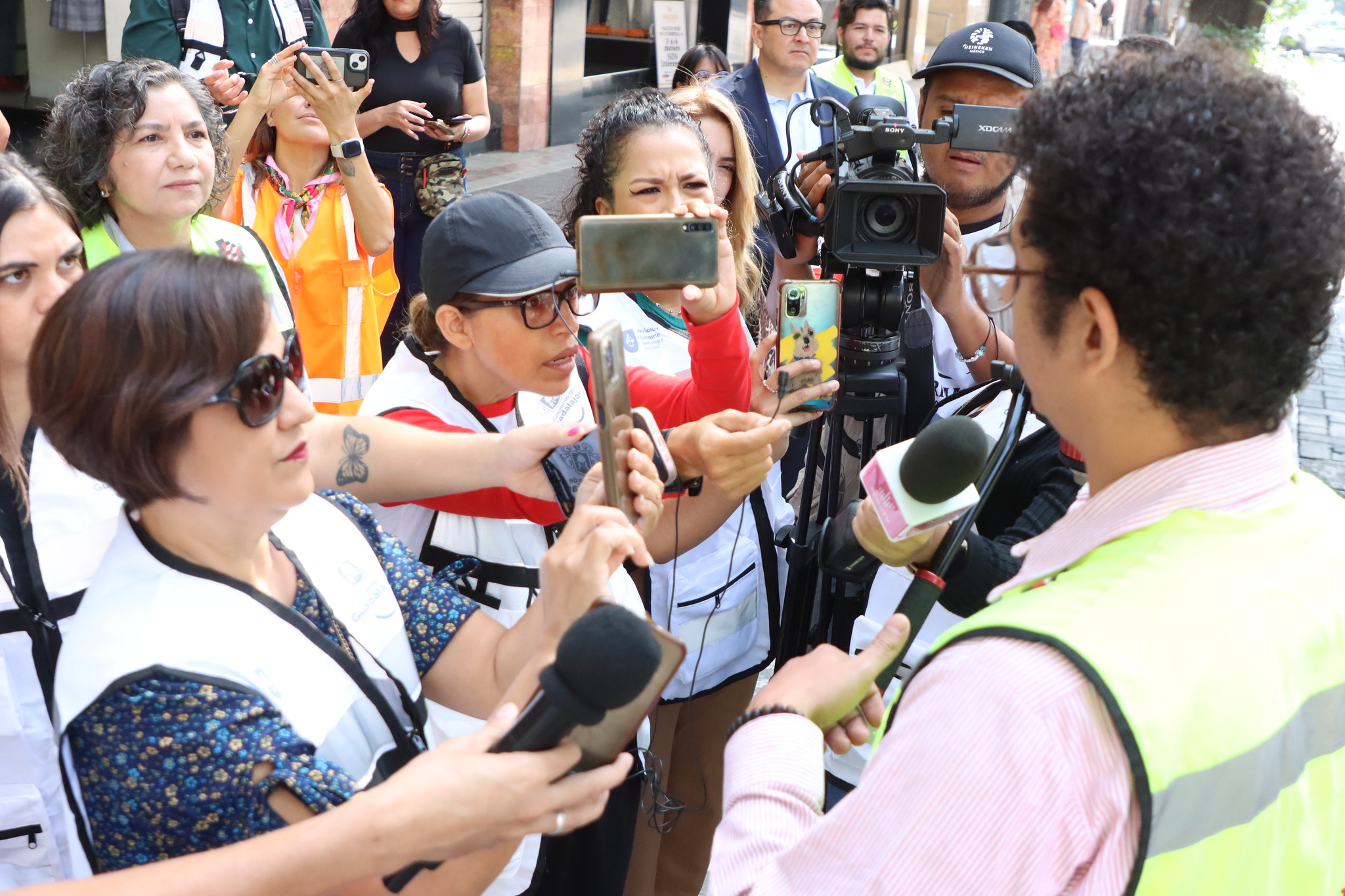
Working with the media is a critical piece of a comprehensive communication strategy. In the Safe System approach, which relies on sustained government commitment as well as collaboration to improve road safety, media helps shift the narrative from individual responsibility to shared responsibility among road users, policymakers, road designers, vehicle manufacturers and enforcement agencies. Vital Strategies helps provide technical support for government-led workshops for journalists, as well as for spokespeople who engage with the media.
Road safety is often discussed in public discourse as just a transit issue — resulting in heavy traffic, “accidents” or other inevitable inconveniences. Framing road safety, instead, as a public health issue is important in mobilizing resources and generating widespread demand and support for a holistic approach to enact best-practice solutions and save lives.

Putting Evidence at the Center of Road Safety Campaigns
Through workshops, technical support, and exchanges among officials of different countries, states and cities, we prioritize strengthening local capacity and adoption of best-practice processes and standards to ensure the sustainability of strategic communication efforts. We encourage governments to sustain their high-quality evidence-based road safety media campaigns through stable, independent and long-term funding. However, sustaining strong campaigns remains a consistent challenge, particularly in low- and middle-income countries, where funding is often limited.
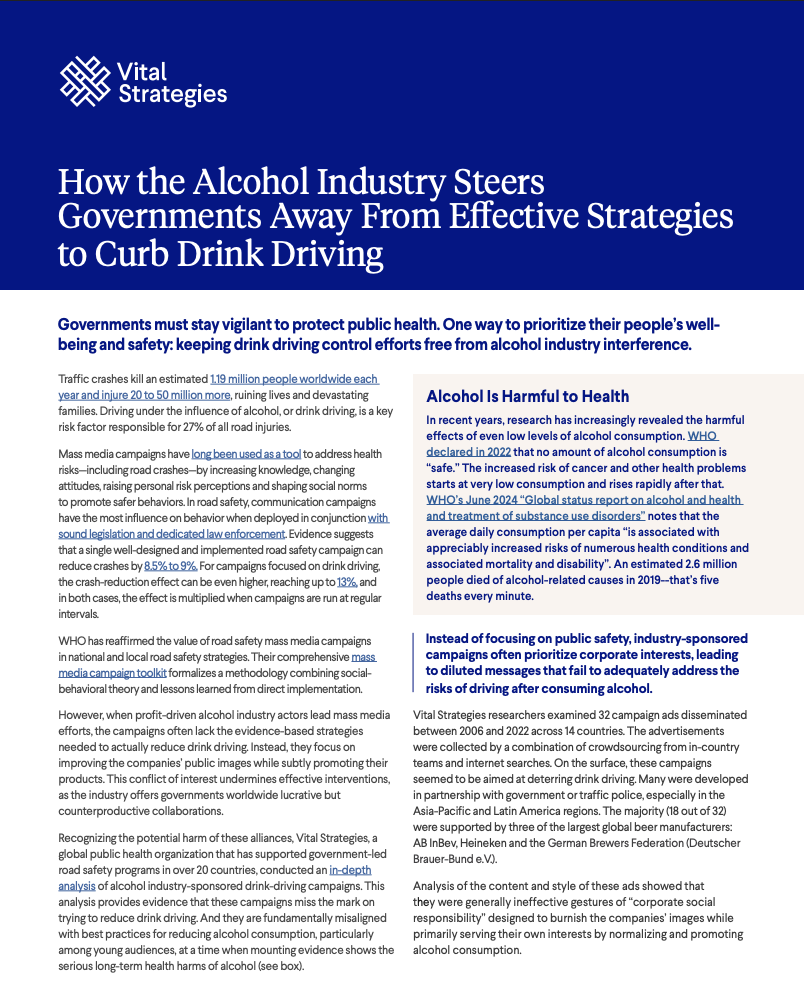
We have generated evidence showing that alcohol industry-sponsored drink-driving campaigns, while often presented as socially responsible, are largely ineffective in reducing drink driving and may instead shape favorable perceptions of alcohol, potentially undermining broader prevention efforts. This highlights the importance of excluding vested interests from campaign design and ensuring independent, public-health–led communication strategies.
Our practical guidance aligns with World Health Organization recommendations to design and implement effective road safety campaigns addressing critical risky behaviors such as speeding and drink driving, which, when combined with enforcement, can significantly reduce crashes, injuries and deaths.