
By: Adam Karpati, Chief Public Health Officer, Vital Strategies
Governments around the world recognize the importance of data of all sorts for good policymaking and decision-making, and they are investing in more and more advanced data systems. Yet, a foundational data source is often overlooked, despite its critical value—information about people’s deaths.
Death data provides crucial insights into the health of populations, and tracking deaths is one of the most consequential measurements a country can make.
Each year, nearly half of all deaths worldwide go unrecorded, and at least two-thirds of deaths are never recorded with a cause. Nearly all of these are in low- and middle-income countries. When there are gaps in death data collection, policymakers are missing a clear picture of who is dying, where, and from what. And that information gap undermines their ability to direct resources appropriately to the most important health issues and to evaluate the progress of investments they’ve made.
The good news is it is possible to count every death around the world. Countries are increasingly seeking to establish sustainable systems that fully and accurately record every birth, death, and cause of death. These are known as civil registration and vital statistics (CRVS) systems.
For more than ten years, the Bloomberg Philanthropies Data for Health Initiative has partnered with 80+ countries to strengthen CRVS systems, and the results have been transformative. Take Rwanda, for example.
In 2015, Rwanda recorded just 4 percent of deaths. Today, because of the government’s investment in the collection of death data, that number has increased more than tenfold to 51 percent.
And the country has used this improved data to drive the creation of new, lifesaving policies and programs, like cancer screenings. When the Ministry of Health analyzed death data, they found that 70 percent of cervical cancer deaths occurred in women diagnosed at an advanced stage. This evidence led the Ministry to expand screening programs, mobilize volunteers to reach women in rural areas and invest in treatment centers.
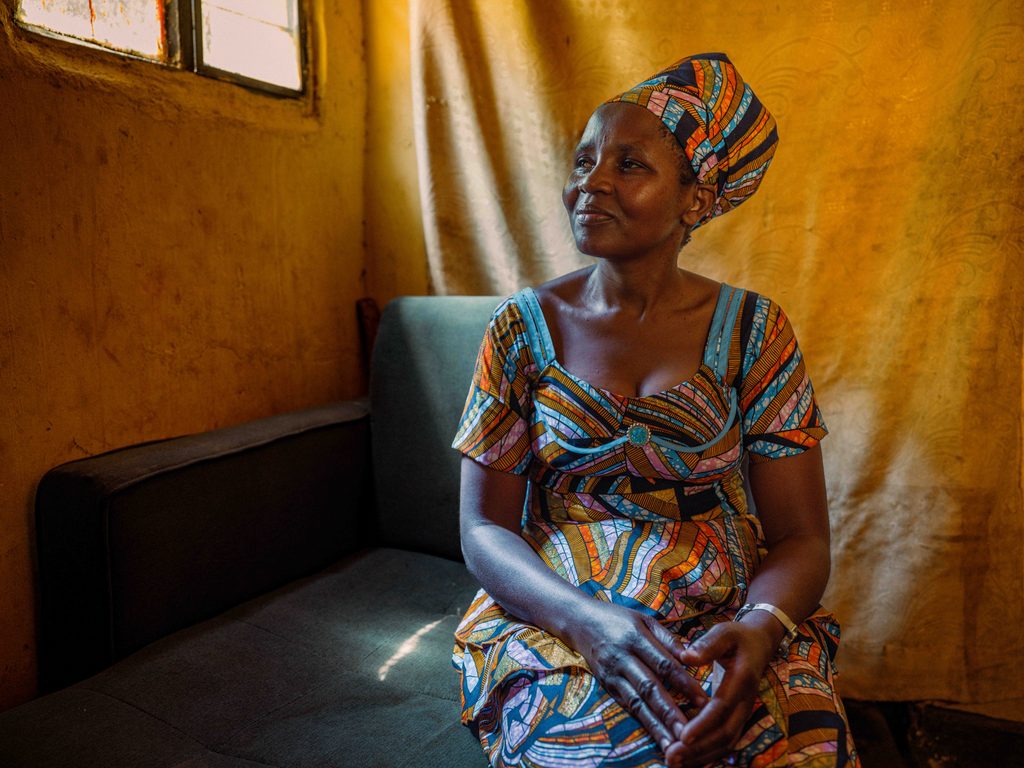
Marie Louise Yamuragiye is a cancer survivor and mother of five from southern Rwanda. She has been cancer-free for the past six years. Thanks to Rwanda’s early screening programs, her cancer was detected at an early stage, allowing her to receive timely and effective treatment. Today, she is part of a cancer survivor support group that helps to educate others. She says, “If people are cared for, they can recover and they can remain, like me. I am still here.”
From the point of view of those in national leadership, “Cause-of-death analysis allows us to do targeted interventions,” says Josephine Mukesa, Director General of Rwanda’s National Identification Agency. She is one of the champions of Rwanda’s investment in the collection of death data. According to her, “Health interventions, and even policy interventions, are done much faster because we have the data available for the government to make decisions.”
When deaths are counted and causes understood, data becomes the foundation of lifesaving decisions.
That’s why the Bloomberg Philanthropies Data for Health Initiative is proud to launch a new digital interactive tool that makes it easy for anyone to learn about death data and see its use in action.
Try the interactive here: https://dataforhealth.bloomberg.org/causeunknown/
And learn more about how Rwanda used death data to roll out lifesaving cancer screenings: https://dataforhealth.bloomberg.org/expanded-cancer-screenings-in-rwanda/