Q&A with Yue Zhang – Program Manager, Environmental Health
Yue Zhang is a Program Manager for the Environmental Health Division at Vital Strategies. In her role, Yue has worked on developing children’s environmental health indicators (CEHIs) in China. CEHIs present summarized data to describe children’s health in relation to environmental factors. For example, they can describe the frequency of a health or environmental problem, an average exposure, or the number of children affected.
Yue worked with UNICEF and other partners in China to help develop indicators to serve as the core of China’s children’s environmental health surveillance, resulting in a recently published report, Prioritizing Children, Children’s Environmental Health Indicators for China.
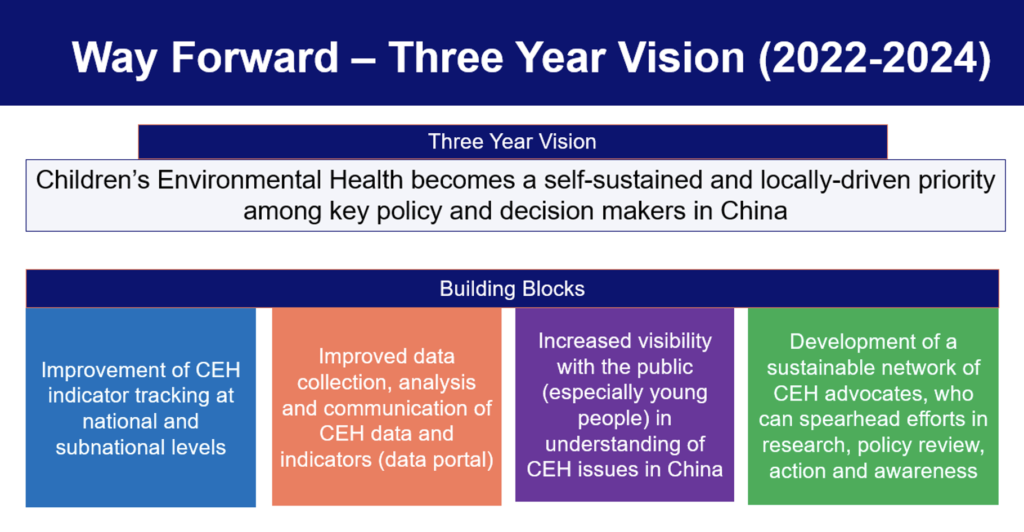
She is now collaborating to develop a data portal for CEHIs, draft the National Profile for Children’s Environmental Health in China, and pilot CEHI data collection and analysis in selected provinces and cities. Vital’s Environmental Health team will continue to support China’s environmental health work over the next three years to help:
- Promote children’s health by quantifying the magnitude of a public health problem;
- Detect trends in environmental health exposures and outcomes;
- Identify subpopulations at risk of environmentally attributable illnesses; and
- Direct and evaluate environmental measures for disease control and prevention.
These indicators will prove useful as Vital Strategies looks to expand the CEHI initiative, particularly to countries looking to strengthen their environmental health capacities.
What was the process for developing CEHIs?
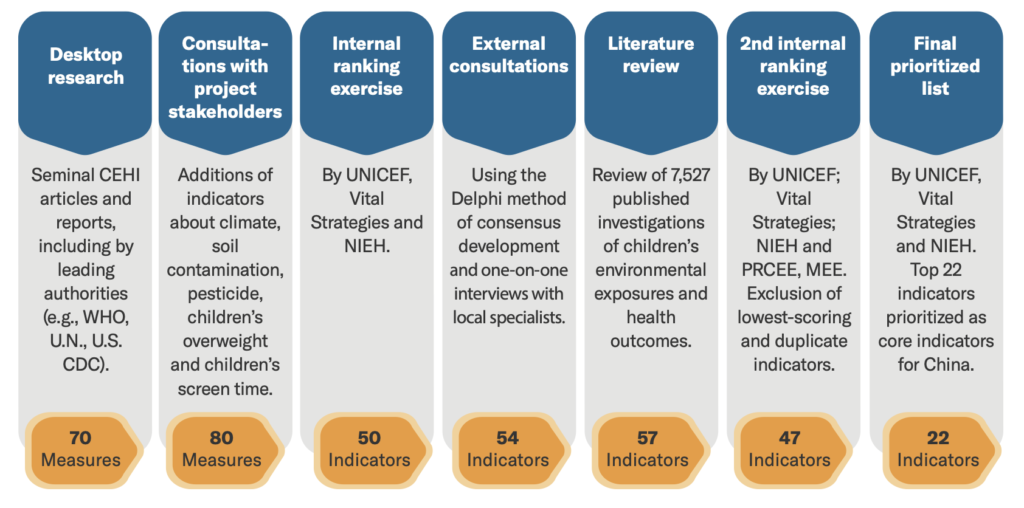
Note: NIEH: National Institute of Environmental Health, Chinese Center for Disease Control and Prevention
PRECC, MEE: Policy Research Center for Environment and Economy, Ministry of Ecology and Environment of the People’s Republic of China
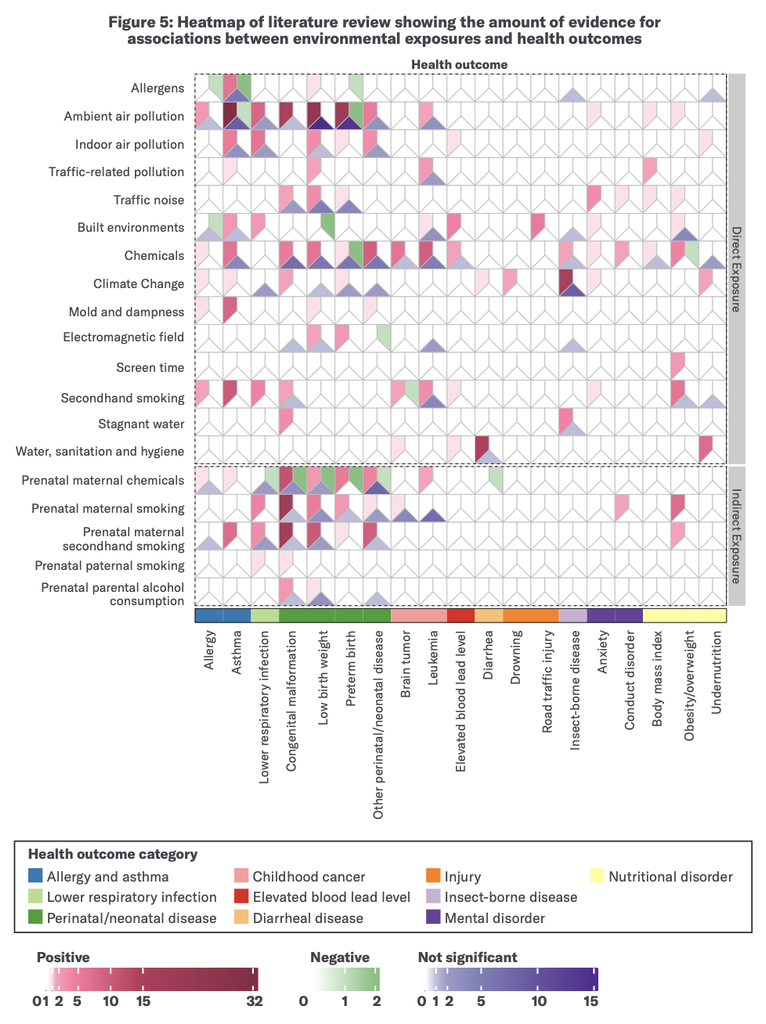
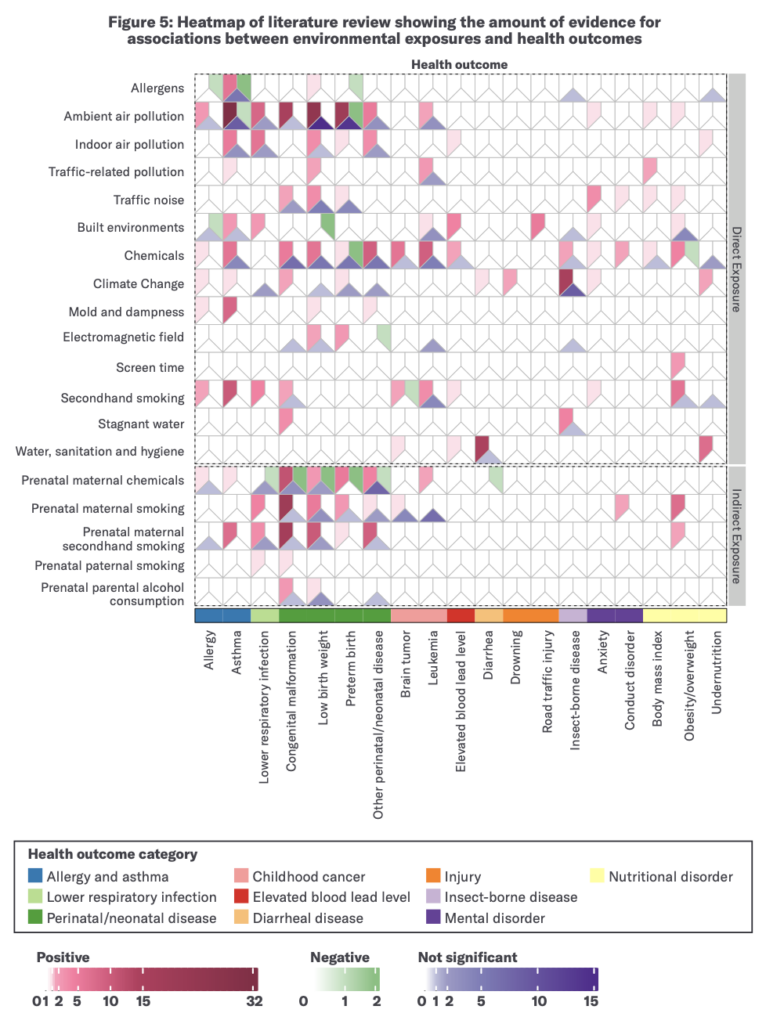
There are many CEHIs that China could have implemented. How did you present the evidence for the ones you selected?