Tobacco Marketing
The tobacco industry uses seductive, often invisible marketing to recruit and addict new customers, particularly youth. Vital Strategies works with governments to enact bans on tobacco advertising in order to reduce tobacco consumption.

Supporting the Development of Tobacco Advertising, Promotion and Sponsorship Bans

Tobacco advertising has intensified as the industry has expanded into less-regulated heated tobacco products, electronic cigarettes and nicotine pouches. The tobacco industry markets these harmful, addictive products directly to young people as the industry seeks to replace customers who die from cigarettes, its core product. One-third of youth experimentation with tobacco results from exposure to tobacco advertising, promotion and sponsorship (TAPS).
Research has shown that comprehensive TAPS bans—which prohibit both traditional and digital platforms for marketing—have decreased tobacco consumption by up to 16%. We are partnering with governments that are at the forefront of addressing industry marketing in environments such as social media, streaming services and film.
We provide technical assistance to government partners to develop comprehensive TAPS policies, run media campaigns generating public support for bans, and collect evidence demonstrating the need for comprehensive tobacco bans and strong enforcement.

Exposing the Industry’s Digital Marketing Tactics
A significant portion of tobacco marketing occurs online. The industry has developed innovative strategies for reaching consumers via the internet, which has less regulatory oversight than traditional media.

Our digital media monitoring service, Canary, exposes how marketing for dangerous, addictive products has infiltrated digital spaces. It analyzes marketing activity, uncovers insidious campaigns, and provides stakeholders with dashboards of powerful, actionable data.
Canary is a core component of Vital’s Behavioral Insights Lab. It translates digital surveillance into behavioral and policy intelligence, identifying not only where tobacco and nicotine products are promoted, but how industry actors use narratives, influencers, emotional appeals and platform tactics to normalize harmful products and reach young people.
Canary’s data equips media outlets, policymakers and civil society groups with evidence to support the development and enforcement of marketing regulations, as well as to uncover new marketing tactics. The service builds support for bans by collecting evidence in countries without them, and helps enforce bans once they’re in place by reporting violations to government stakeholders.
As a result of Canary’s reporting, millions of children are being protected from viewing advertisements promoting addictive substances.

Examples of Canary’s research products include:
Issue Briefs
These briefs offer deep dives into digital marketing trends and tactics.
Situation Reports
These reports capture ongoing, country-level analyses of digital marketing tactics.
Peer-Reviewed Articles
These pieces contribute to the science on how addictive tobacco products are marketed.
Keeping an Eye on Physical Advertising Tactics

While the tobacco industry innovates online, it also maintains its tried-and-true marketing tactics. We support governments in regulating point-of-sale displays and promotional packaging — used by the industry to circumvent bans and expose people to tobacco advertising in retail establishments.
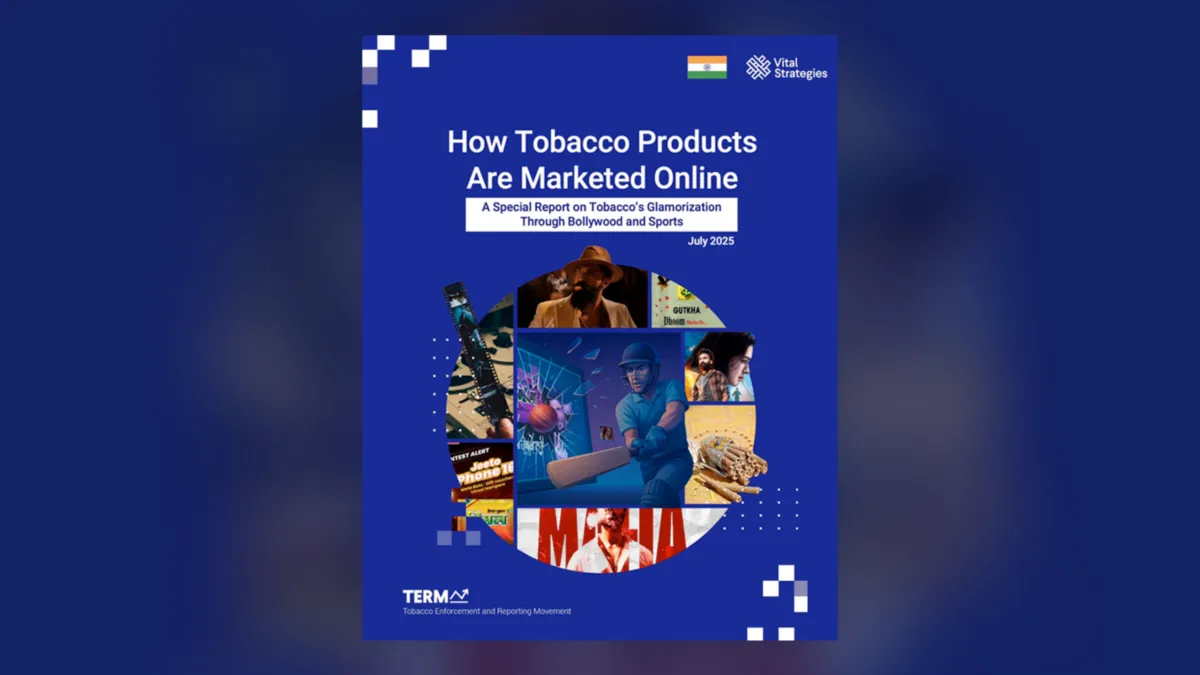
How Tobacco Products Are Marketed Online: A Special Report on Tobacco’s Glamorization Through Bollywood and Sports
This special report from Vital Strategies summarizes examples of online tobacco marketing in India, with a focus on marketing through entertainment and sports.
News and Resources