Support, Not Punishment
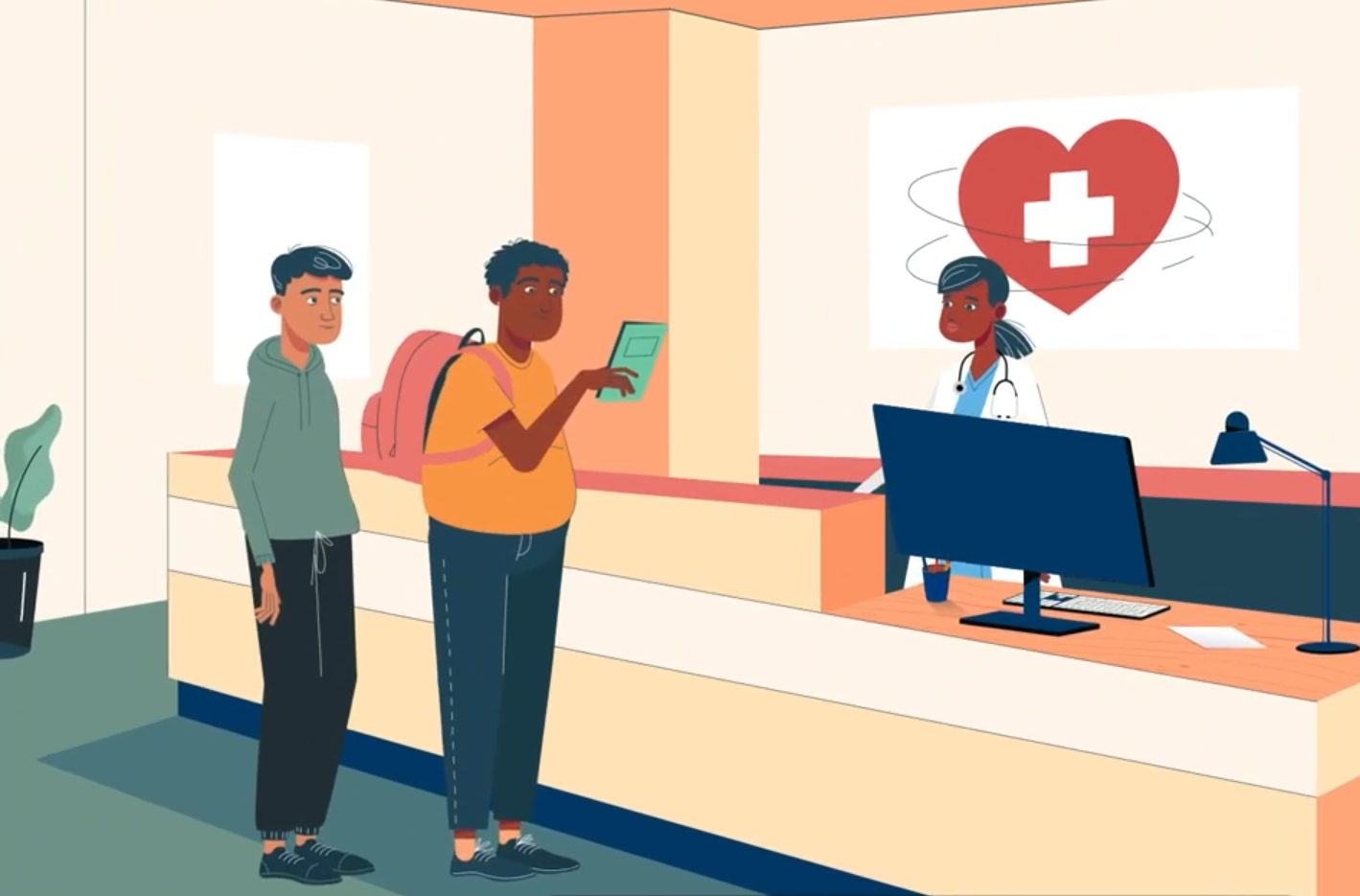
Criminalizing drug use drives overdose deaths and hinders access to care. Vital Strategies advances health-based policies and programs that support people who use drugs instead of punishing them.
Meeting People With Support
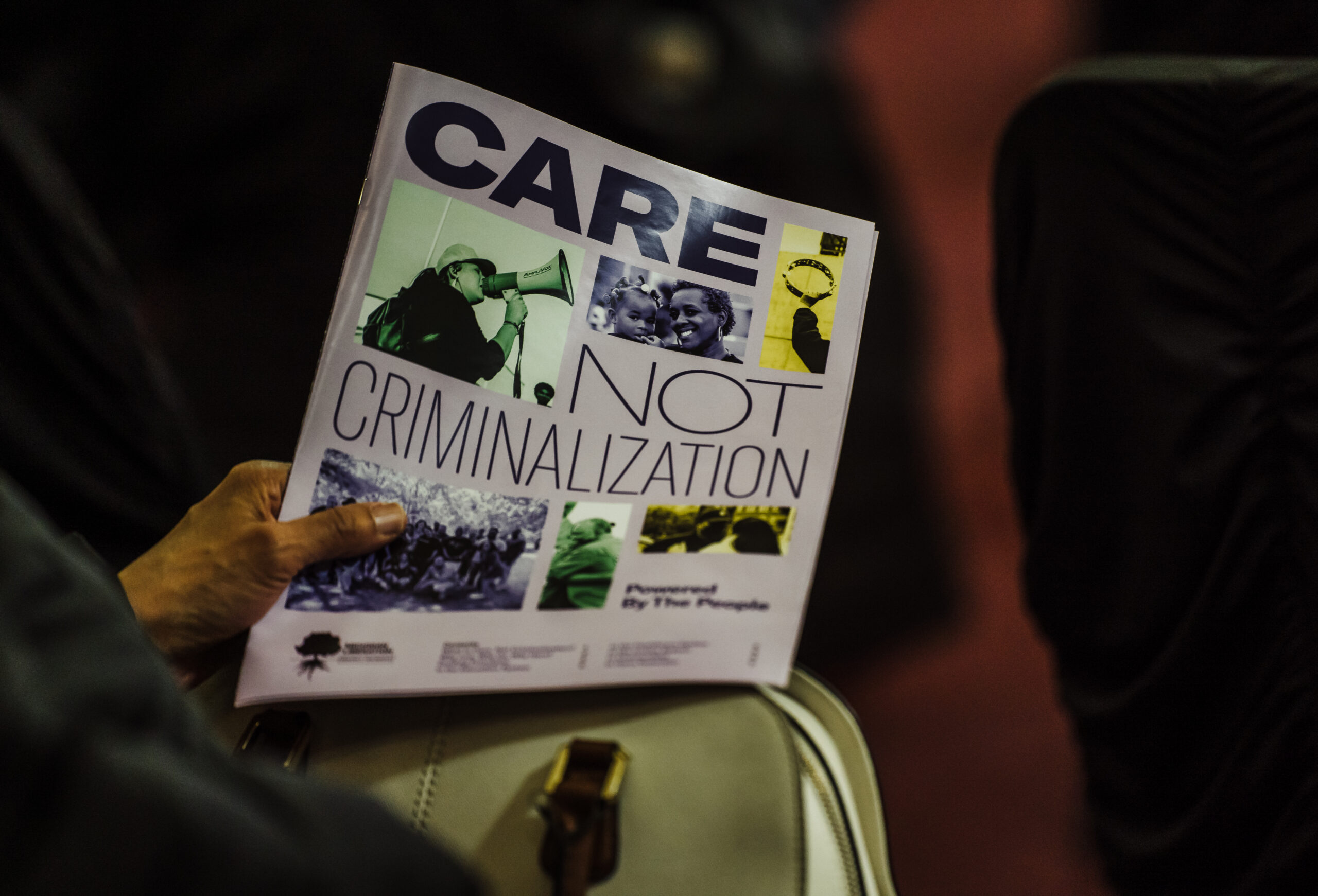
Vital Strategies works with governments and communities to shift away from punitive responses to drug use and prioritize voluntary, science-based, health-centered strategies.
Punitive and coercive responses to drug use remain dominant in the United States, driving mass incarceration, deepening stigma and actively blocking people who use drugs from accessing care. Criminalization does not prevent drug use, but it does increase health and social harms. Vital Strategies supports governments to invest in a voluntary, science-based, health-centered response across systems to meet people with support, not punishment. We advance the evidence, build political will and support implementation, centering the communities most harmed by punitive drug policies.
Challenging Discrimination
Two of Vital Strategies’ partners,Legal Action Center and Disability Rights North Carolina, settled a case in 2025 challenging discrimination at two nursing facilities that denied services based on a person’s substance use. This landmark underscores the many penalties, both criminal and social, that people who use drugs face and offers a model for continuing advocacy to ensure nondiscriminatory care.
Advancing Equity
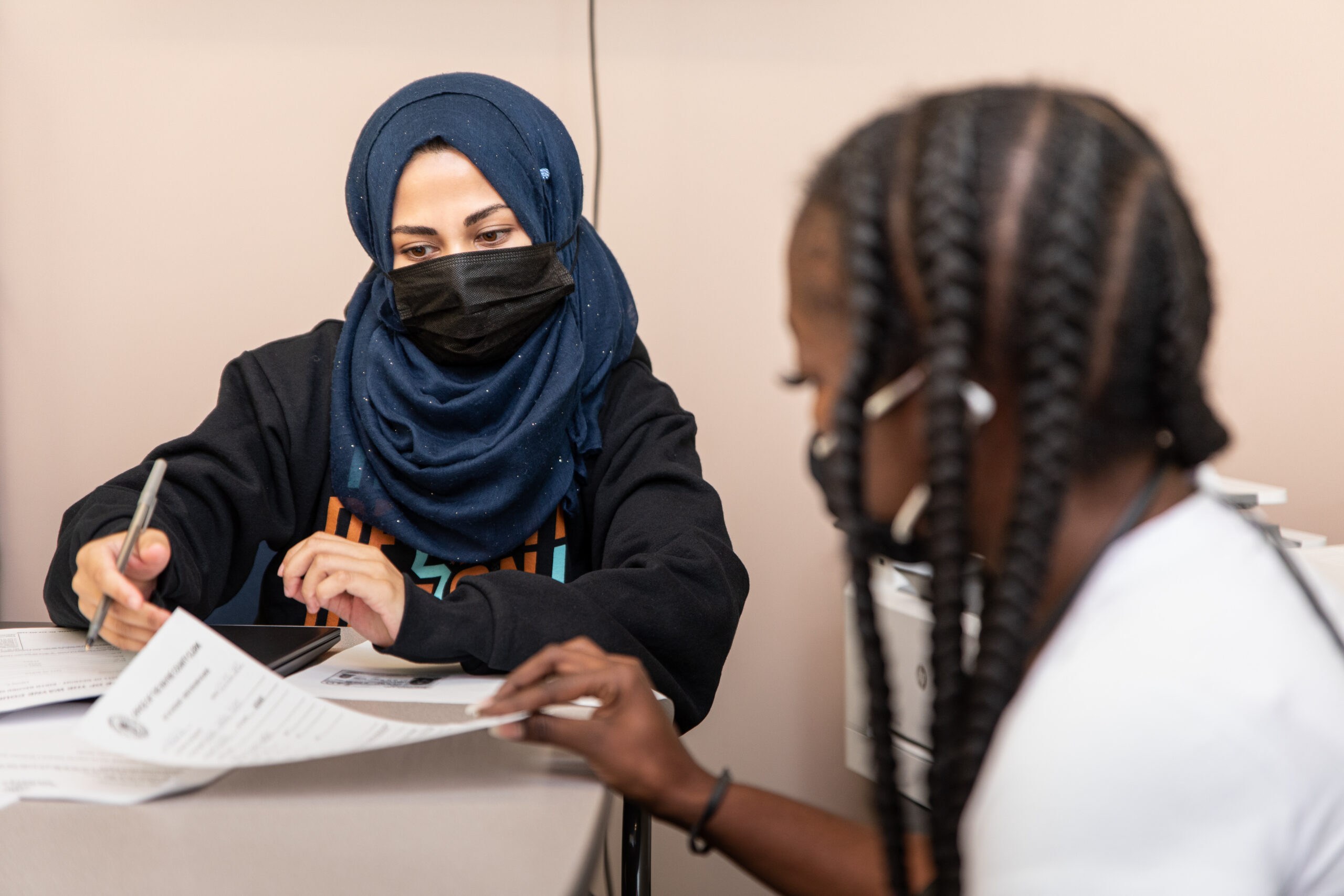
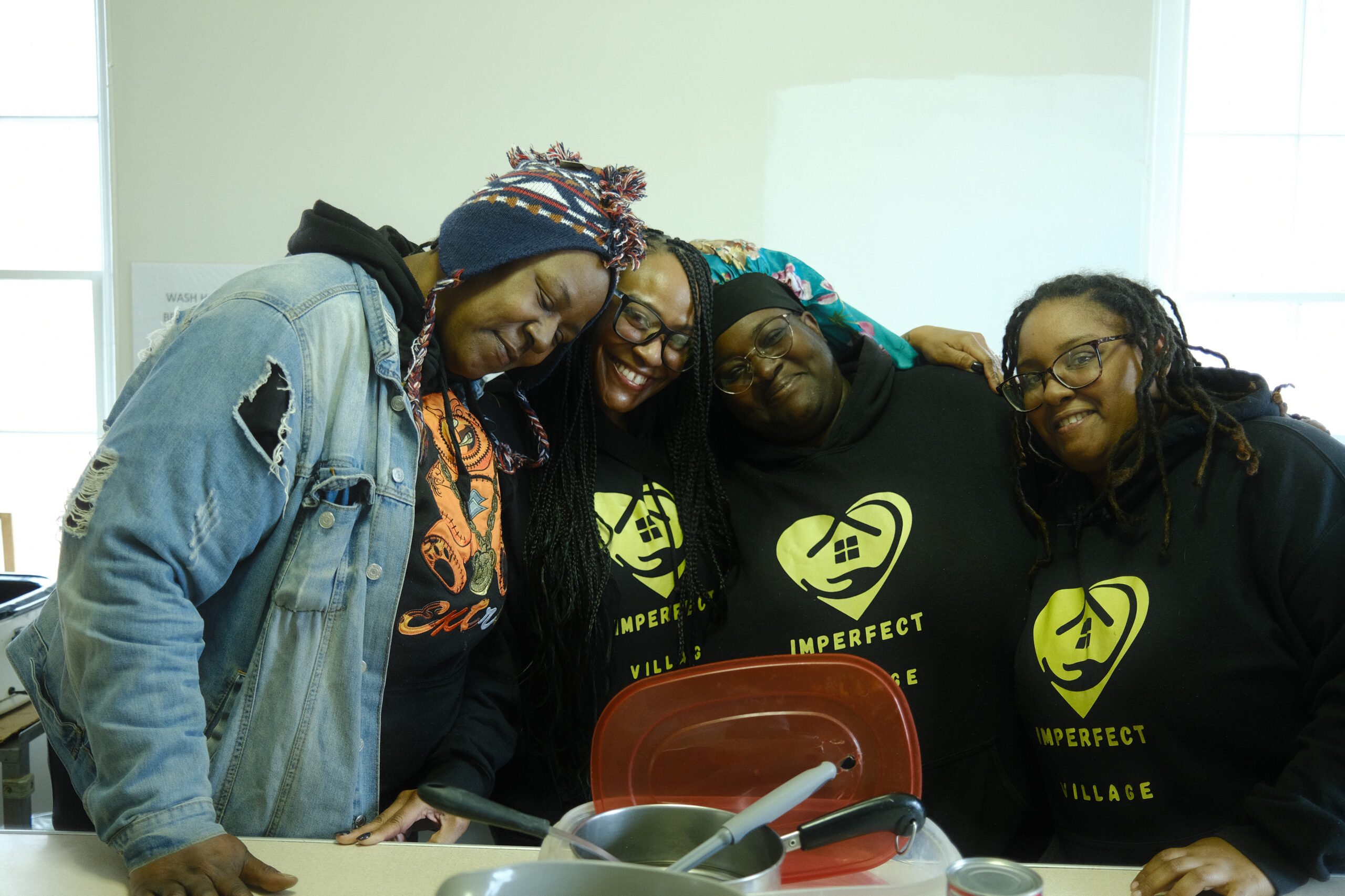
Vital Strategies awarded more than $3 million in racial equity grants to more than 30 community-based organizations in Pennsylvania, Kentucky, New Jersey, Michigan and North Carolina. The funding supported community-based organizations to develop and lead locally relevant strategies for advancing equitable access to overdose prevention resources and addressing the racial harms caused by discriminatory enforcement of drug laws.
New Mexico Takes New Approach to Overdose
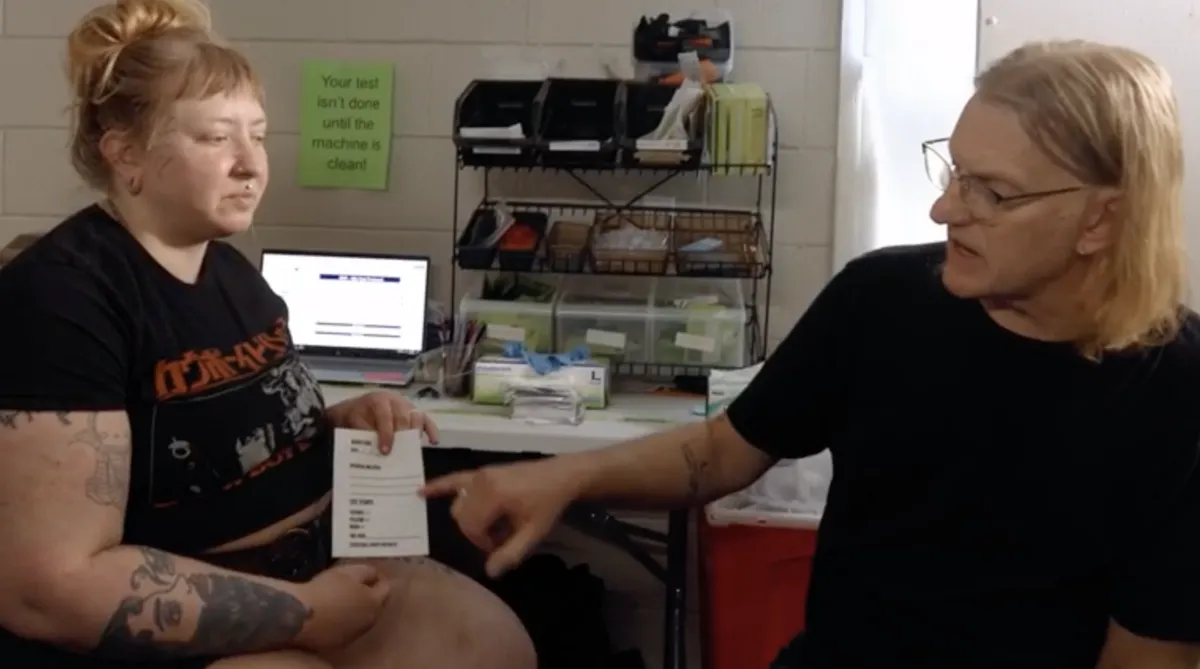
New Mexico has taken a new approach to keeping people safer from overdose. The state passed legislation in 2022 that legalized drug–checking equipment. The change helps communities better understand what additives are creating elevated risks for lethal overdose. Beyond simply legalizing drug checking, the state also shifted first to proactively distributing fentanyl testing strips, then later to launching multiple additive checking sites supported by state funding.Establishing drug checking as a public health function, rather than a criminalization tool, is allowing New Mexico to use data to keep communities safer.
Program Helps Pregnant and Parenting People
Project Care that Advocates Respect/Resilience/Recovery for All provides health-based care for pregnant and parenting people with substance use disorders. With support from Vital Strategies, Project CARA is providing additional support to partner clinics across western North Carolina.

News & Resources