Engage Communities
Overdose is a community crisis—and communities are the most powerful responders. Vital Strategies partners with communities and governments to expand equitable and sustainable community-based services for reducing overdose, centering people who use drugs.
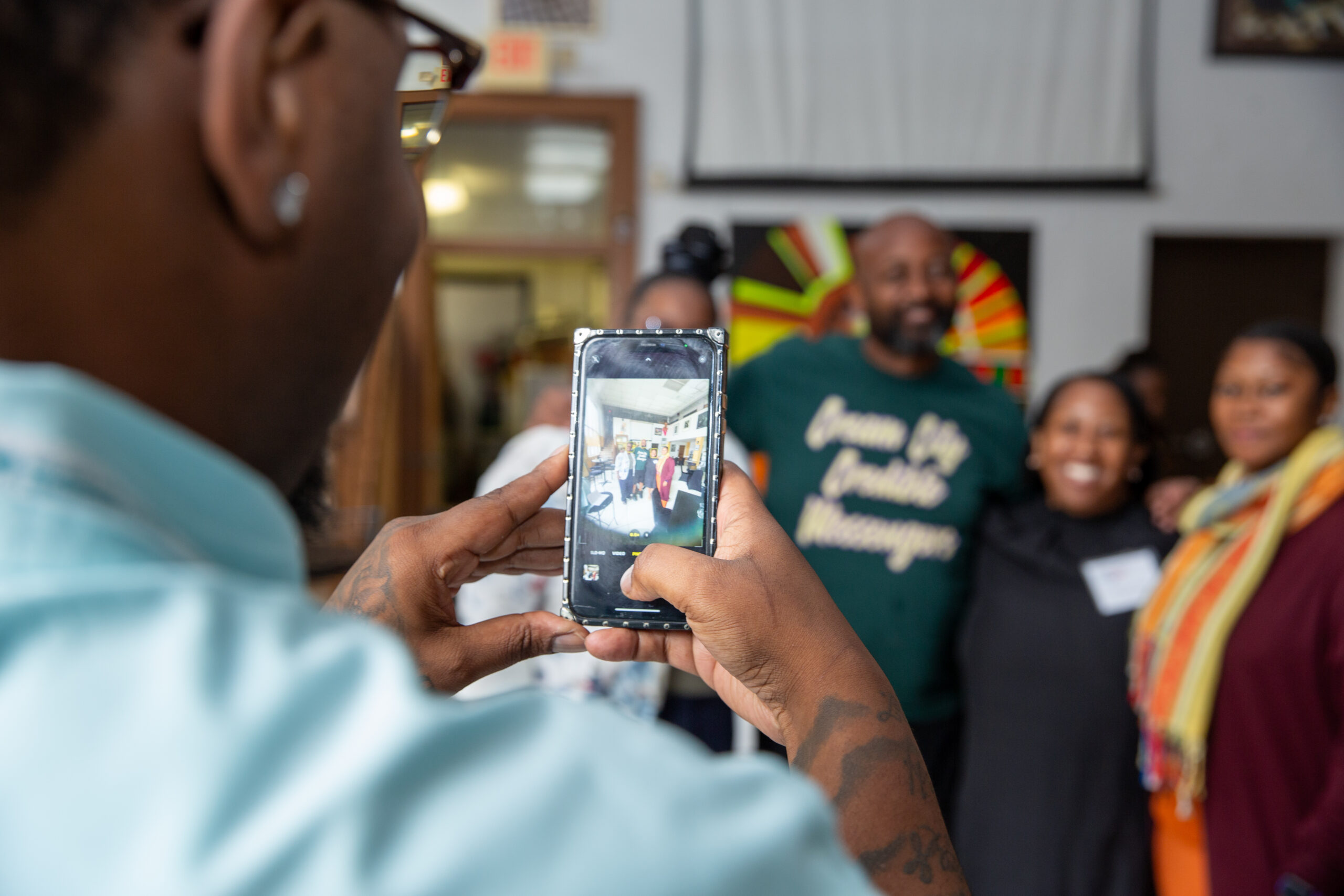
Communities are at the center of the overdose crisis—and at the center of the response. Vital Strategies partners with community organizations, people with lived experience of drug use, and local governments to develop and expand overdose prevention services that are evidence based, equity grounded and sustainable. Community capacity and support strengthen services across geographies and populations—from peer outreach programs that reach people who are using drugs to naloxone distribution networks that put lifesaving medication in the hands of people most likely to use it. We support communities to advocate for and implement services that are science-based and tailored to meet local needs.
These services work, as evidenced by the 58% decline in overdose rates in New Jersey from 2022 to 2025, which translates into thousands of lives being saved. This success is driven by significant investments and new policies to increase community access to harm reduction services such as naloxone distribution, syringe access and community-based treatment. Today harm reduction centers are operating at more than 50 sites across all 21 counties in the state, up from only seven centers before a substantial state policy change in 2022.
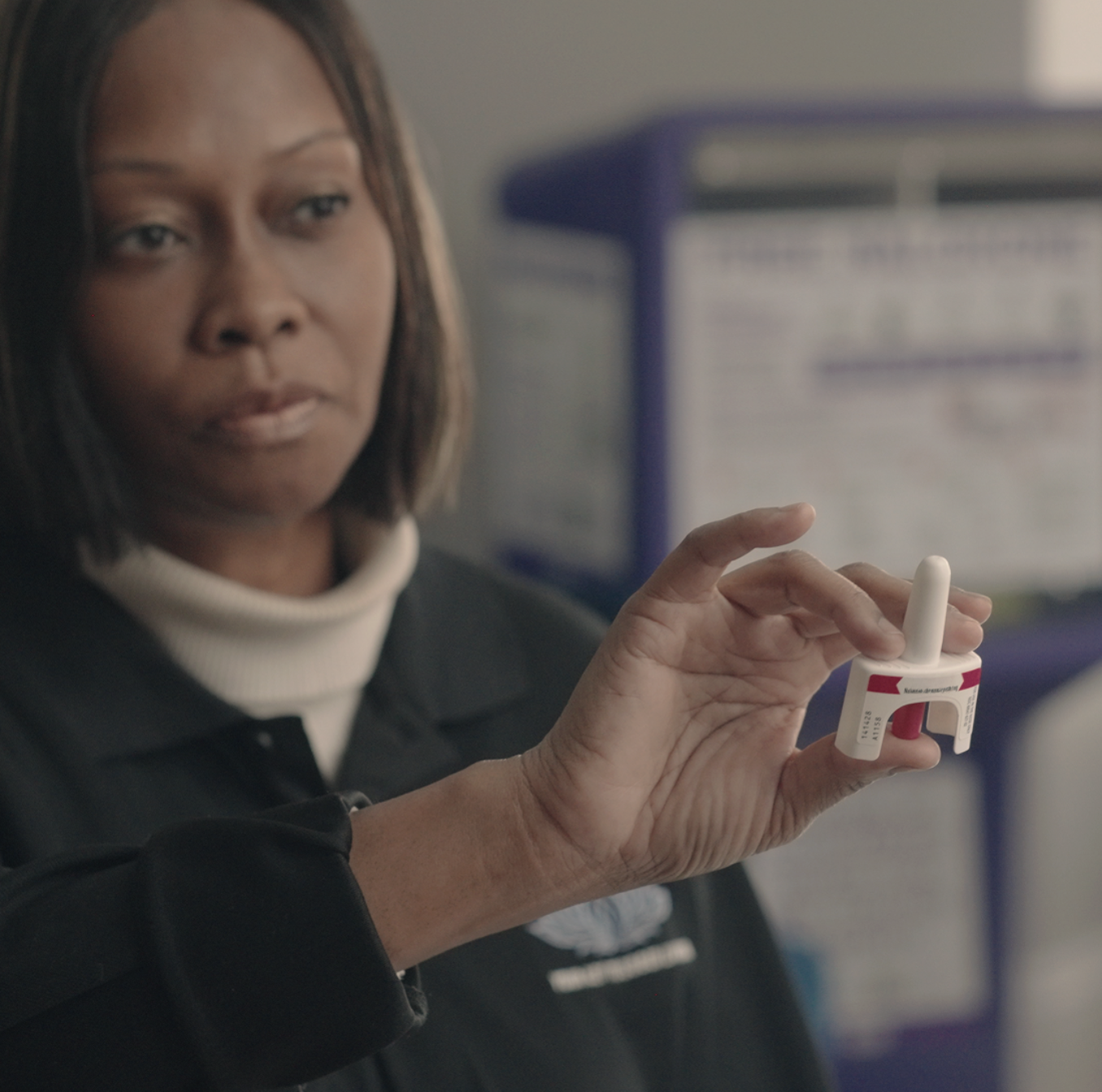
“Power” Campaign Addresses Overdose Rates in Black Communities
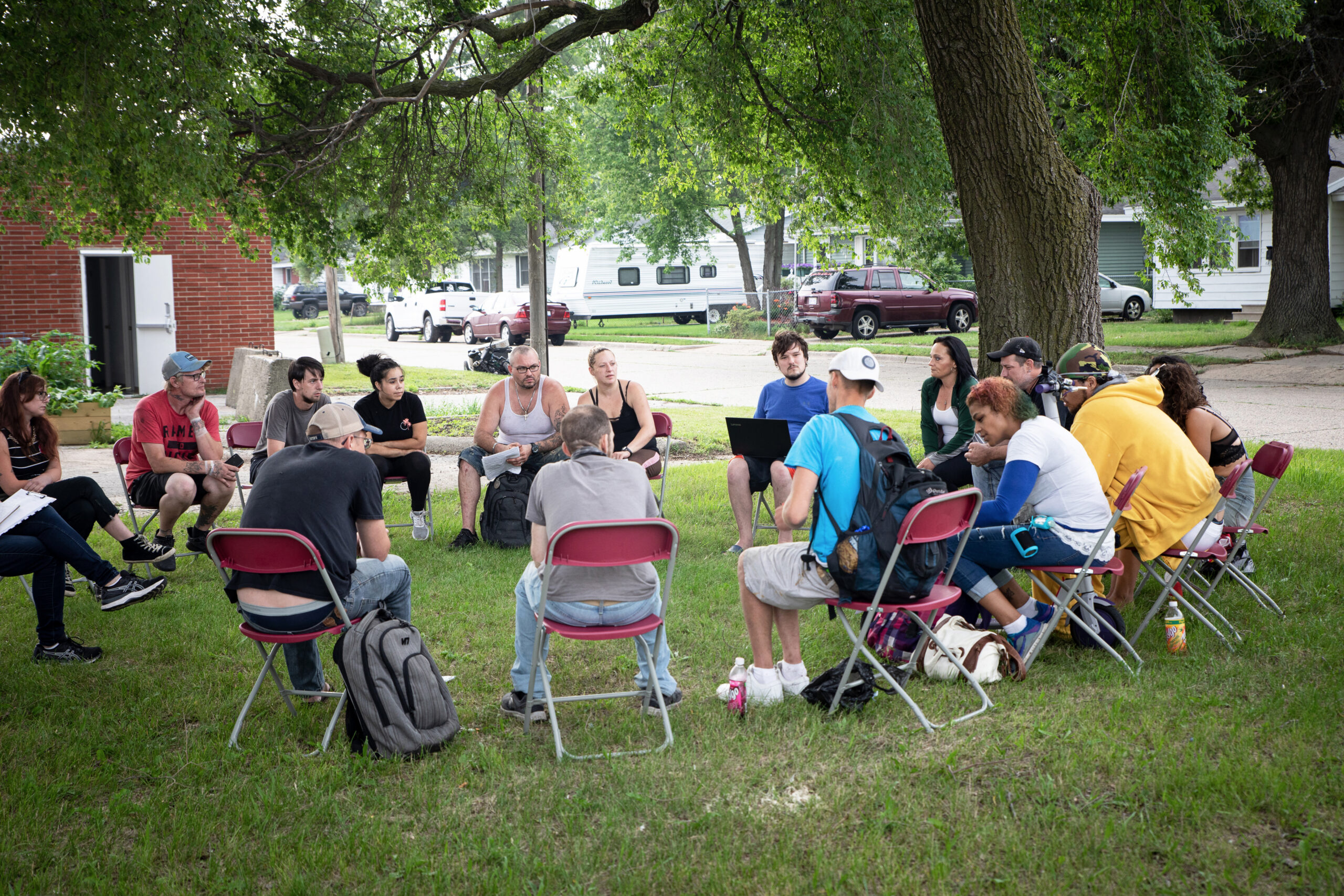
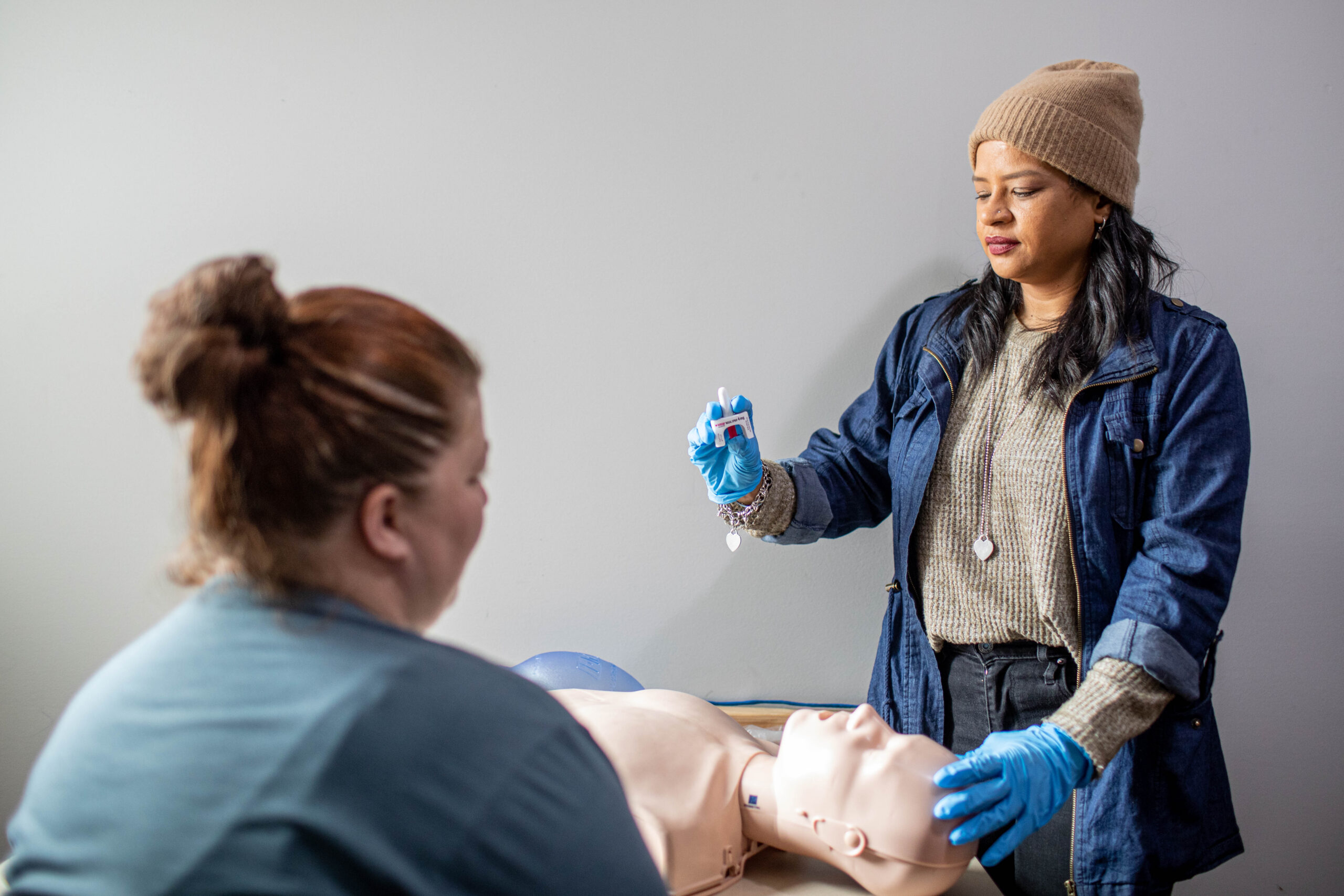
To address the overdose crisis in Black communities, Vital Strategies launched “You Have the Power to Save Lives,” a national communications campaign in March 2025 across seven cities. The campaign generated nearly 1.5 million video views. Black adults who saw the campaign were at least five times more likely to carry naloxone and three times more likely to know where to get it.
Dedicated Resources for Indigenous Communities
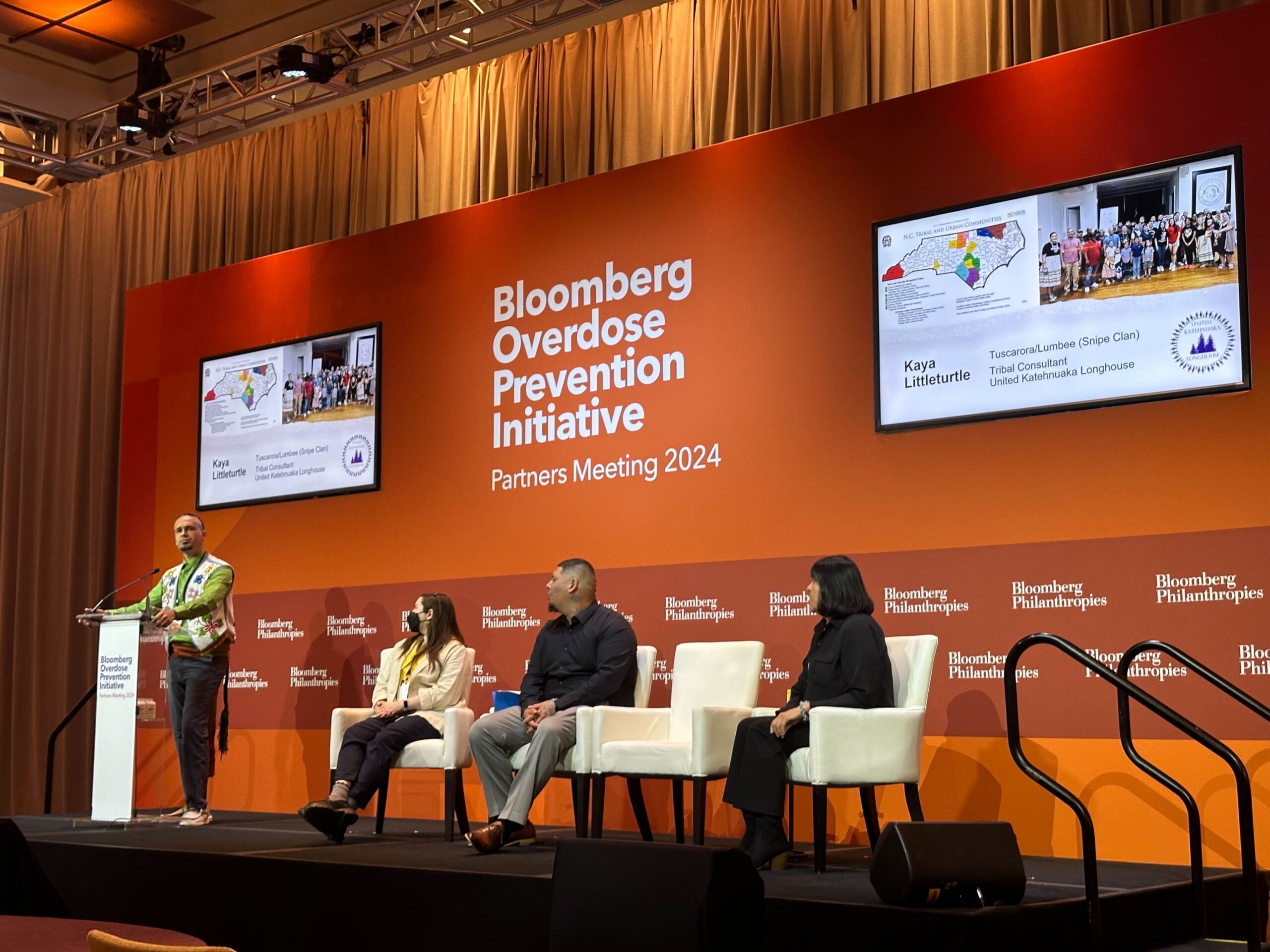
Vital Strategies awarded $1.3 million in targeted grants across Wisconsin to local governments, local health departments in rural areas, tribal governments and other tribally designated entities to establish or expand science-based public health interventions for reducing overdose. Grantees committed to match the awards through investments from their own local or tribal opioid settlement funds. Vital also distributed $1.68 million across New Mexico to Native nations, Tribal health programs, Native-led organizations, and Native-focused initiatives. Projects funded implemented community-based solutions to overdose, centered in Indigenous harm reduction principles and practices.
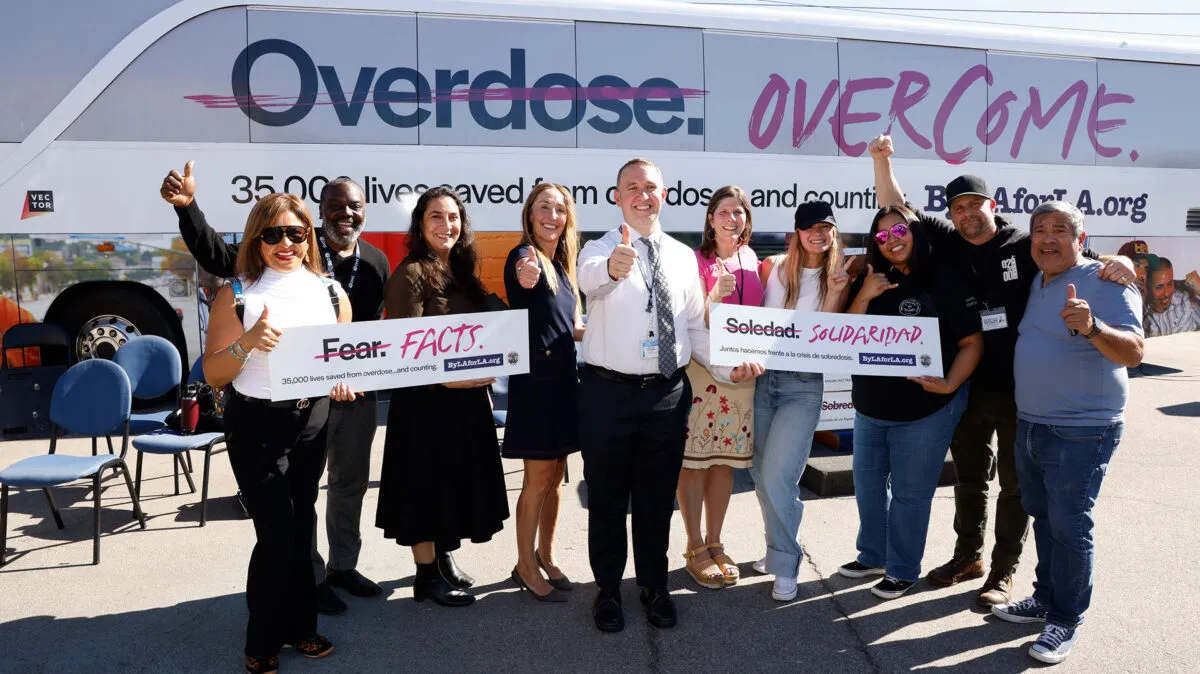
Helping People Rewrite Their Lives in Los Angeles
Rewriting LA County’s Story is a bilingual public education campaign that aims to shift perceptions, foster understanding and connect residents with lifesaving services across prevention, care, treatment and recovery services.