
Training
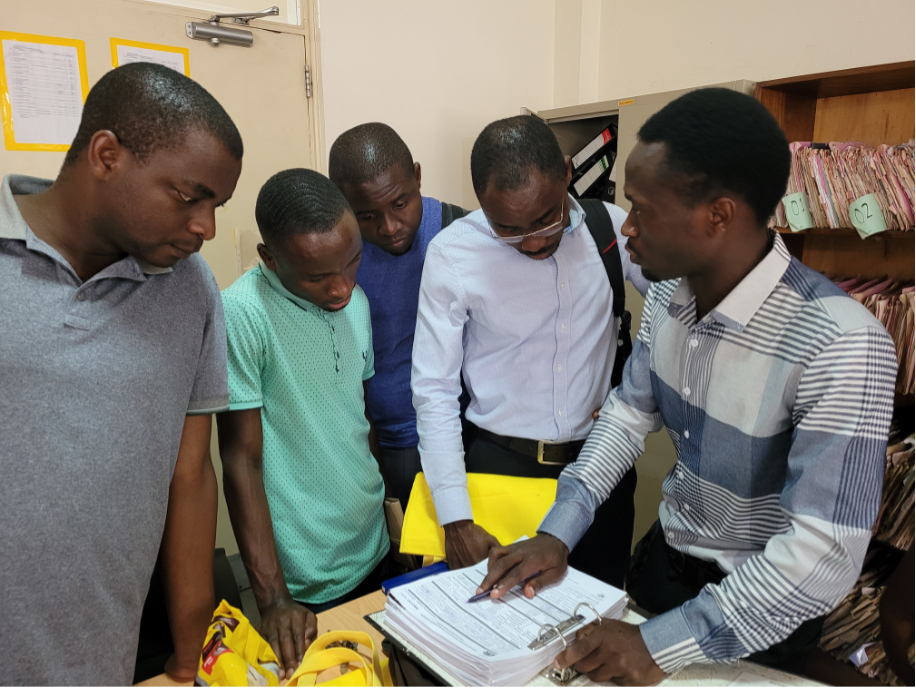
In Tanzania, cancer registrars sift through patient records, coding and classifying each case that will eventually inform national cancer plans. Vital Strategies trains registrars like these—building the local expertise that lets cancer registries produce data governments and clinicians can actually use.
Building a Skilled Cancer Registry Workforce
We equip cancer registry professionals with the skills needed to collect, analyze and use high-quality cancer data.
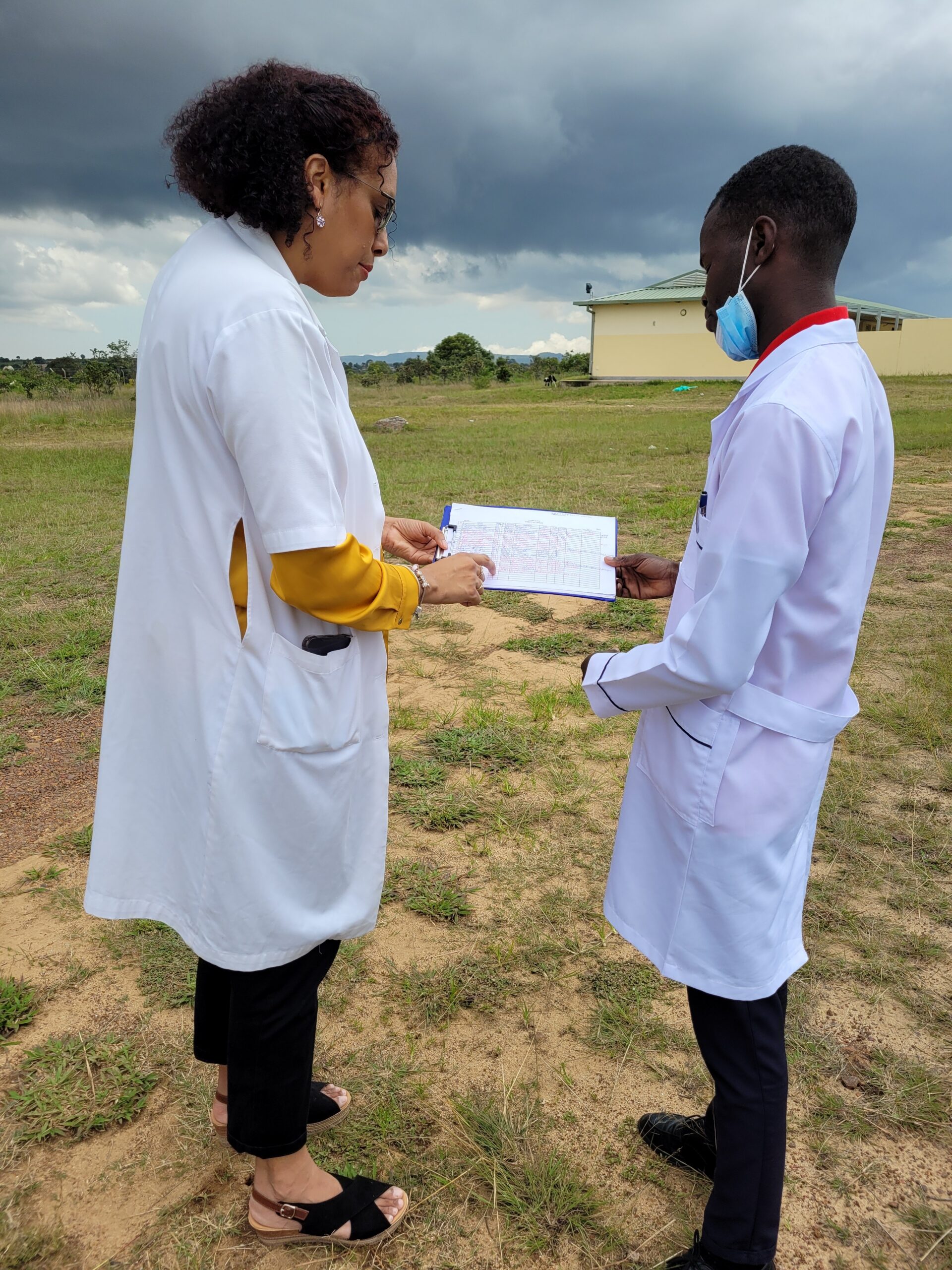
In Angola, Cancer Registry staff recently took part in a hands-on technical support visit—the kind of practical training the Cancer Registry program runs in partner countries to build the skilled workforce that strong cancer registries depend on. The program works with ministries of health and global partners to strengthen workforce capacity through training tailored to each country’s needs.
Training topics include cancer registration methods, coding and classification, staging (assessing how far a cancer has progressed), data quality, data analysis, report production and the use of digital registration systems. Participants gain the skills needed to produce reliable cancer data that can inform cancer control planning and policy.
In addition to in-country workshops, the program supports regional and global learning opportunities that connect cancer registration professionals across countries and regions.
The program helps train both new and experienced registrars through workshops, mentorship and peer learning opportunities. By building local expertise, countries are better positioned to maintain sustainable cancer registration systems and generate the information needed to improve cancer outcomes.
Mentorship and Continuous Learning
Beyond formal training, the program supports mentorship and peer-to-peer learning opportunities that allow registrars to strengthen their skills while working on real-world registry activities. Experienced cancer registration professionals provide ongoing technical support, helping countries address challenges related to data collection, quality assurance, analysis and reporting.
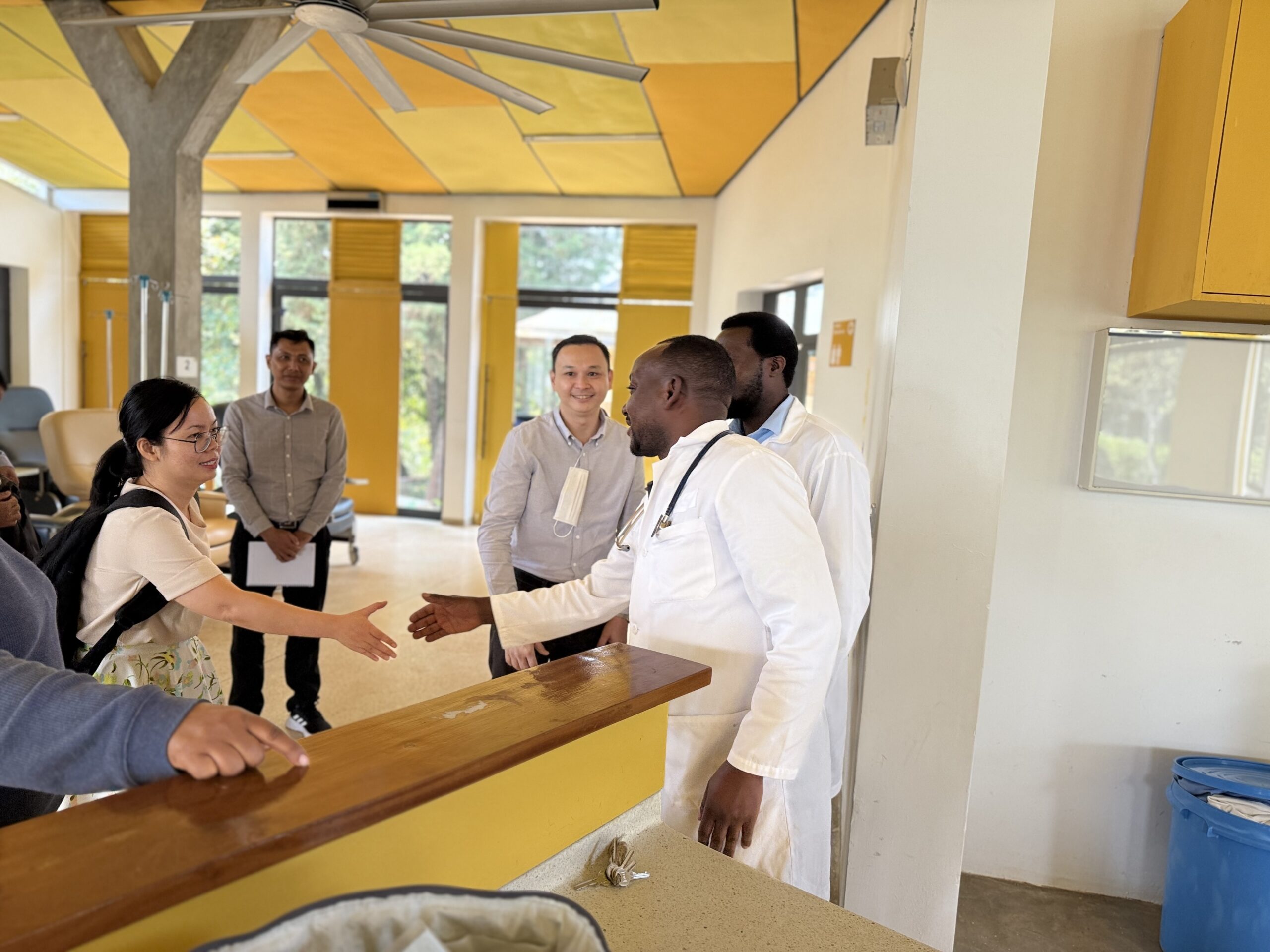
Vital also facilitates this kind of peer learning across borders. Cambodian Ministry of Health officials, for example, recently visited Rwanda to see firsthand how the DHIS2 Oncology Module (a digital tool that pulls cancer case data directly into national health records) works in practice. Exchanges like this let professionals learn from one another and adapt successful approaches to their own countries.
Expanding Global Access
The IARC-GICR (International Agency for Research on Cancer’s Global Initiative for Cancer Registry Development) e-Learning Series provides free, self-paced cancer registration training to learners around the world in English, French, Portuguese and Spanish. Together with in-country workshops and mentorship, these resources help create a global community of cancer registration professionals.
What is the IARC-GICR E-Learning Series?
The E-Learning Series is a free online training course designed to strengthen cancer registration knowledge and skills globally.
What topics are covered in training?
Training covers cancer registration methods, coding, staging, data quality, analysis, reporting and digital systems.
Who can participate?
Participants include cancer registrars, data managers, clinicians, public health professionals and Ministry of Health staff involved in cancer surveillance.