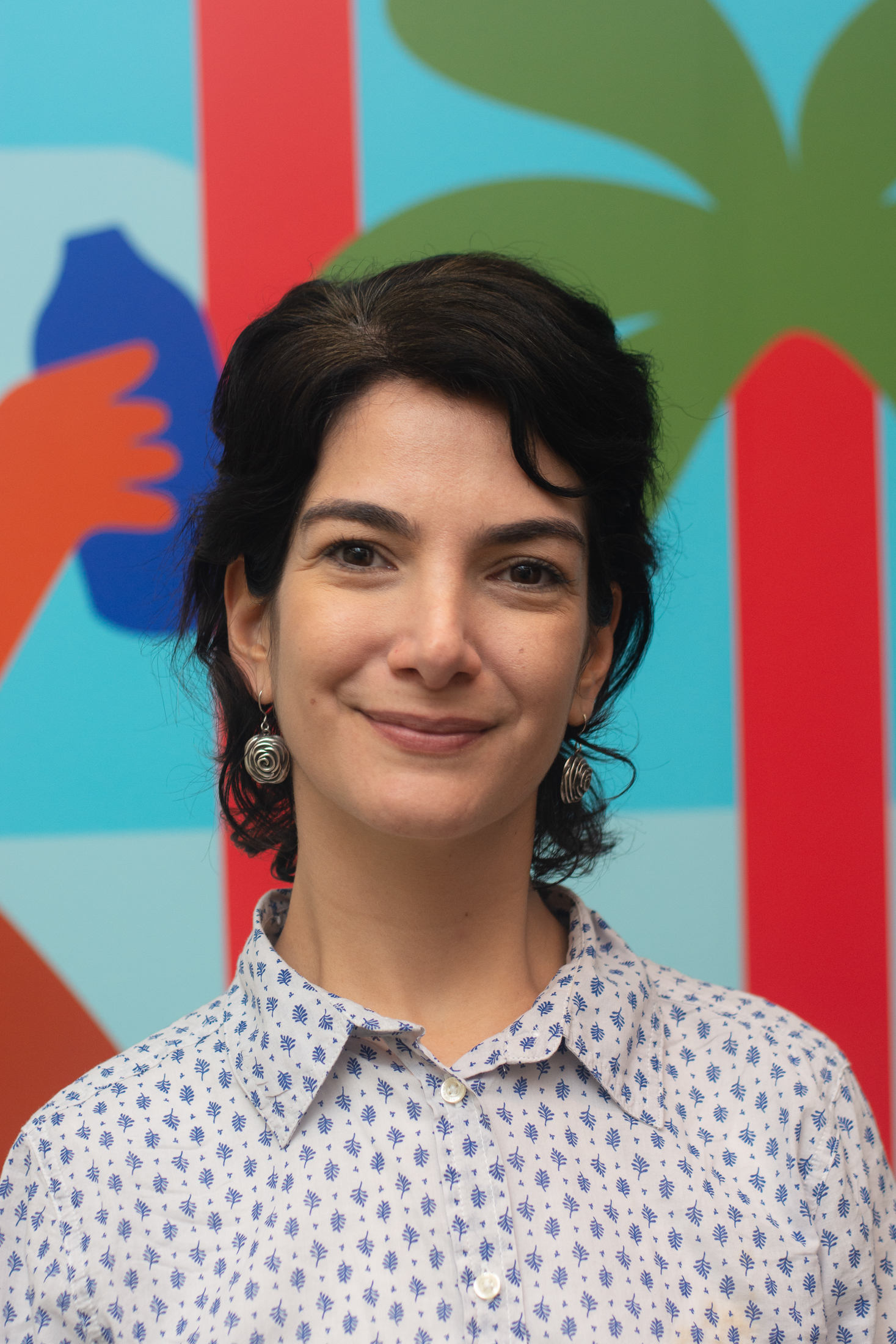
Joana Indjaian Cruz
Joana is a Ph.D. candidate in Law and Healthy Food Regulatory Policies at Nova University of Lisbon’s School of Law. She holds a Master of Laws in Human Rights from the University of São Paulo and a Bachelor of Laws from the Pontifical Catholic University of São Paulo.
With 15 years of professional experience across research, law, and policy, Joana has worked extensively with non-profit civil society organizations and government entities. She also serves as a Guest Lecturer in the Postgraduate Program in Diffuse and Collective Rights at Universidade Nove de Julho (UNINOVE) in Brazil.
Previously, she conducted research at USP’s Schools of Medicine and Public Health and spent five years with the ACT Health Promotion legal team, driving strategic litigation and advocacy for obesity prevention and healthy food policies. A former counselor at Brazil’s National Health Council and member of the Supplementary Health Chamber, Joana connects her doctoral research with her extensive background in health rights, consumer defense, and third-sector law to improve Brazil’s food environment.
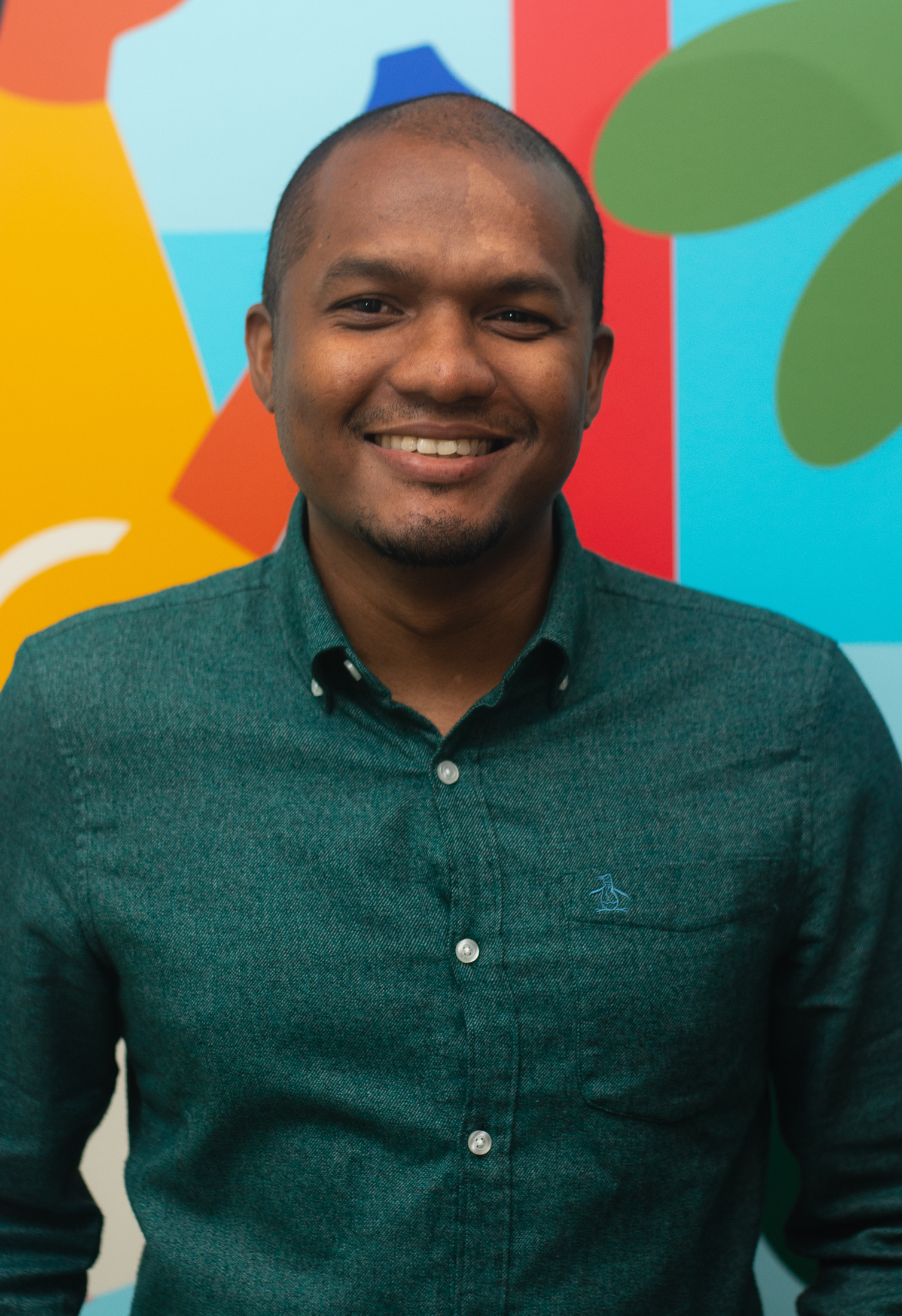
Deivis Nicolás Guzmán-Tordecilla
Deivis Nicolás Guzmán-Tordecilla is a health economist and faculty member at the Johns Hopkins Bloomberg School of Public Health, where he holds the appointment of Assistant Scientist in the Department of International Health. His research focuses on the design and evaluation of public policies affecting health, nutrition, and health equity in low- and middle-income countries. He applies health economics, econometrics, causal inference, economic evaluation, and machine learning to generate evidence for public-sector decision-making.
Guzmán-Tordecilla’s research on food and health policy examines the effects of cash-transfer programs, food and alcohol taxes, food-marketing practices, and other commercial determinants of health. His work has provided evidence on how cash transfers and their payment design affect diet quality, how alcohol-tax design influences consumption and harmful use, and how advertising-market structures may disadvantage healthier foods. His broader research examines health-system performance, access to care, injury prevention, and the use of artificial intelligence to improve the allocation of limited public-health resources. His research has been published in journals including Health Economics, World Development, Journal of Public Policy and Marketing, The Lancet Global Health, Social Science & Medicine, and the Bulletin of the World Health Organization.
His work has received recognition from the International Health Economics Association, including an Honorable Mention in the 2025 iHEA Student Paper Prize. His other honors include the 2026 Thesis Research Publication Award from the Johns Hopkins Department of International Health, the Johns Hopkins Bloomberg School of Public Health AI Research Day 2026 Postdoctoral Fellow Award, and induction into Delta Omega, the honorary society for public health.
He previously advised Red PaPaz on healthy-food policies in Colombia and has contributed to research and policy discussions concerning food labeling, healthy school food environments, food and beverage taxation, and marketing regulation. Guzmán-Tordecilla holds a Ph.D. in Health Systems and Health Economics, from Johns Hopkins University; an M.P.H. from Universidad de los Andes; and a degree in nursing from Universidad Tecnológica del Chocó.
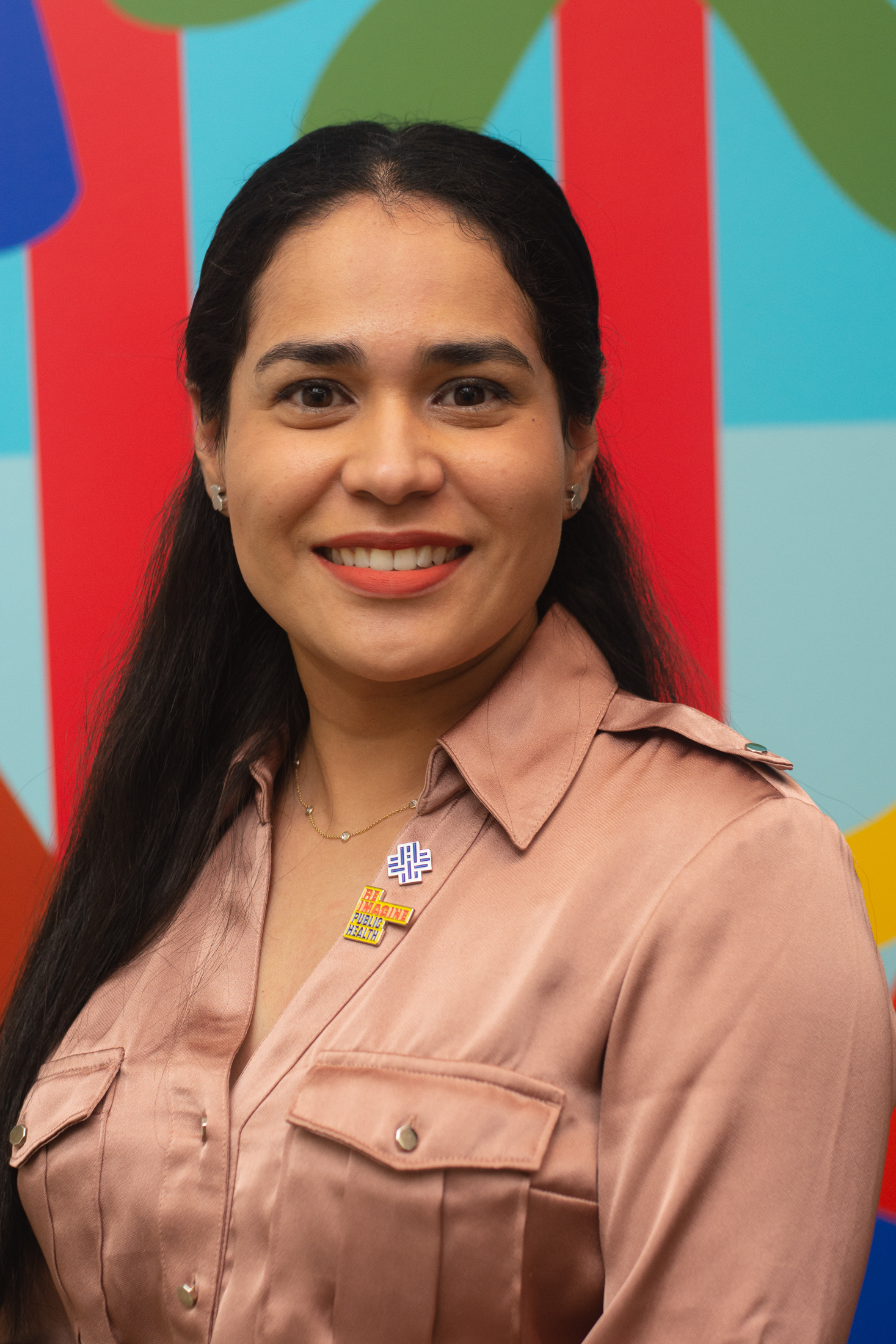
Claudia Nieto
Claudia Nieto is currently a Medical Sciences Researcher in the Department of Epidemiological Surveillance at the Instituto Nacional de Ciencias Médicas y Nutrición Salvador Zubirán, where she researches food policies in Mexican primary schools, with a particular focus on food insecurity and children’s consumption of unhealthy foods. She also proudly serves as a peer mentor for the Healthy Food Policy Fellowship, supporting early-career researchers as they navigate their PhD training and develop their careers in food policy.
Claudia Nieto graduated with honors from the PhD program in Nutrition and Population at the Mexican National Institute of Public Health. She holds two master’s degrees: an MSc in Public Health Nutrition from the University of Southampton and a master’s degree in Epidemiology from the National Autonomous University of Mexico (UNAM). She also holds a bachelor’s degree in Nutrition and Wellness from Tecnológico de Monterrey.
Her research experience includes assessing the nutritional content of ultra-processed foods, assessing dietary sodium intake and estimating sodium reduction targets, examining consumers’ understanding of nutrition labeling systems, and monitoring the marketing of unhealthy foods and beverages. She has served as a consultant for UNICEF on digital marketing of unhealthy foods and beverages and for the World Health Organization on global and Latin American sodium reduction targets. She has also contributed to the International Network for Food and Obesity/NCDs Research, Monitoring and Action Support. Claudia has assessed the Mexican government’s efforts to create healthier food environments using the Healthy Food Environment Policy Index and participated in working groups supporting the development of Mexico’s front-of-package warning labels.
Margarita Otero Alvarez
Margarita is a PhD student in Public Health at the University of Nevada-Reno, where she conducts research on commercial determinants of health, with a particular interest in how food and nutrition policymaking processes can be insulated from conflicts of interest and industry interference.
Her interest in the field began early in her career, when she supported advocacy efforts for the adoption of best-practice front-of-pack labeling in her home country, Mexico. Margarita later collaborated with the Pan American Health Organization (PAHO), contributing to capacity-building materials that help countries across the Americas design and implement best-practice food and nutrition policy. These experiences continue to guide her research, which is driven by a commitment to supporting advocacy and promoting healthier food systems through stronger policies.
Margarita holds a Master’s degree in Public Health with an emphasis on Health Policy and Administration from the same institution. Her dissertation work will focus on the political and economic pressures that enable industry interference in international food standard-setting processes at Codex Alimentarius.

Evelyn Marlene Núñez González
Evelyn is a PhD candidate of the development studies program at the Institute of Development Studies of the University of Sussex. She holds a master’s degree in communication and educational technologies from the Latin-American Institute of Educative Communication, an International Diploma in Public Policies from FLACSO Mexico, and a bachelor’s degree in design and visual communication from UNAM.
Evelyn is a human rights and public policy professional with 20 years of experience advocating for children’s rights, and healthy food policies. She has an extensive experience working with underrepresented communities to develop advocacy strategies, public policies, educational programs, and capacity-building initiatives.
She was a public policy coordinator at El Poder del Consumidor in Mexico, where she developed advocacy strategies to support food and health reforms in Mexico. She has also represented the Alliance for Healthy Food and the Parliamentary Front Against Hunger in national and international policy forums.
Her PhD thesis focuses on analysing the policy process for Oaxaca’s regulation to discourage the consumption of unhealthy products. As a novel approach, the study will look at the groups of policy actors and children aged 9 to 11 as primary beneficiaries. This case is particularly critical due to the increasing trends and prevalence of childhood obesity, the potential of children’s rights to compel governmental and non-governmental groups to consider the impact of their decisions on children’s lives.
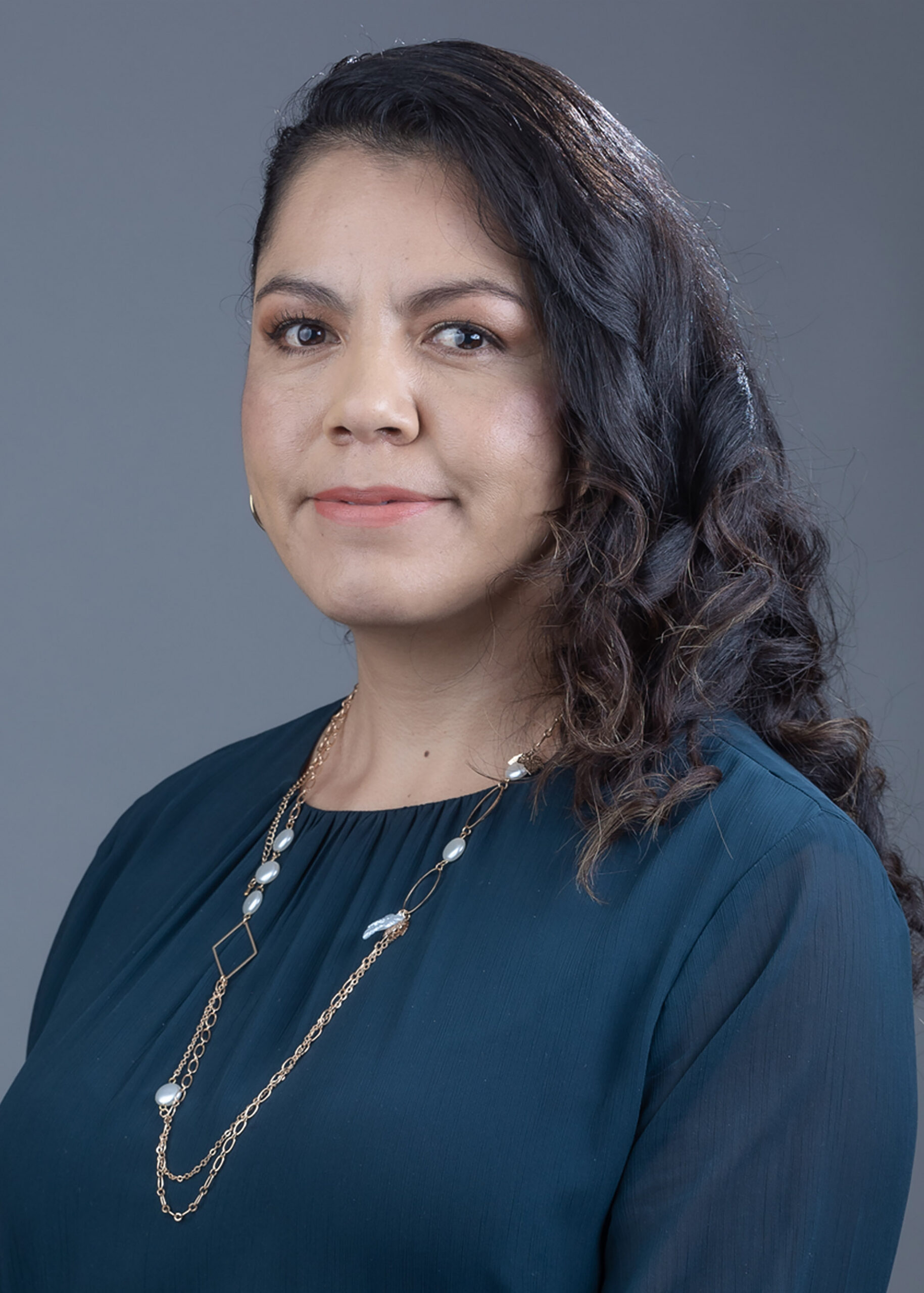
Christopher Laurie
Christopher Laurie is a researcher and health policy advocate from Barbados pursuing a PhD in Prevention Science and Community Health at the University of Miami. His current research focuses on health literacy and its influence on obesity outcomes using implementation science and mixed-methods approaches. Christopher has a Master’s degree in Medical Anthropology from the University College London and further training in public health from The University of West Indies. His interests include community-based interventions, chronic disease mitigation and protections for vulnerable communities. He has worked in Barbados to advance health-promoting policies focused on childhood obesity prevention and mental health and continues to contribute to regional Caribbean policy initiatives with the Healthy Caribbean Coalition.
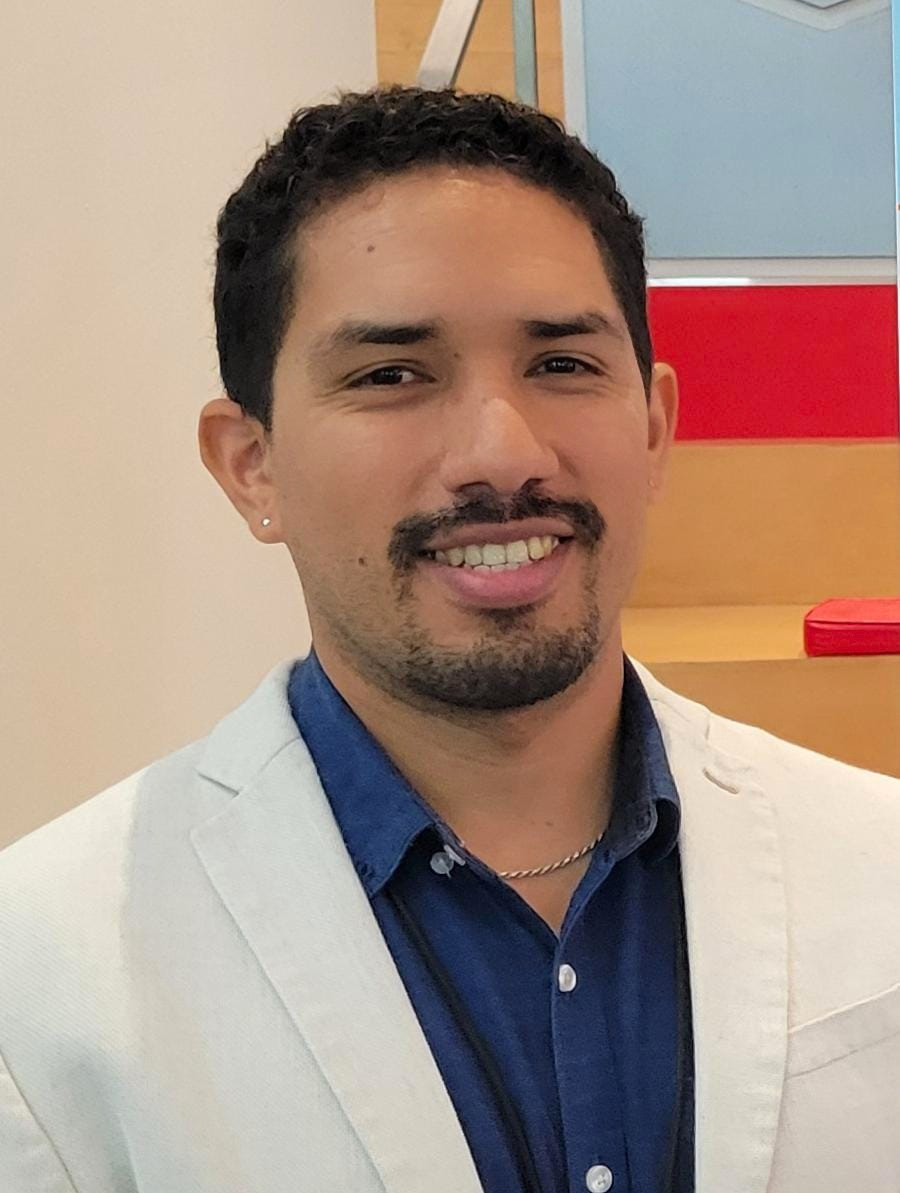
Rasheed O. Perry
Rasheed O. Perry is a nutrition researcher and educator whose work focuses on improving food and nutrition security and reducing diet-related health inequities. He is a PhD candidate in Nutrition and Dietetics at New York University’s Steinhardt School of Culture, Education, and Human Development, where he also earned an MPhil in Nutrition and Dietetics. At NYU, he serves as an adjunct instructor and contributes as a research assistant to studies evaluating Food Is Medicine interventions for households with low incomes and individuals living with end-stage kidney disease.
His dissertation research evaluates the feasibility, implementation, and acceptability of an online-supported medically tailored grocery delivery program for households with low incomes and young children. More broadly, his work examines Food Is Medicine interventions, food and nutrition security, dietary behaviors, and equitable access to nutritious foods among populations experiencing socioeconomic disadvantage and chronic health conditions. He is particularly interested in developing practical, culturally responsive interventions and policies that can reduce diet-related health inequities.
Before joining NYU, Rasheed served as a Lecturer, Wellness Centre coordinator, and Food scientist within the School of Allied Health and Wellness at the University of Technology, Jamaica. He earned a BSc in Dietetics and Nutrition and an MSc in Public Health Nutrition from the university. He has contributed to several research initiatives, including the Improving Household Nutrition Security and Public Health in CARICOM Project and the National Front-of-Package Labelling Jamaica Project. His published research addresses food security, infant and young child feeding, dietary patterns, and public health nutrition.
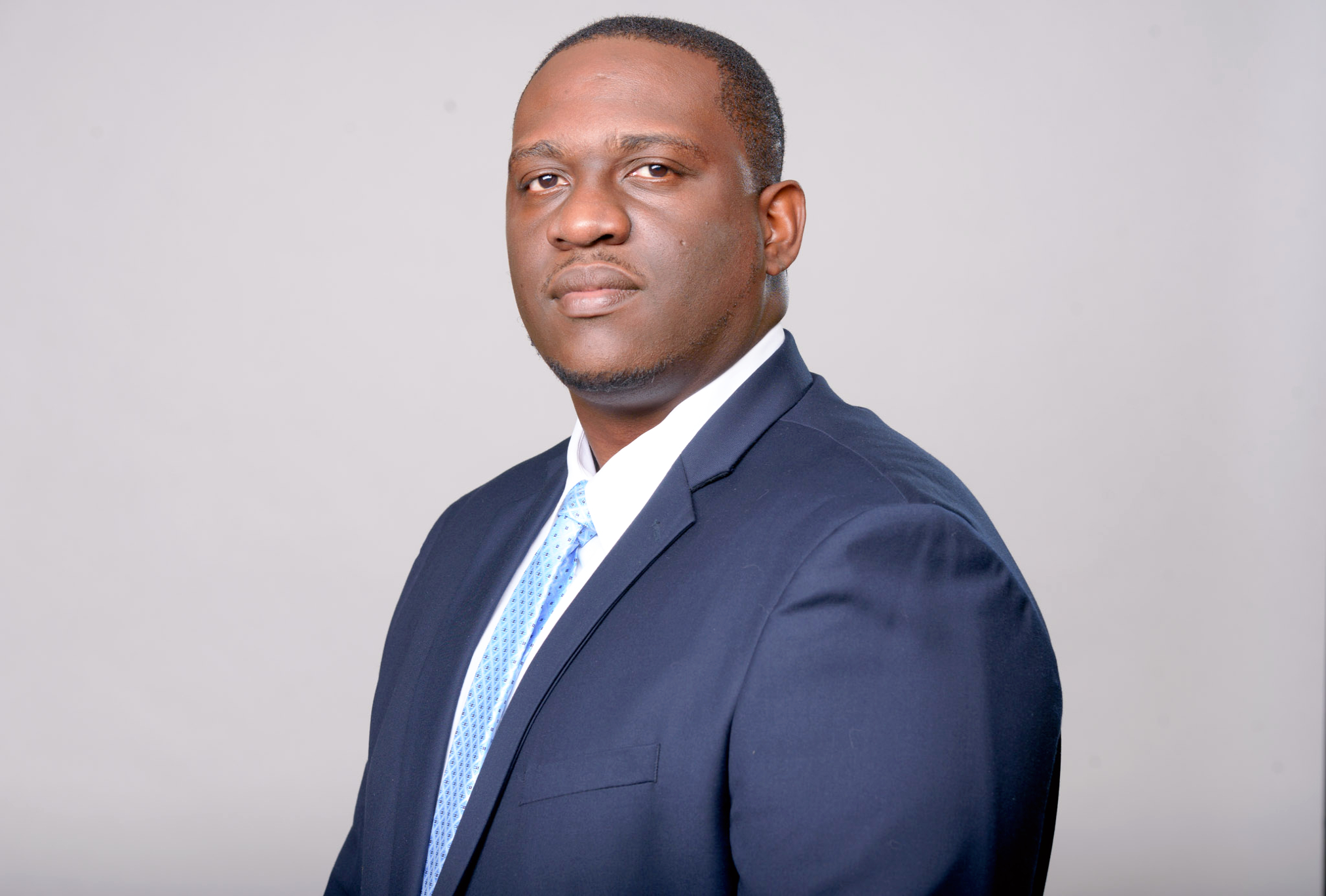
Paola Rueda-Guevara
Paola is a PhD candidate in Demography and Sociology at the University of Pennsylvania and an affiliated researcher at the Max Planck Institute for Demographic Research. She holds a master’s degree in Demography from the University of Pennsylvania and a master’s degree in Epidemiology and Public Health from Universidad de los Andes in Colombia. She is a Dietitian by training and has additional training in public policy analysis.
Before starting her doctoral studies, she worked across academic, governmental, and research institutions in Colombia, with experience spanning public health research, epidemiological surveillance, nutrition, and public policy. At Fundación Santa Fe de Bogotá, she conducted research on breastfeeding, malnutrition, food security, and health inequalities, contributing to research and public health guidance for the prevention and management of childhood stunting, and the evaluation and implementation of Colombia’s public health policies. She also worked as a public policy analyst evaluating public health programs and policies.
Her research focuses broadly on health inequalities and the social determinants of health, with a particular interest in population health. Her work has examined the double burden of malnutrition and socioeconomic inequalities in Colombia, maternal and child nutrition, food security, migrant health, and life-course relationships between nutritional status and health. Her long-term research goal is to integrate nutrition, epidemiology, and demography to understand how social and structural conditions generate inequalities in nutrition and health across the life course. She aims to produce evidence that can inform public health policies and interventions to reduce health inequalities and improve population health.
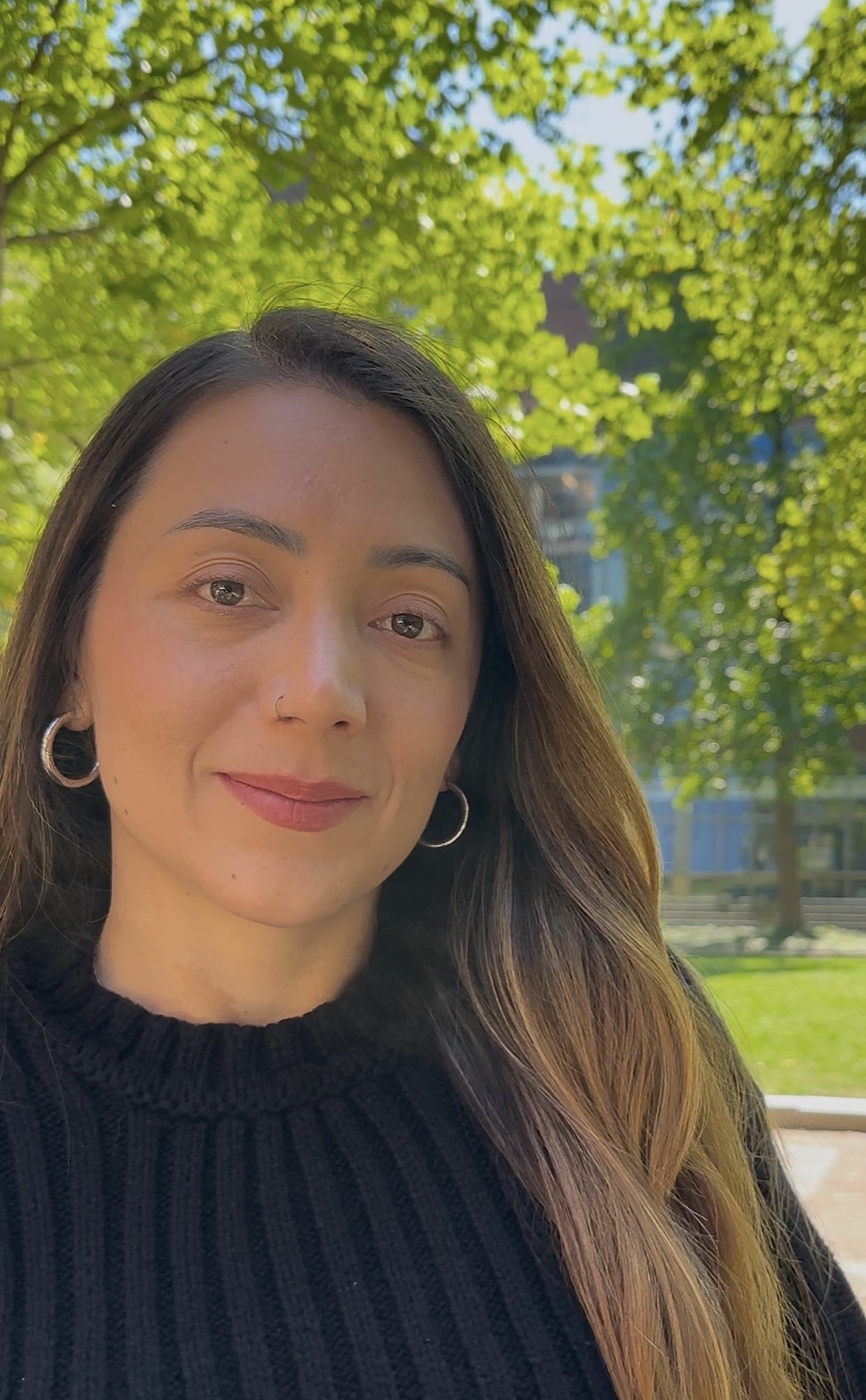
Stephanie Whiteman
Stephanie Whiteman is an Assistant Lecturer in Public Health in the Faculty of Medical Sciences at the University of the West Indies, Cave Hill. She has over seven years of experience in public health research and advocacy. She is currently pursuing a PhD in Epidemiology and is a recipient of the Vital Strategies Healthy Food Policy Fellowship. In 2016, she earned her Bachelor’s degree in Health Science from Lock Haven University. Then in 2018, she obtained a Master of Public Health with Distinction from the UWI, Cave Hill.
Stephanie has worked on several public health research projects. Her work primarily focuses around two main topic areas, food environments and mental health. She has experience using quantitative methods, qualitative methods, GIS, mixed method approaches and group model building as part of her work.
Apart from her research roles, Stephanie is also a passionate youth advocate frequently collaborating with the Healthy Caribbean Coalition, NCD Child and UNICEF and PAHO. She continues to be an advocate for meaningful youth engagement and participation. She is also the Co-Chair of the Global Mental Health Action Network – Data and Research Working Group and a member of the Voices of SIDS Steering Committee.

Alice Scaria Khan
Alice Scaria Khan is pursuing her Ph.D. in Public Health at the University of the Western Cape, South Africa. She earned two undergraduate degrees: in Computer Science from the University of Transkei and in Food and Nutrition (cum laude) from the University of South Africa. She holds a master’s degree in public health nutrition from the University of the Western Cape.
Alice is currently a researcher at the School of Public Health and Department of Science and Innovation/National Research Foundation Centre of Excellence in Food Security at the University of the Western Cape. She has worked on analyzing child-directed marketing strategies used on packaging for South African ready-to-eat breakfast cereals and assessing the cereals’ nutritional content. She was further involved in the nutrition facts panel project supporting research on front-of-package labels. She is involved in researching the extent of social media marketing of foods and beverages through influencers and exploring food and beverage advertisement on television.
Her Ph.D. thesis will examine food marketing in the school environment and adolescents’ exposure to and perceptions of marketing. Essentially, her research will advise on marketing strategies used by the food and beverage industry to inform food policies that enable a healthy food environment in South Africa.
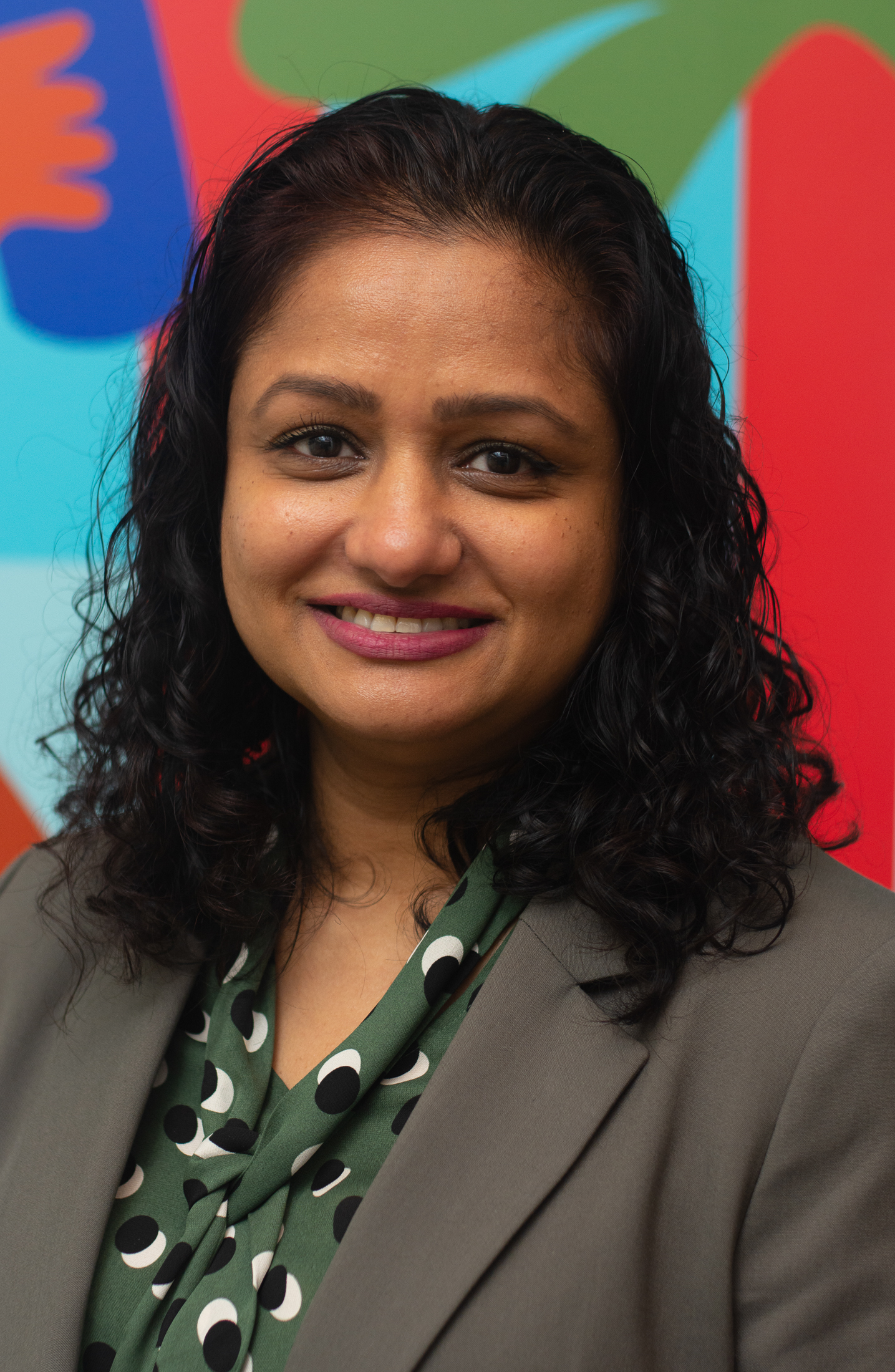
Jenny Faisury Peña Varón
Jenny Faisury Peña Varón is pursuing a Ph.D. in Health at the Universidad del Valle, Colombia. She is currently an assistant professor and researcher in the research group in the Epidemiology and Population Health Department of the School of Public Health at the Universidad del Valle. She is an activist in defense of the right to food and is part of the Colombian Academic Network for the Right to Food and Adequate Nutrition (DHANA).
She graduated with a Master of Public Health and previously obtained a degree in geography with an emphasis on land use planning. Through a scholarship, she completed specialization studies in public policies for equality in Latin America. Jenny has participated in different research projects related to Food Security and Food Sovereignty and has worked as an advisor in the design and implementation of public policies and public health interventions focused on improving the nutritional conditions of the population in different territories of the country.
Her research interests are focused on analyzing, from a territorial approach, the different food environments to which the population is exposed and the existing social inequalities in terms of access and availability of food. Her PhD research aims to analyze the accessibility of natural food sales in relation to the daily mobility of urban populations. The results will provide knowledge for the planning of urban environments to improve food accessibility conditions for different population groups.
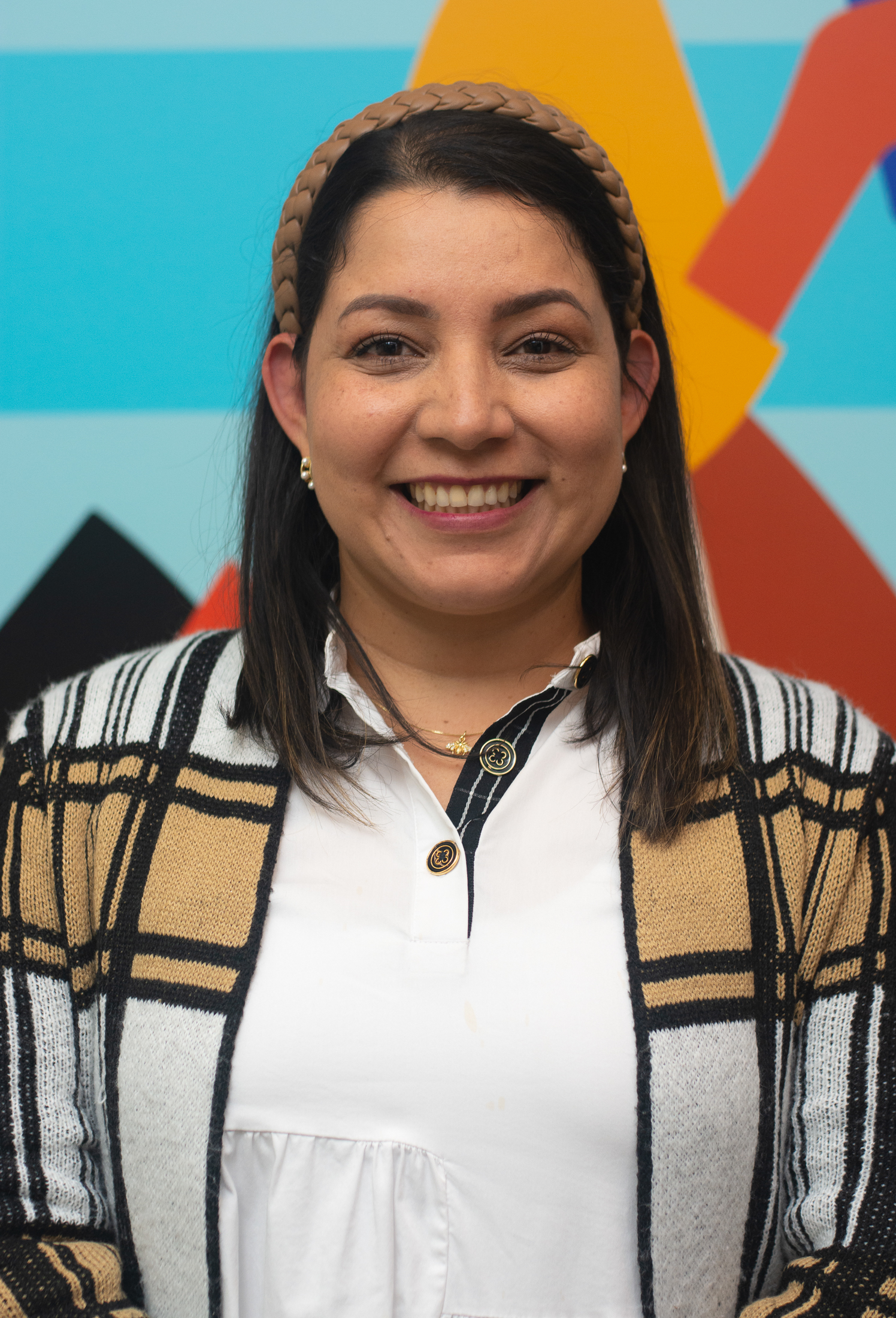
Ornella Moreno-Mattar
Ornella Moreno-Mattar is pursuing a Ph.D. in Political and Social Science at the Pompeu Fabra University in Barcelona and is currently a researcher for the Group on Health Inequalities, Environment – Employment Conditions Network (GREDS-EMCONET) and the Johns Hopkins University – Pompeu Fabra University Public Policy Center. She has a bachelor’s degree in health administration from the University of Antioquia (Colombia). She holds two master’s degrees, one in Government and Public Policy from the Externado University in Colombia and the second in Political Science from the Autonomous University of Barcelona.
Ornella has worked in different government institutions in Colombia, such as the Ministry of Health, the Food and Drug Surveillance Institute (INVIMA), the Institute for Health Technology Assessment (IETS) and, more recently, in the Directorate of Regulation of the Colombian Ministry of Trade, Industry and Tourism. Her contribution has always been on citizen participation, the formulation of health policies, and the development and analysis of health economics tools.
Her current research project aims to measure and analyze the cost-equity of public and collective health interventions to mitigate the impact of chronic diseases. This study aims to recognize the extent to which these policies contribute to improving the overall population’s health and, simultaneously, can impact reducing health inequities.
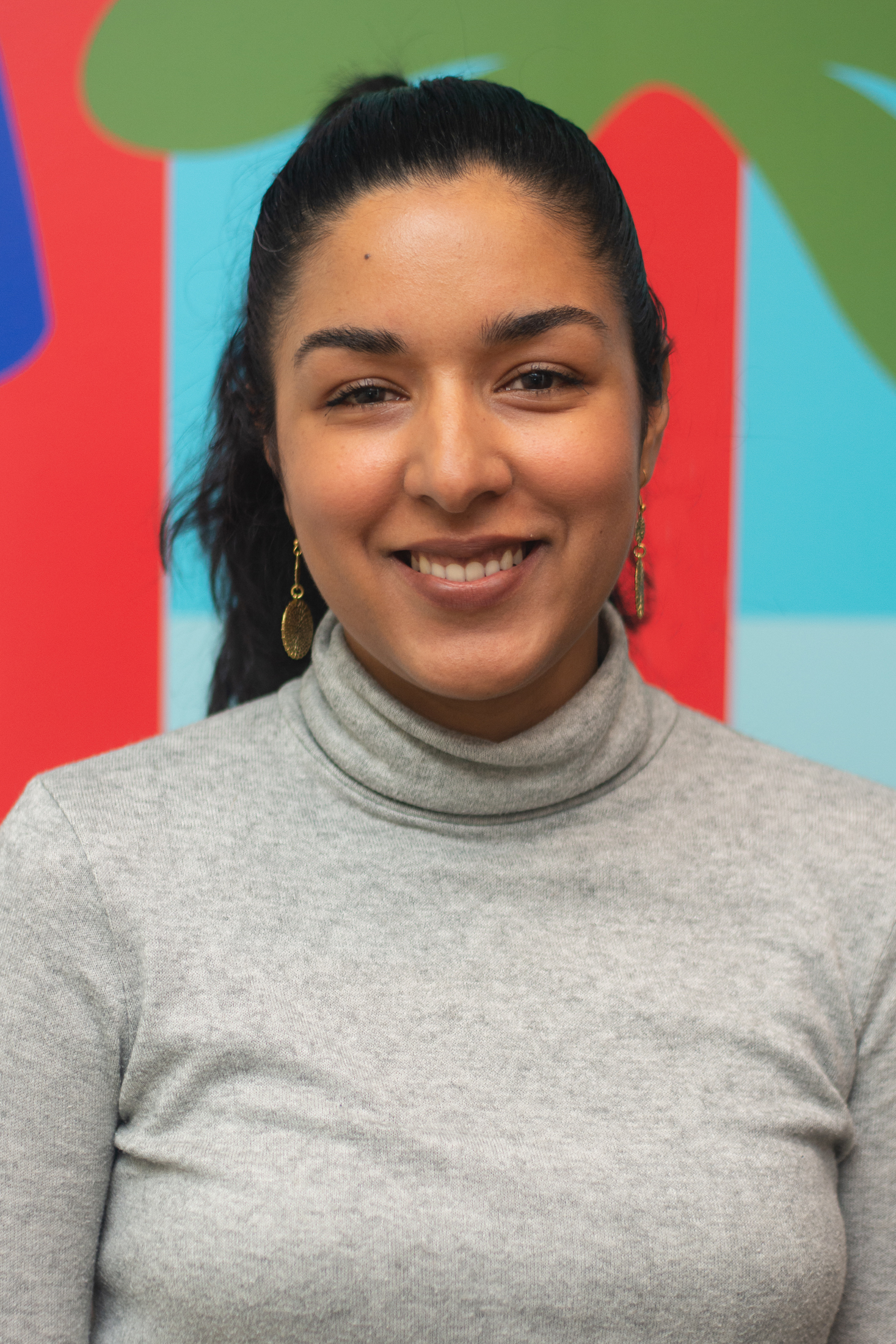
Trish Muzenda
Trish Muzenda is a Ph.D. student in the Global Diet and Physical Activity Research Group at the University of Cambridge, United Kingdom. Her research seeks to understand how governance, environmental and consumer factors influence the obesogenicity of the informal food retail sector in low- and middle-income country contexts.
Trish holds a BSc in Biochemistry and Microbiology (Rhodes University, South Africa), BSc (Hons) in Biochemistry (Rhodes University), and a Master of Public Health in Epidemiology (University of Cape Town, South Africa). Before starting her Ph.D., Trish was a junior research fellow at the University of Cape Town’s Research Initiative for Cities Health and Equity (RICHE). There she worked on a project exploring the evolution of physical activity policies between 2000 and 2019, a literature review of the tools and techniques used to map and characterize food and physical activity environments in low- and middle-income countries, and a synthesis of the epidemiological tools used in measuring adolescent food and physical activity behavior.
Trish’s work is motivated by the recognition that sub-Saharan Africa faces a myriad of interconnected and complex urban health challenges that require transdisciplinary and intersectoral efforts to understand their causes and develop feasible solutions to address them.
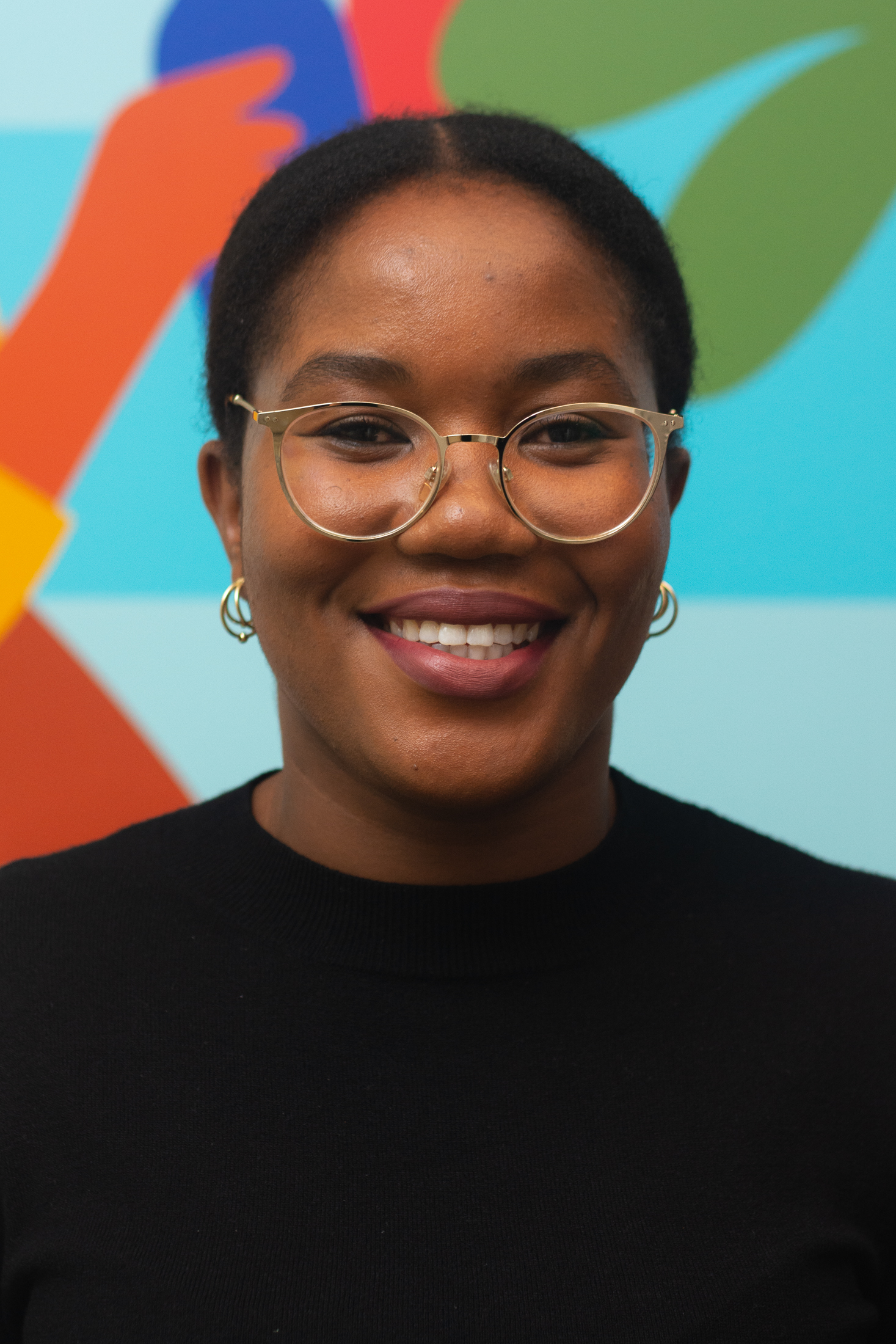
Shaniek Parks
Shaniek is pursuing a doctorate at the University of Oxford’s Nuffield Department of Population Health.Her research looks at the impact of digital communication on food-related health behaviours of young adults in her home country, Jamaica, and the United Kingdom.
Young adults have a strong reliance on online platforms, possess purchasing power and are at a key stage in developing independent food preferences and eating behaviors that will persist for a lifetime. Shaniek believes that understanding factors influencing food decisions, specifically related to digital communication, may inform risk communication, support policy implementation, and identify interventions to encourage healthy eating habits to combat the obesity epidemic.
Shaniek has over 13 years of experience in strategic communication, digital communication, reputation and stakeholder management, media relations and messaging. She holds a Master of Arts in International Communication from the University of Leeds and a Bachelor of Arts in Media and Communication from the University of the West Indies in Jamaica. Before starting her doctoral studies in the United Kingdom, Shaniek worked as a communication consultant at the Pan American Health Organization/World Health Organization office serving Jamaica, Bermuda and the Cayman Islands.