Lead Poisoning Prevention
Lead poisoning affects 1 in 3 children globally, impairing brain development, limiting learning and contributing to lifelong health concerns. However, lead poisoning is preventable. We provide data to help governments implement effective policies and interventions.

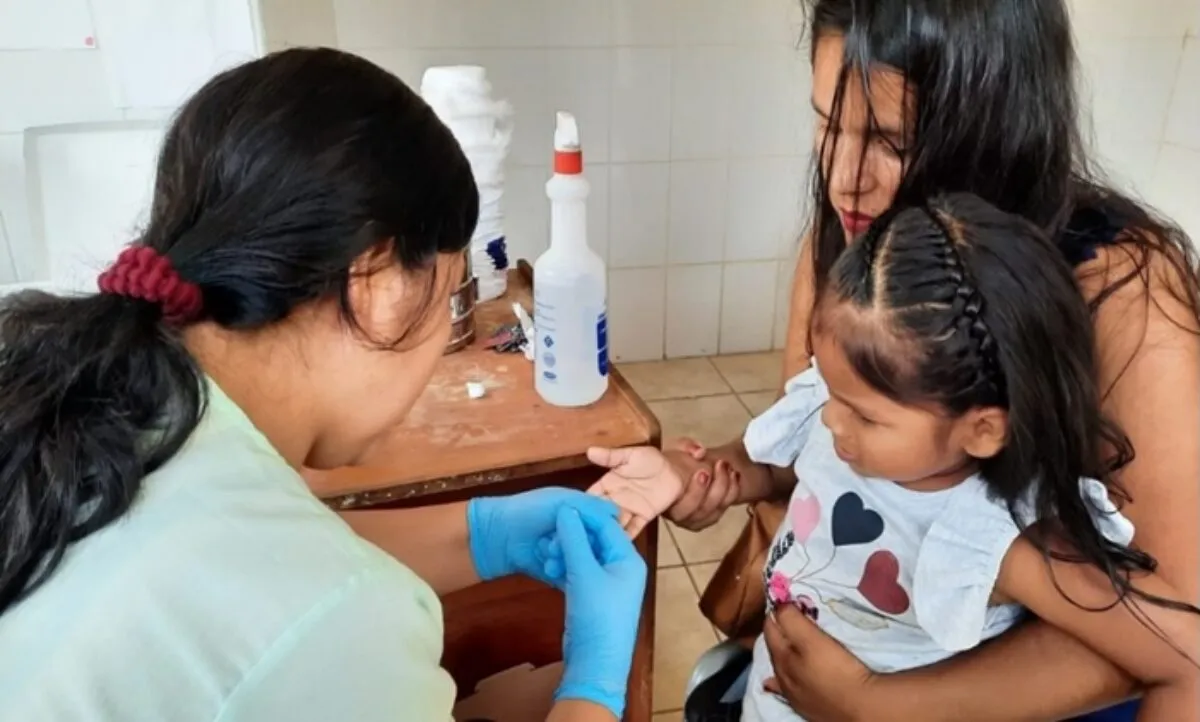
Some 8,000 children were tested for lead poisoning in 5 countries.
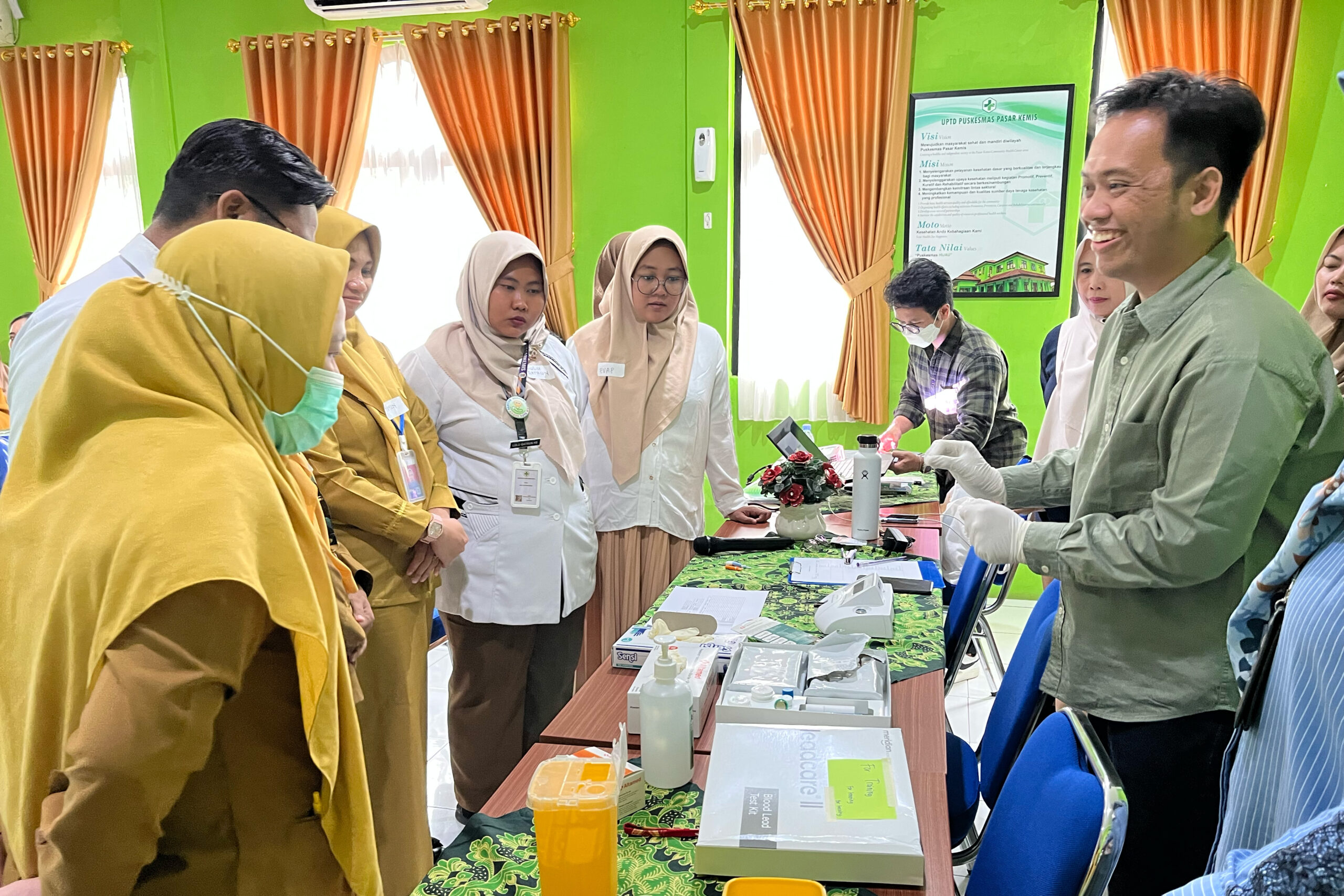
Approximately 56,000 adults and children will be tested for lead poisoning in 12 countries by 2028.
We are working with 9 countries to develop clinical guidelines for the management of lead exposure cases; 2 countries have already adopted treatment recommendations.
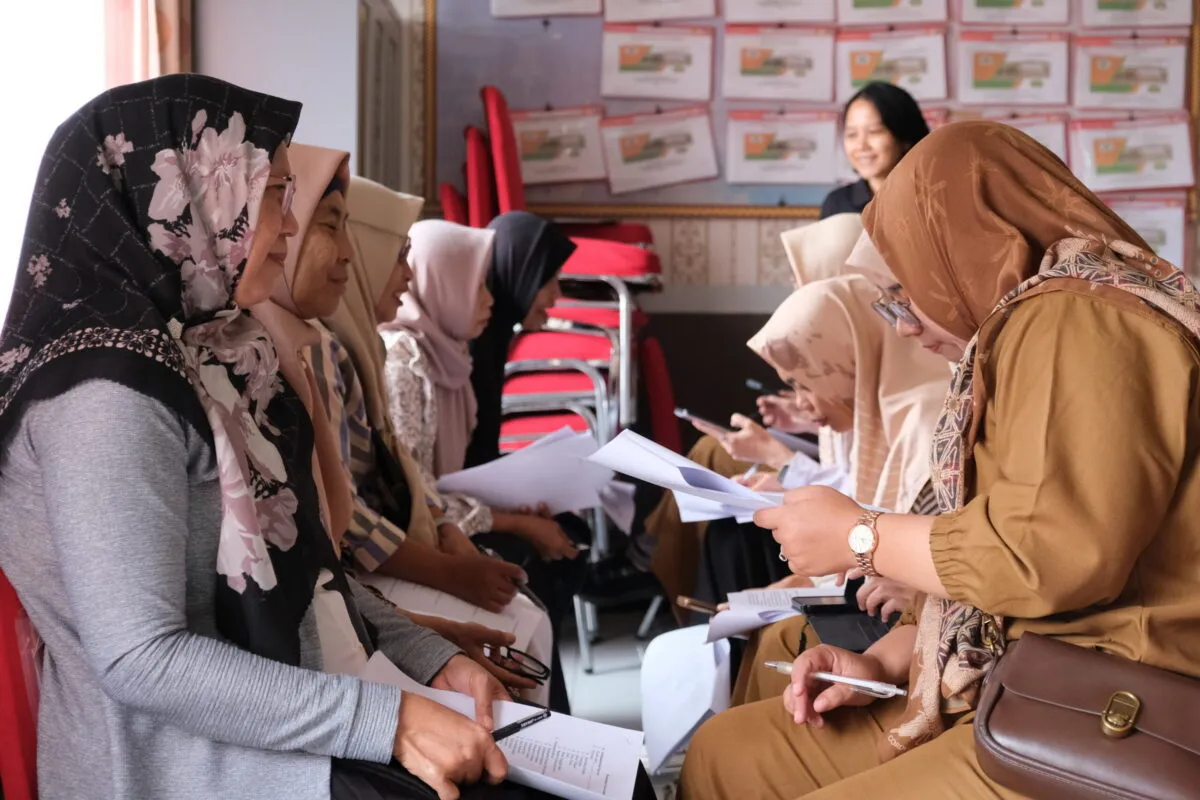
More than 200 community health workers have been trained in lead poisoning prevention in 2 countries.
Why It Matters
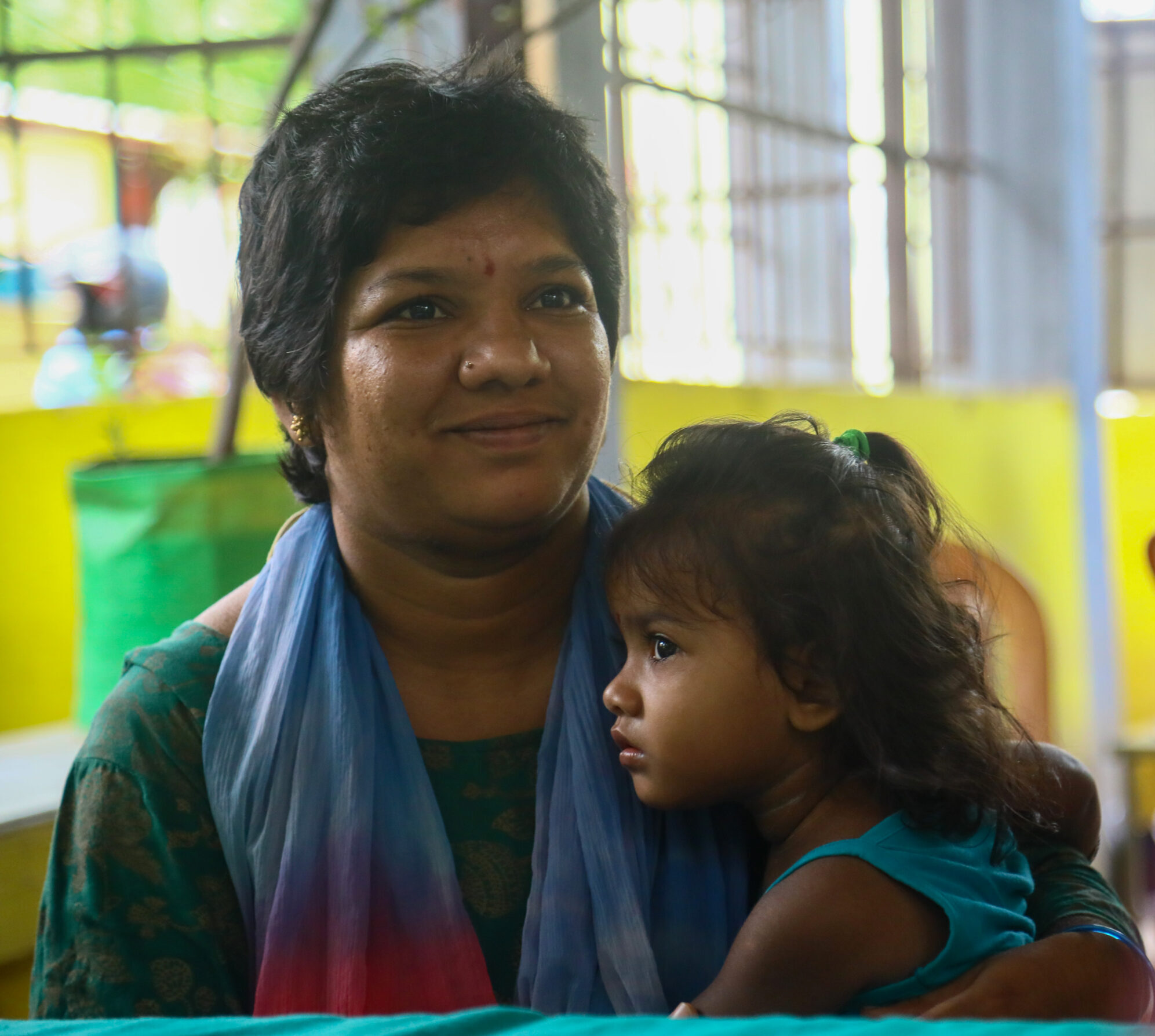
Lead can be found in everyday products, workplaces and environments, including battery recycling plants, e-waste, lead-based paint, contaminated soil, cookware, spices and cosmetics. More than 800 million children have unsafe blood lead levels, affecting brain development and growth, and influencing their lifetime health, as well as their social and economic potential. Lead’s harms last into adulthood; for example, pregnant women can expose their developing baby, and the effects contribute to 5.5 million cardiovascular deaths annually.

How We Work
Our team of researchers, analysts, communicators and technical experts support governments to strengthen their public health systems to prevent lead exposure.
Vital Strategies and its partners support governments in developing a comprehensive public health strategy to prevent lead exposure. In collaboration, we design lead surveillance systems, identify key sources, compile and analyze critical data, reimagine clinical guidance, build capacity and awareness and promote policy solutions.
Despite clear levels of harms, many countries do not currently monitor lead exposure and its sources. Lead can be found in everyday products, workplaces and environments, including battery recycling plants, e-waste, paint, cosmetics and spices. That’s why our work starts with the development of a robust, country-specific data system that reduces reliance on modeled global estimates by generating accurate, locally sourced data to inform policy, programming and resource allocation. Vital Strategies supports 20+ governments in answering critical questions — including who has been exposed to lead and what the sources are — in order to characterize the problem and catalyze action.
Along with our partners, we prioritize work in countries with some of the highest estimated health and social costs of lead poisoning. Our approach emphasizes government ownership, ensuring that strategies align with local priorities and needs.
Areas of Focus
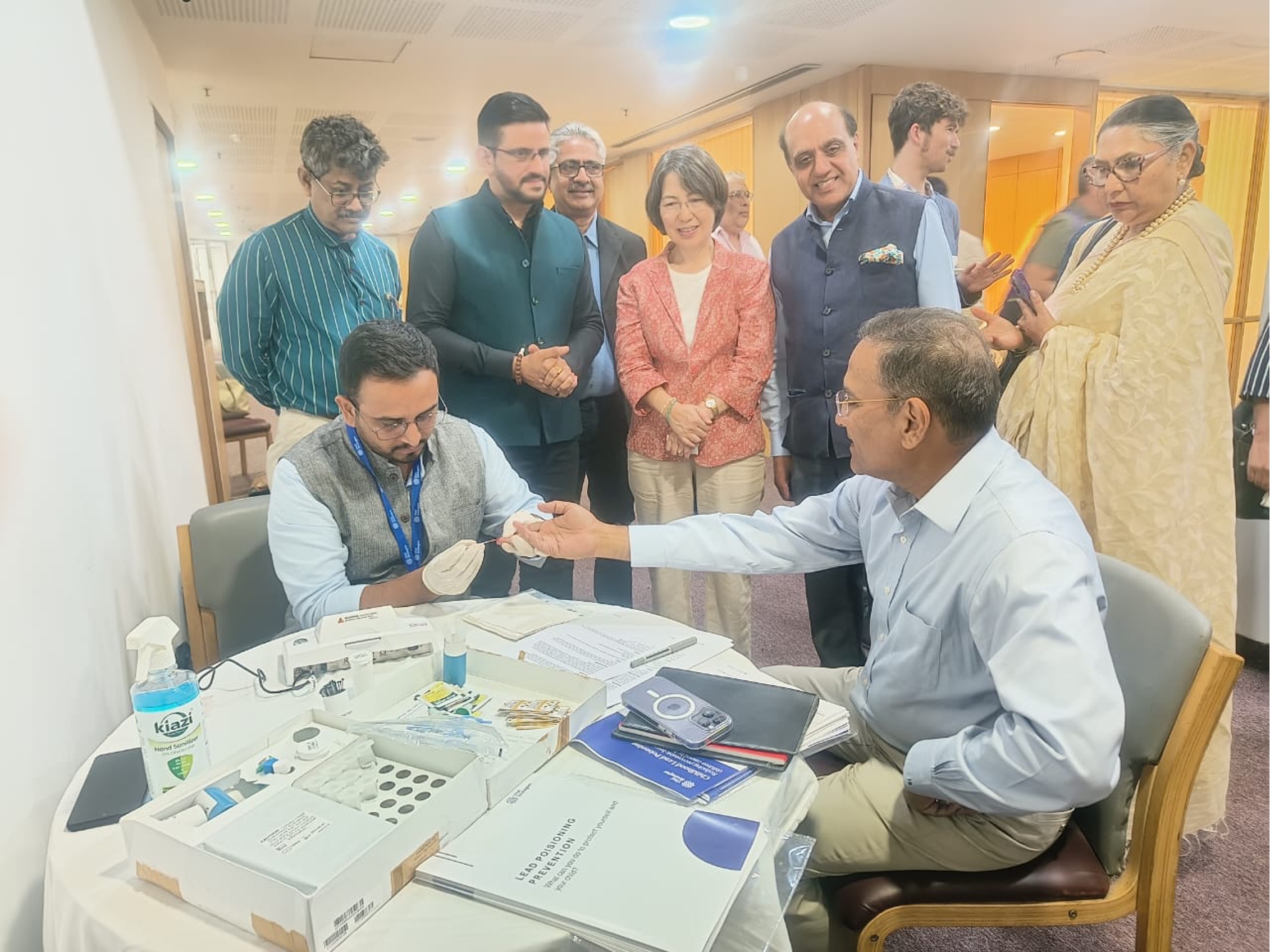
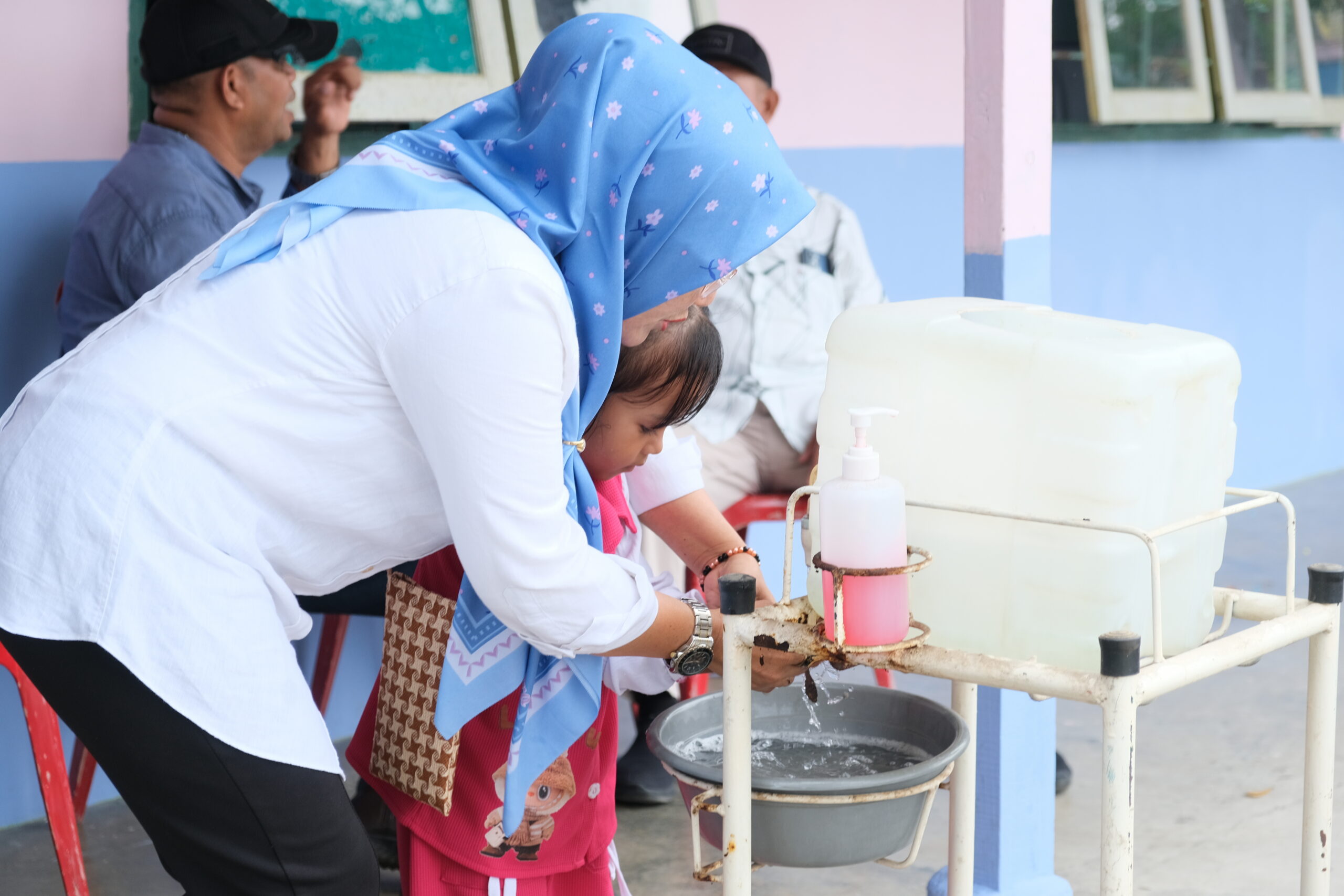
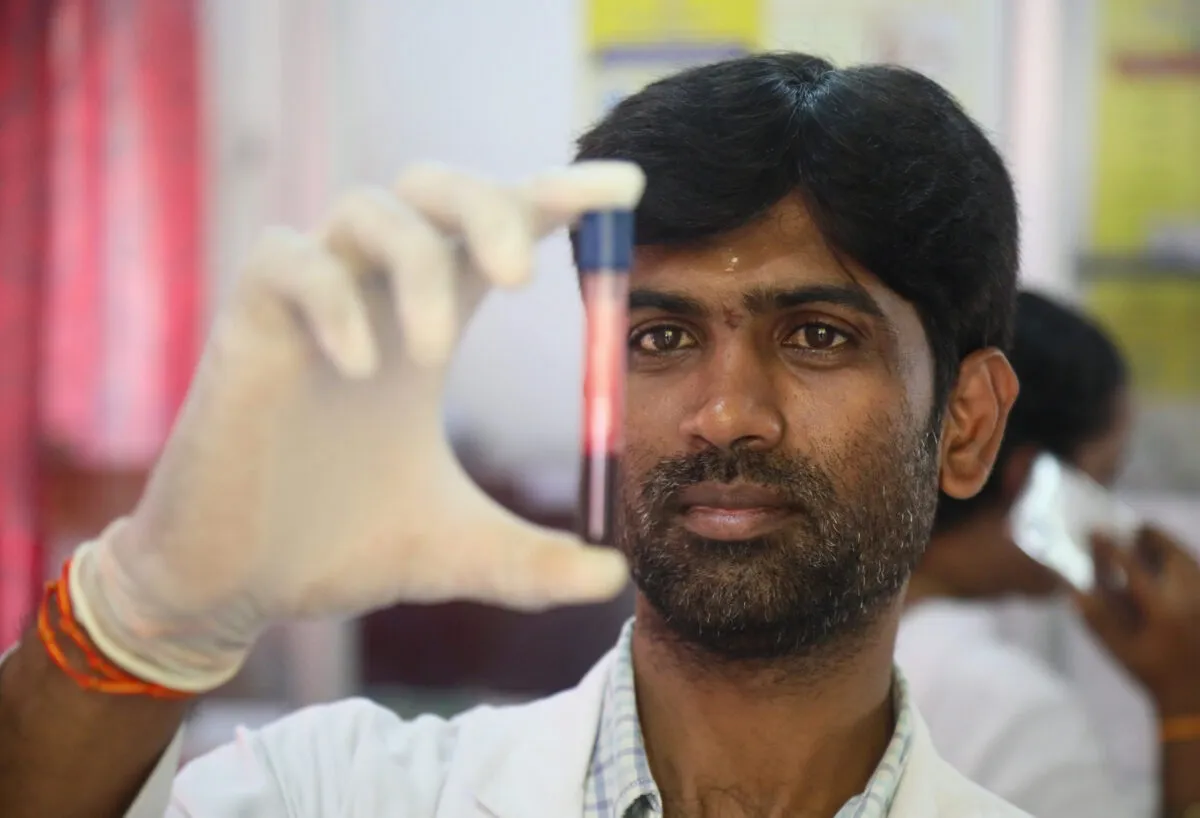
Our work focuses on such areas as designing and conducting blood lead surveys, integrating data, and supporting governments to adopt international guidelines and best-practice policies to reduce lead exposure among children and adults.


Bloomberg Philanthropies Lead Poisoning Prevention Initiative
Bloomberg Philanthropies supports lead poisoning prevention efforts in some of the highest-need countries in Asia, Africa and South America through several approaches, including:
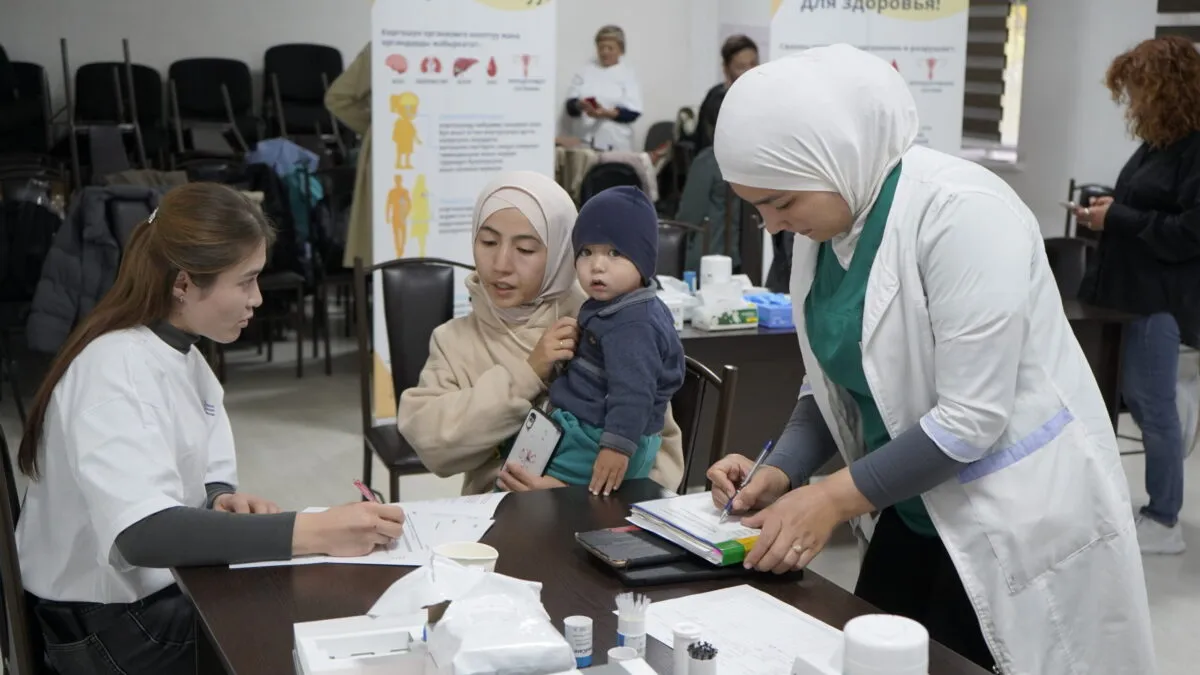
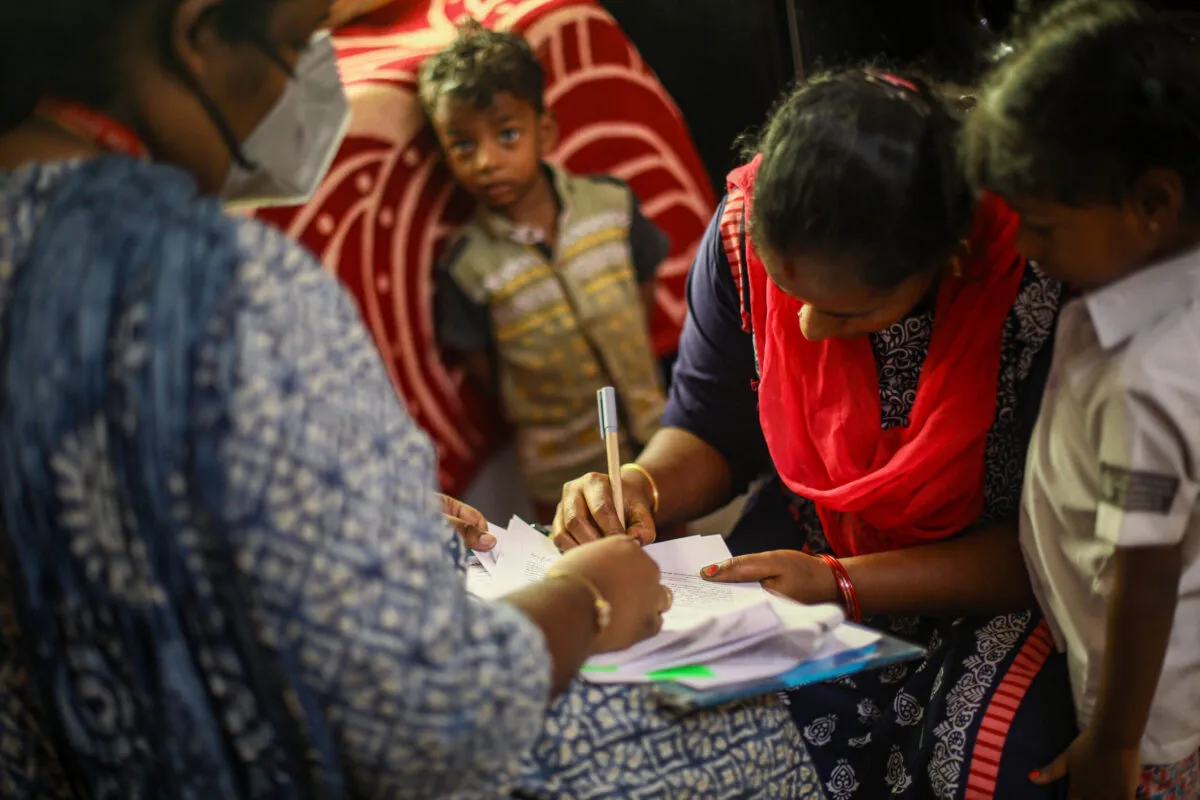
- Conducting blood lead level surveys in children and adults
- Supporting the elimination of lead-based paint
- Conducting market surveys to identify key sources and supporting work to eliminate these sources
- Adapting clinical guidance to countries’ needs and developing a lead policy guidance package
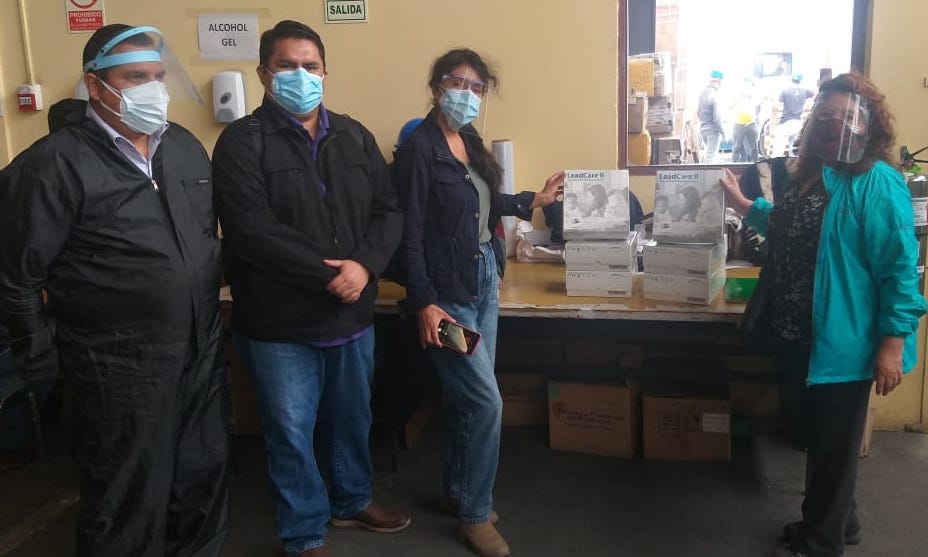
- Training laboratory technicians and developing toolkits on best practices for testing blood lead levels

Coefficient Giving Lead Exposure Action Fund
The Coefficient Giving Lead Exposure Action Fund supports partners working to identify and eliminate major sources of lead exposure in low- and middle-income countries. Our strategy focuses on three key areas:
- Measurement: Determining where and how people are exposed — via blood lead testing, household assessments, and source screening (e.g., spices, paint, cosmetics)
- Mitigation: Supporting policy and technical solutions to reduce exposure, from eliminating adulterated turmeric to improving battery recycling
- Mainstreaming: Elevating lead as a priority issue for governments, aid agencies and philanthropies