
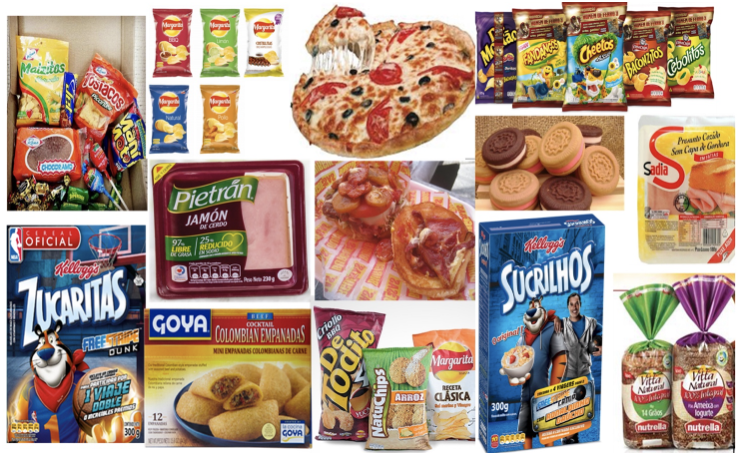
Without exception, obesity rates have risen in every country around the world. Between 2016 and 1975, worldwide obesity tripled. But what can account for this dramatic increase? One key reason: Societies have moved from traditional diets towards diets high in ultra-processed products or “junk foods,” such as sugary drinks, snack foods, frozen meals, packaged breads and frozen desserts. The evidence is robust: diets high in ultra-processed products are significantly associated with obesity, high blood pressure and diabetes worldwide. Despite being widely available, the harmful effects of ultra-processed products are not always known by consumers, and often underplayed by government authorities due to industry involvement. Even during this year’s UN Food System’s Summit, ultra-processed food was noticeably missing from the agenda.
With more than one-third of the world’s population overweight or obese, and the COVID-19 pandemic revealing deep structural inequities in food environments, the push to combat unhealthy diets and ultra-processed products has become more urgent than ever. To learn more about ultra-processed products, how consumers can be more informed about their harms, and what governments can do to better regulate these health harming products, we sat down with Trish Cotter, Senior Advisor and Global Lead of the Food Policy Program at Vital Strategies.
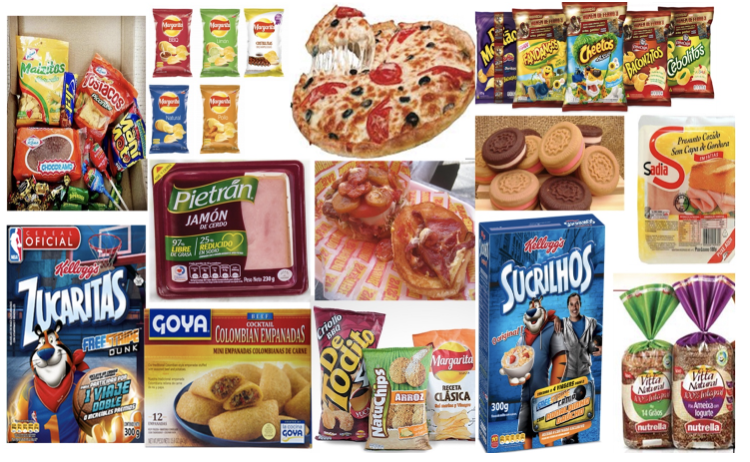
Discretionary foods: Foods and drinks not necessary to provide the nutrients the body needs, but that may add variety. Many of these are high in saturated fats, sugars, salt and/or alcohol. (Australian Dietary Guidelines)
Can you explain why consumers are often unaware of the risks of ultra-processed products? What role does marketing and advertising play?
Ultra-processed products have creeped into our lives under the guise of convenience backed up by some extremely clever and consistent marketing by the food and beverage industry. In a research study conducted in Brazil and Colombia amongst focus groups of adult men and women ages 25 to 55 years, we found that marketing is so persuasive and pervasive that people associate these harmful, ultra-processed products with family, social gatherings, children, ease, joy, cravings and even breakfast and physical activity. Worldwide, palates (and brains) have been trained to crave these foods all the while the food industry continues to invest millions in marketing them to be highly desirable. The food and beverage industry has infiltrated the mind of the consumer. As a global public health community, we have a responsibility to warn consumers about the harms of ultra-processed products and, at the same time, ensure that this is not an individual problem but a systematic issue.
What steps can public health practitioners and policymakers take to raise awareness on the harms of ultra-processed products?
For public health efforts to be successful in reducing harm, it is crucial that the term “ultra-processed products” is clearly and consistently understood by consumers and the public. One thing in the public health community’s favor is that the term “ultra-processed food” sounds really unfriendly. People can conceive of these products as being unhealthy, and most recognize them to be harmful. We can use this to our advantage and fight against industry marketing efforts. Like the marketing industry builds a brand, public health needs to build meaning around the term “ultra-processed” to alert consumers about its harms.
We can also look at past movements—like tobacco control—to see where the public health community has achieved huge policy wins and strong public understanding of the consequences of consuming a dangerous product.
Public health practitioners are not alone. Ministries of health and governments must also play their part. Government regulations are important for reducing the consumption of ultra-processed foods. For example, governments can implement proven policy approaches like clear front-of-package warning labels which help consumers identify unhealthy products and taxing sugary drinks and junk food which can reduce consumption and also increase government revenue that can be used for other public health efforts. Just like tobacco control efforts–warning labels, marketing restrictions, taxes and investment in strong media campaigns–would put us on the right path to a healthier future.
To truly stop the devastation to our food system and our health, governments and the global public health community need to urgently build the image of ultra-processed products—those glossy packaged, alluringly marketed, ready-to-eat, convenient and tasty products—for what they really are: the vector for obesity and a risk factor for serious disease.
Read the latest research brief and commentary.
Learn more about our food policy work and please visit vitalstrategies.org or follow us on Linkedin and Instagram.