Our work in Latin America and the Caribbean

Across 15 countries in Latin America and the Caribbean, Vital Strategies partners with governments and civil society to build healthier, safer communities. From supporting health tax policies and gender-based violence prevention in Brazil to improving road safety across the region, our work strengthens the systems that make lasting public health impact possible.
Policy solutions supported at national, state and city levels
Public health systems improvements supported in the region
Partnerships with government ministries, agencies and local authorities
Strategic communication campaigns supported in partnership with the government
Building Public Health Intelligence
Better data leads to better decisions. We support governments to count every life, identify causes of death and use evidence to shape policies that improve health.
Peru
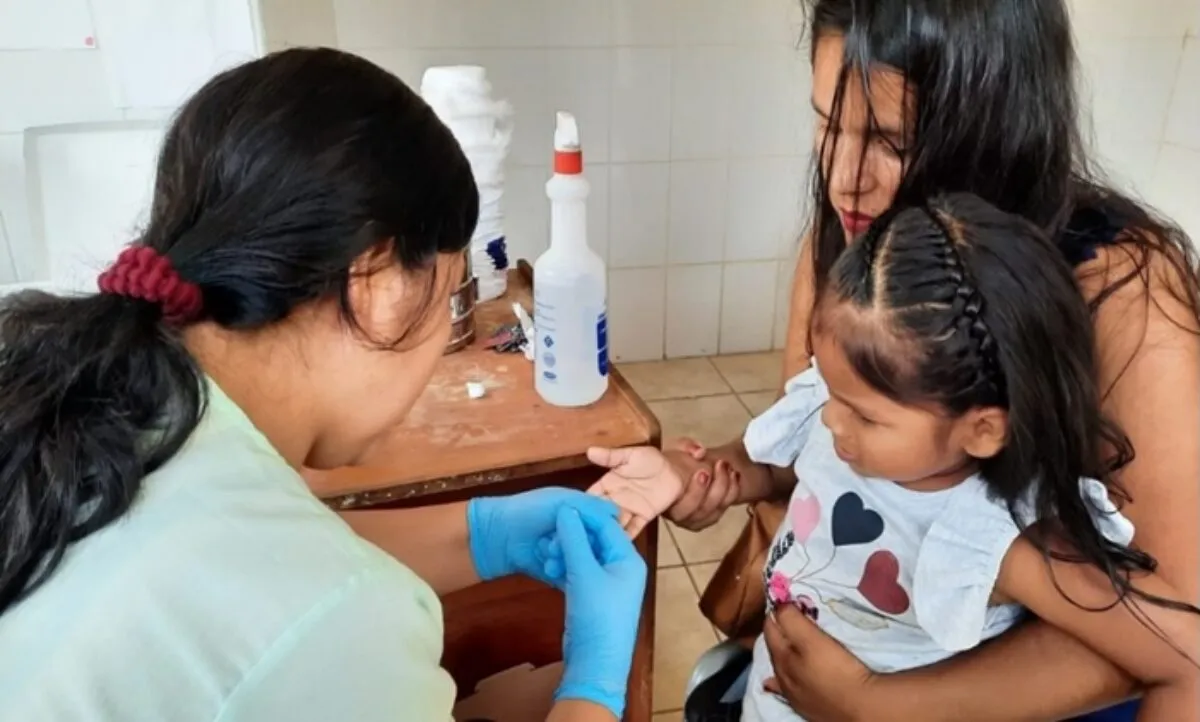
For the first time, Peru had national data showing which children were being poisoned by lead and how to intervene — with the help of Vital Strategies, the Ministry of Health and CDC-Peru designed and launched the country’s first national surveillance system for childhood lead poisoning, testing blood lead levels in 1,000+ children.
Decisions that once relied on two-year-old cause-of-death data now happen in real time. Vital Strategies supported the digitization of hospital cause-of-death records, cutting the reporting lag from two years to two weeks.
Paraguay
Paraguay is the first Latin American country to measure how well its schools comply with globally recommended noncommunicable diseases prevention standards. In partnership with Pan American Health Organization, Vital Strategies supported the government to adapt and implement WHO’s Global School Health Policies and Practices Survey, with full results informing the country’s National Action Plan for NCDs by 2030.
Brazil
All 5,570 municipalities and 27 federal units now have stronger data on children’s and adolescents’ mental health to guide prevention strategies. The Children’s Mental Health Promotion Platform offers a dashboard to track factors that protect against or increase risk of mental illness.An innovative survey program is providing decision-makers with data on health realities that standard data systems may miss. Through More Data Better Health, Vital Strategies has piloted four national survey modules since 2025—primary health care, everyday discrimination, climate and health in the Legal Amazon and cancer risk perceptions—producing first-of-its-kind data now shaping public health policy.
Fortaleza
Fortaleza is strengthening its response to climate-related health risks with its Climate Risk Observatory. The platform combines real-time heat monitoring with air quality data from 30+ low-cost sensors installed across the city, with support from the Partnership for Healthy Cities—and has since been made a permanent tool through city climate policy to support evidence-based climate adaptation and protect public health.
Recife
Women at risk of violence and patients showing warning signs of suicide are now being flagged months before a crisis hits. Vital’s AI model, first applied to gender-based violence, found that at-risk women sought care up to 90 days before their case was reported. Applied to suicide prevention, it found patients often mentioned suicidal ideation 170+ days before an attempt, without referral to specialized care. The methodology now guides Recife’s violence prevention efforts and is expanding to Rio de Janeiro and new mental health work.
Buenos Aires (Argentina) and Mexico City (Mexico)
Cut the time spent consolidating annual crash and injury data, freeing road safety teams to act on it instead of just collecting it. Vital Strategies helped implement AI-powered tools that reduced the labor of gathering and consolidating the data, without losing accuracy, from 480 hours to 28 (Buenos Aires) and from 1,780 hours to 4 (Mexico City).
Colombia: Counting the Undercounted in Rural Colombia
“Nationally, we have about 85 to 90 percent [birth registration] coverage now… But that last 15 percent makes up the poorest, most disenfranchised segment of the population. You’re talking about five or six million people. And because they aren’t registered, it’s as if they don’t exist.”- Víctor Hugo Álvarez Castaño, Former Director of Epidemiology at Colombia’s Ministry of Health (quoted in 2023 New York Times article)
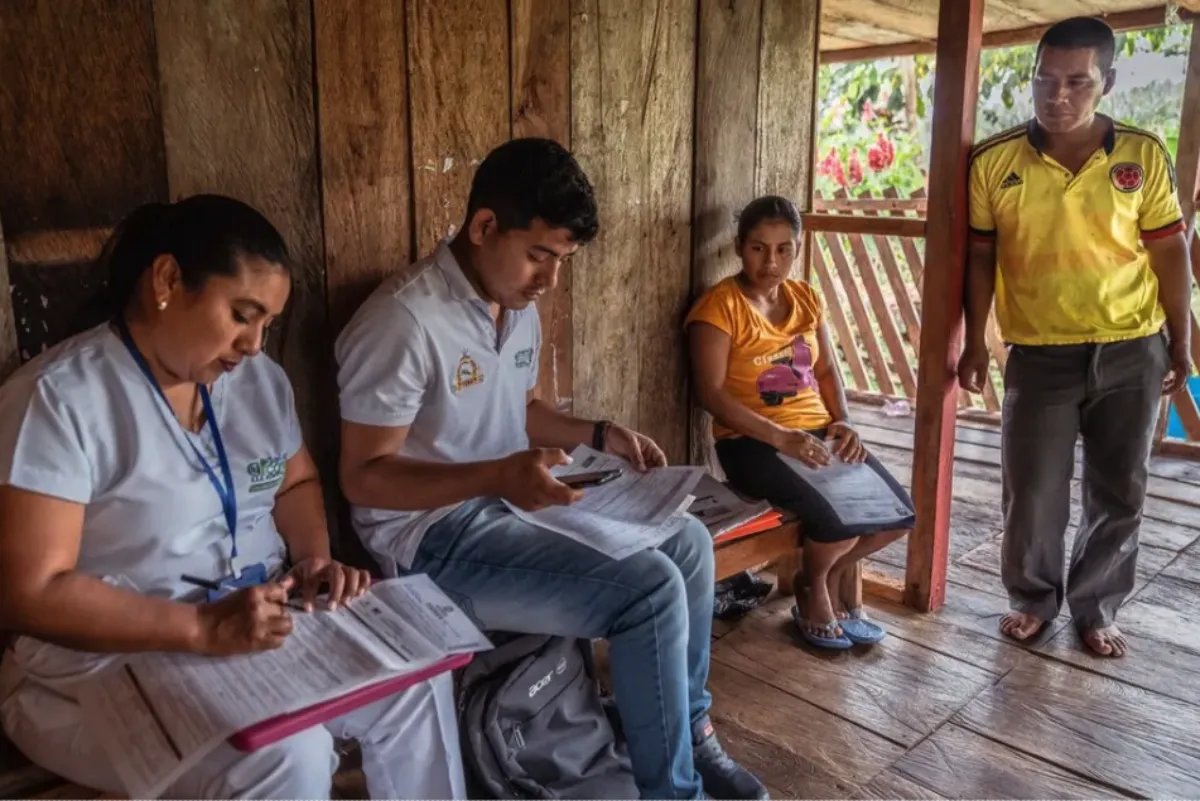
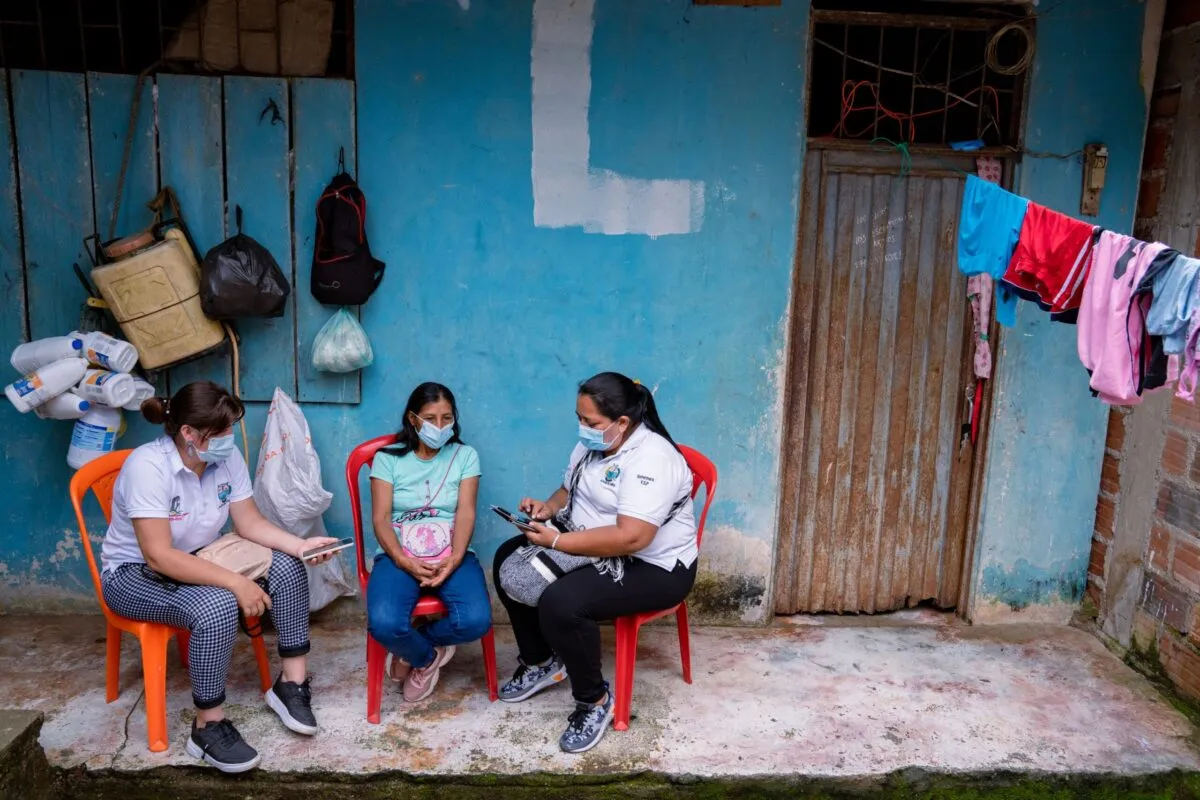
In 2015, certain underserved areas of rural Colombia had as few as 20% of residents registered in the country’s civil registration and vital statistics system, locking local populations of mostly Black and Indigenous people out of services like hospital care and legal protections. Since 2018, the Colombia Rural Vital project—developed as part of the Bloomberg Philanthropies Data for Health Initiative, with Vital Strategies providing technical assistance and training—has helped close that gap. The initiative enables people to text a toll-free number when a baby is born or someone dies outside a hospital, routing the report to health workers who verify the event and issue a certificate.
Results:
- 2,000+ people—community leaders, nursing assistants, health promoters and doctors—trained to perform verbal autopsies, the WHO-recommended strategy to identify causes of death outside of health facilities.
- 924 births have been registered and 640 deaths reported.
- 10% (326 out of 3,240) of deaths were counted that otherwise would not have been in 2023.
- Putumayo department scaled the strategy from one municipality to all 13.
Read more about the Colombia Rural Vital project in The New York Times Magazine.
Partnering for Policy Solutions
Proven policies save lives. We work with governments to reduce consumption of harmful products, generate revenue and improve health at scale
Medellín, Colombia
Students at 600+ schools and universities are now protected by smoke- and electronic-cigarette-free zones—with the Partnership for Healthy Cities supporting implementation of the city regulation, including helping schools update internal policies, post signage and initiate communication campaigns.
Brazil, Peru and Uruguay
Investigative journalism exposing tobacco industry interference is unlocking stalled policy. In Brazil, the coverage helped unblock implementation of an alternative livelihoods program for tobacco farmers. In Peru it spurred the Ministry of Health to move forward on new product regulations, and in Uruguay it led to the annulment of a decree allowing the sale of heated tobacco products.
Lima, Peru and Córdoba, Argentina
Local law now guarantees schoolchildren access to healthy food and water at school. In Córdoba, students can buy only healthy food at school kiosks and have access to free drinking water. In Lima, they’re protected from unhealthy food marketing near schools, with restaurants also required to offer healthier options. Both efforts were supported by the Partnership for Healthy Cities
Guadalajara, Mexico
20 km/h speed zones now protect students at schools across Guadalajara. With Partnership for Healthy Cities and Bloomberg Philanthropies Initiative for Global Road Safety support, the city adopted an amendment aligning with national law—formally delineating school zones, capping speeds and adding other pedestrian safety measures.
Mexico City
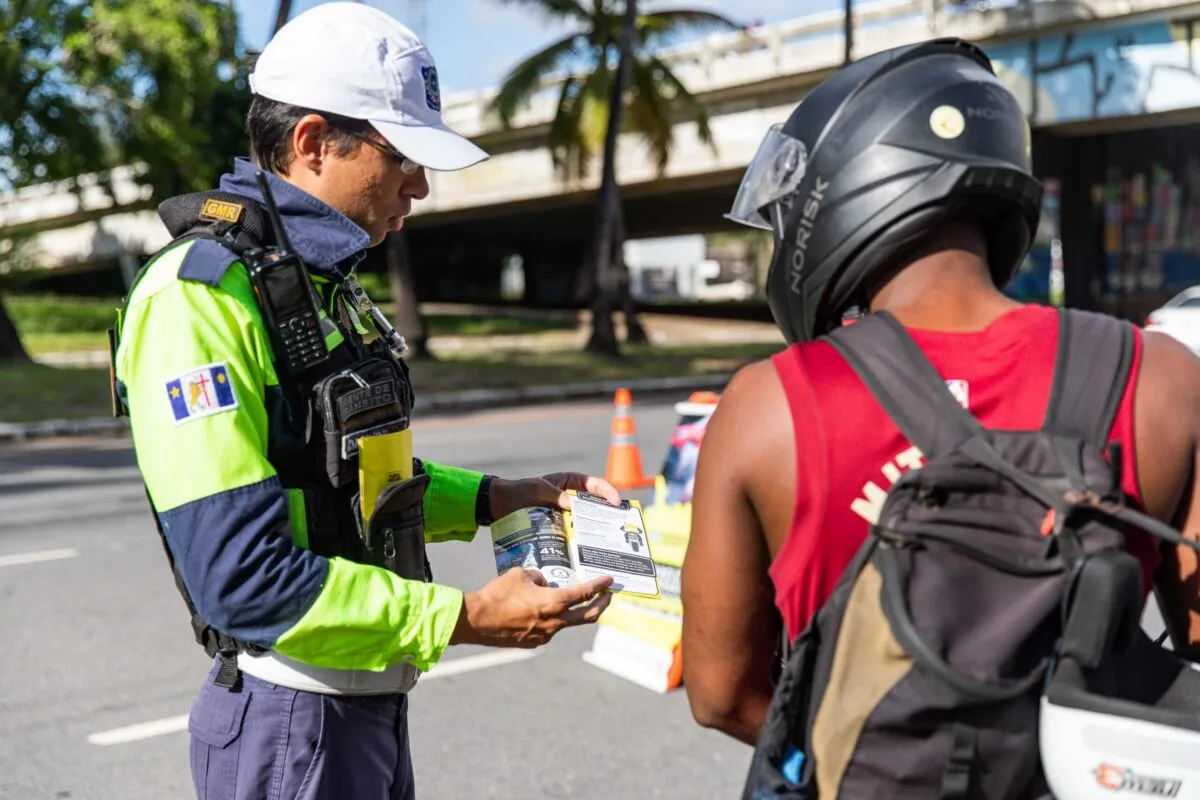
New motorcyclist safety regulations drove a 33% drop in crashes and a nearly two-thirds reduction in citations for carrying minors. The Partnership for Healthy Cities supported implementation of these lifesaving efforts—including signage at high-risk locations, checkpoints and a city-wide communication campaign.
Bolivia: Advancing HIV Prevention for Key Populations
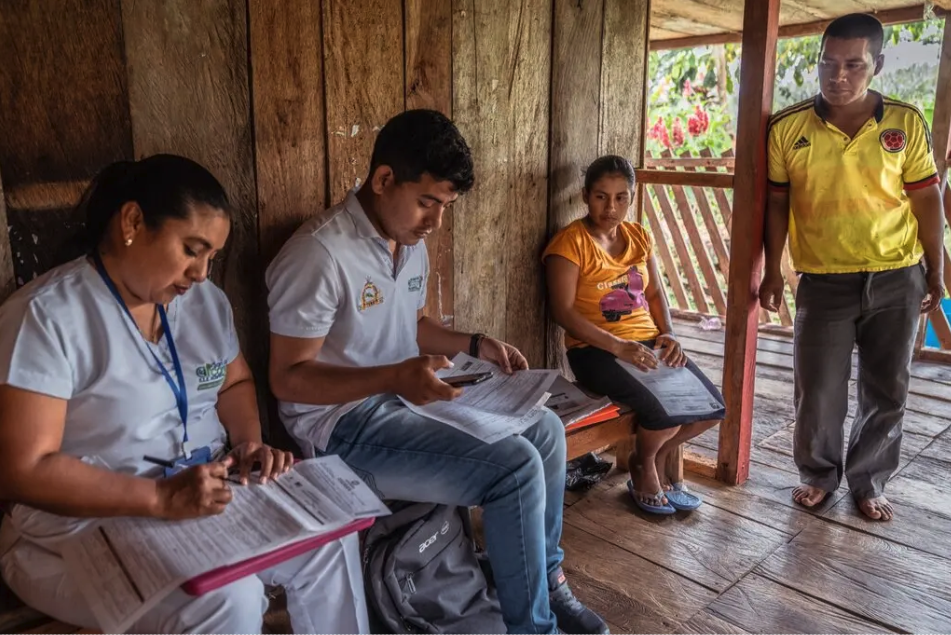
Transgender women, and men who have sex with men, face disproportionate HIV risk, and until recently, Bolivia had no standardized path to give them access to pre-exposure prophylaxis (PrEP), a highly effective prevention tool. Vital’s Data Impact Program supported Bolivia’s Ministry of Health to develop policy briefs, including one recommending national PrEP implementation for these populations. The recommendation progressed from analysis to pilot testing to an approved national standard, positioning Bolivia for nationwide rollout through a forthcoming ministerial resolution.
The path to national rollout and impact:
- Pilot studies conducted in health facilities across four regions to validate PrEP protocols.
- LGBTIQ+ organizations, the Ombudsman’s Office, UNAIDS, PAHO and civil society groups committed to supporting implementation.
- 200 new cases of HIV per year could be prevented, according to Ministry of Health estimates.
Communicating for Health
The right message changes minds and policy. We support campaigns that shift behavior, counter misinformation and build support for health over industry profits.
Building Momentum for Change
Mexico
National legislation now protects the country’s 129 million people from smoking and electronic cigarette use in all indoor and many outdoor public spaces. A Vital Strategies-supported campaign reached 50 million people and mobilized an online movement of 71,000+ advocates who pressed legislators directly, helping drive the law’s unanimous passage.
Jamaica
Jamaicans who saw a campaign on the harms of sweetened beverages were significantly more likely to support a tax than those who didn’t. Vital Strategies partnered on the national “Are We Drinking Ourselves Sick?” campaign to build support for regulation, recalled by more than 80% of the population. In 2026, Jamaica implemented a sweetened beverage tax.
Colombia
Passed first-of-its-kind legislation taxing ultra-processed foods and sweetened beverages, paired with a resolution mandating best-practice octagonal front-of-package warning labels. Vital Strategies helped develop multiple mass media campaigns that built public support and laid the groundwork for policymakers to act.
Bogotá
Cut motorcyclist fatalities 24.3% below projected levels during a high-risk holiday period. A Vital Strategies-supported media and enforcement campaign, pairing data-driven messaging with speeding checkpoints, helped push drivers to slow down.
Barbados
Banned sweetened beverage sales and limited unhealthy foods in schools under a new National School Nutrition Policy, building on an earlier increase in the sweetened beverage tax to 20%. These wins followed years of public momentum built by Vital Strategies-supported mass media campaigns, including “Switch It Up” and “Protect Our Children,” urging Barbadians to avoid sweetened beverages and support healthier food policies.
Brazil
Brazil’s tax reform created a Selective Tax on products harmful to health, including tobacco, alcohol and soft drinks. Vital Strategies helped build the momentum behind the reform through multi-sectoral partnerships and far-reaching media campaigns on tobacco, ultra-processed products and alcohol, reaching millions of Brazilians and generating more than a thousand news stories. A food policy campaign also helped defeat a proposed 2% cap on the soft-drink tax rate, protecting its potential as a public health measure.
Ceará, Brazil
1.8 million children and adolescents are now protected by a state law banning the supply, sale and advertising of ultra-processed products and sugary drinks in schools. The law passed unanimously in September 2025, driven by social mobilization and technical advocacy from Vital Strategies and partners.
Brazil: Building Demand for Front-of-Package Warning Labels
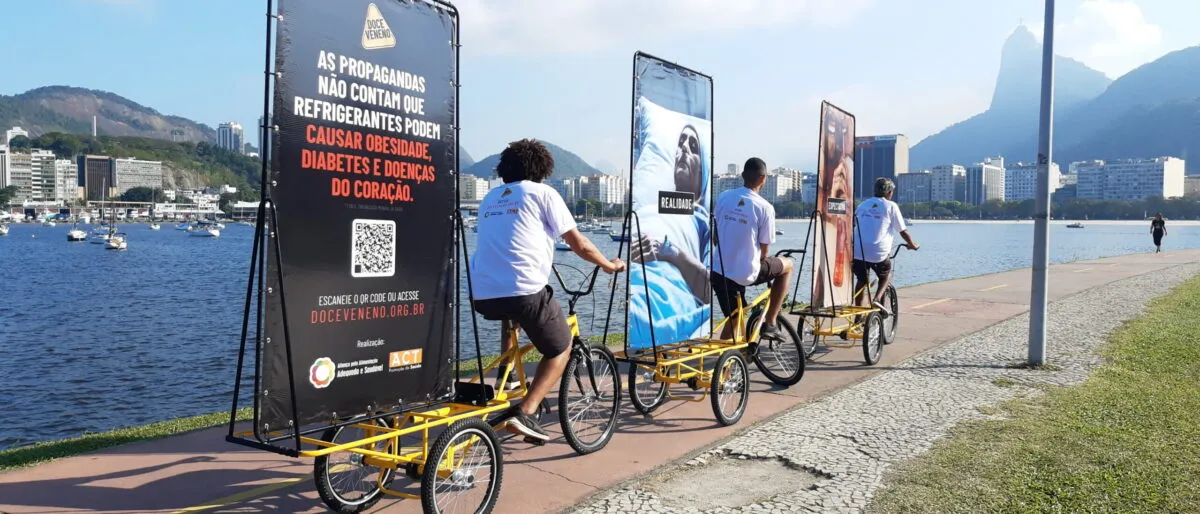
Obesity in Brazil nearly doubled between 2006 and 2018, driven largely by a rapid dietary shift toward ultra-processed products. Starting in 2017, Vital Strategies’ Food Policy Program supported civil society partners with strategic media campaigns to build public pressure for best-practice warning labels that help people understand what’s in their food—and to drive participation in the government’s official consultation process.
Results:
- 741.4 million views of campaign materials across TV, radio, billboards and digital media.
- 27,400 people visited the campaign’s “Right to Know” website.
- 23,400 public submissions to the consultation—a national record.
- October 2020: Mandatory front-of-package labels were approved and have appeared on unhealthy food packaging nationwide since October 2023.