Civil Registration, Identity and Digital Public Infrastructure
Registering a birth, getting a national ID or enrolling in a health program all can rely on connected government systems—what’s known as digital public infrastructure. We help countries build this infrastructure on a foundation of reliable civil registration data, so no one is left out.
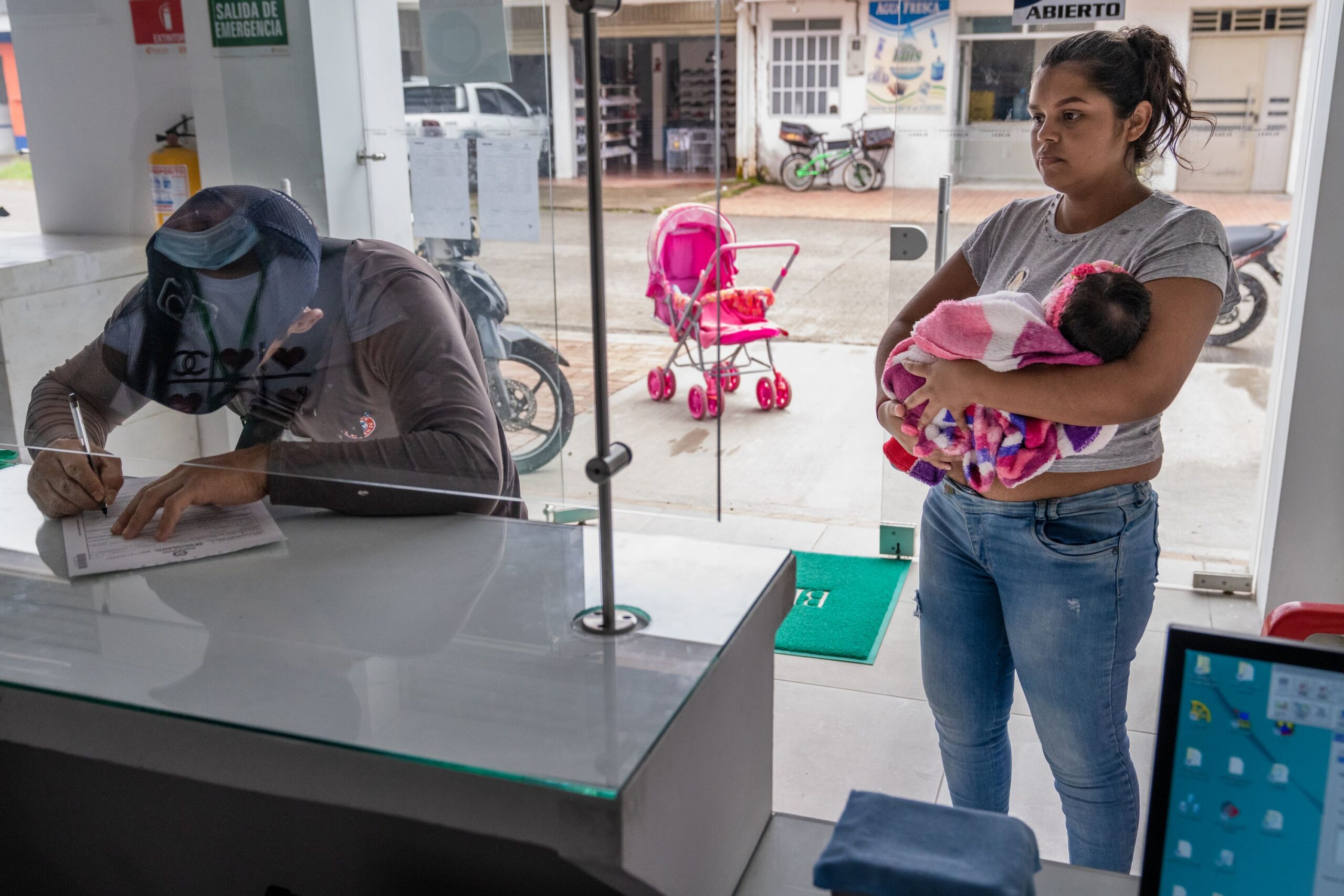
Collect Once, Use Many Times: Civil Registration as the Foundation of Good Digital Systems
When a birth or death is registered, that single record can connect to national ID and a health record, and unlock access to services—automatically.
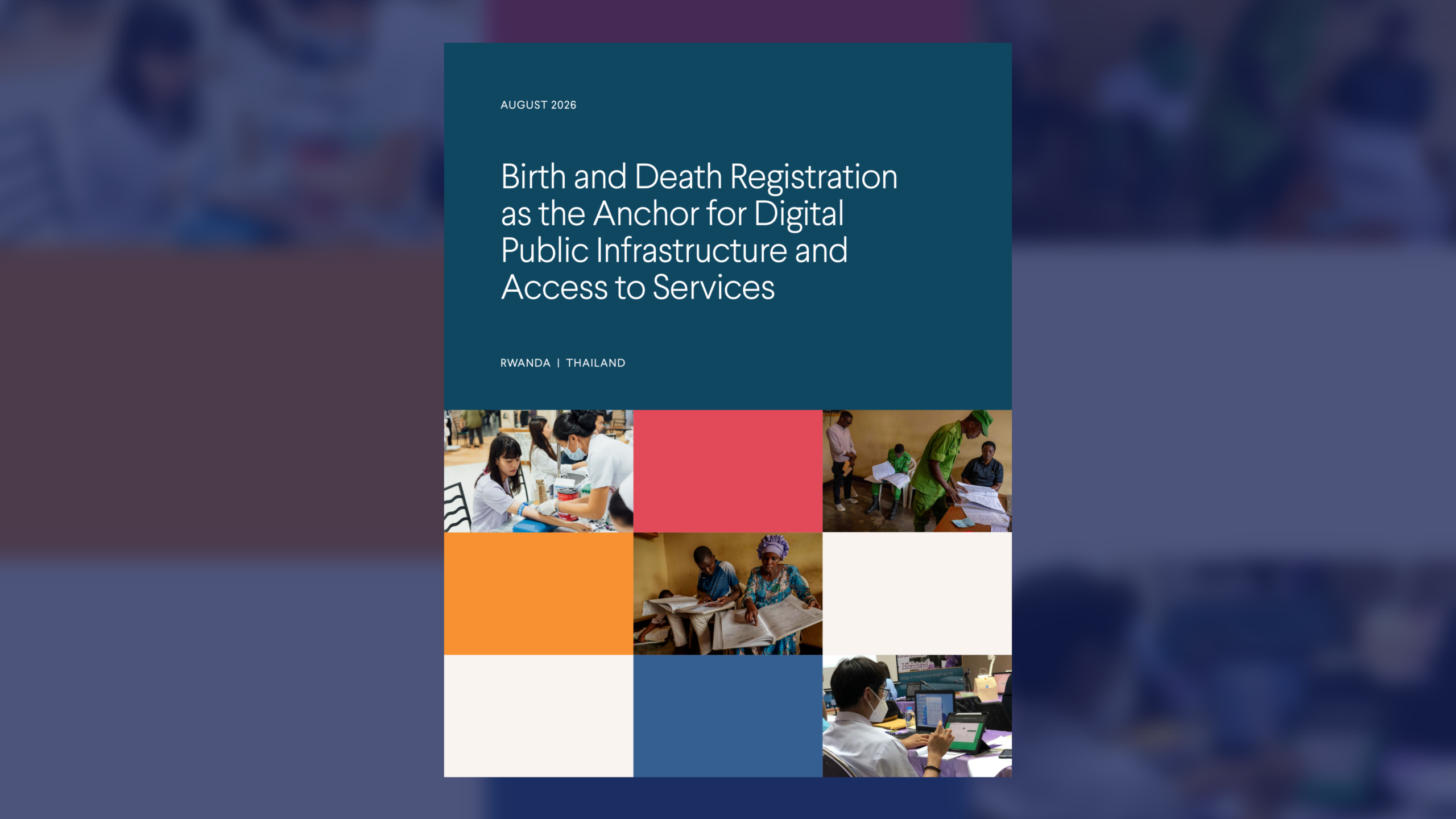
In Rwanda, when a baby is born and registered, a national ID number is automatically issued that links the child’s record to the electronic immunization register and social protection benefits—no extra paperwork, no separate trips to different offices.
That’s the promise of digital public infrastructure, or DPI: government systems that share information securely, so people don’t have to prove repeatedly who they are to access different services.
We help countries build DPI on a foundation of civil registration—the record of every birth, death and legal identity. When civil registration systems are digitized and connected to national ID and service platforms, they can expand access, improve trust, reduce fraud and simplify government services, especially for people who may be hard to reach via paperwork-heavy systems.
In Thailand, this kind of integration helped extend near-universal health coverage and streamlined enrollment in government programs. In Bangladesh and Vietnam, connected systems are improving vaccination campaigns, automating health coverage enrollment and reducing fraud through more timely death registration, which removes those who have died from relevant registers.
We provide technical assistance to design and implement this kind of integration, always starting from the principle that civil registration comes first, since it’s the foundation everything else depends on.
Digital Civil Registration Systems Are Critical for Government Services
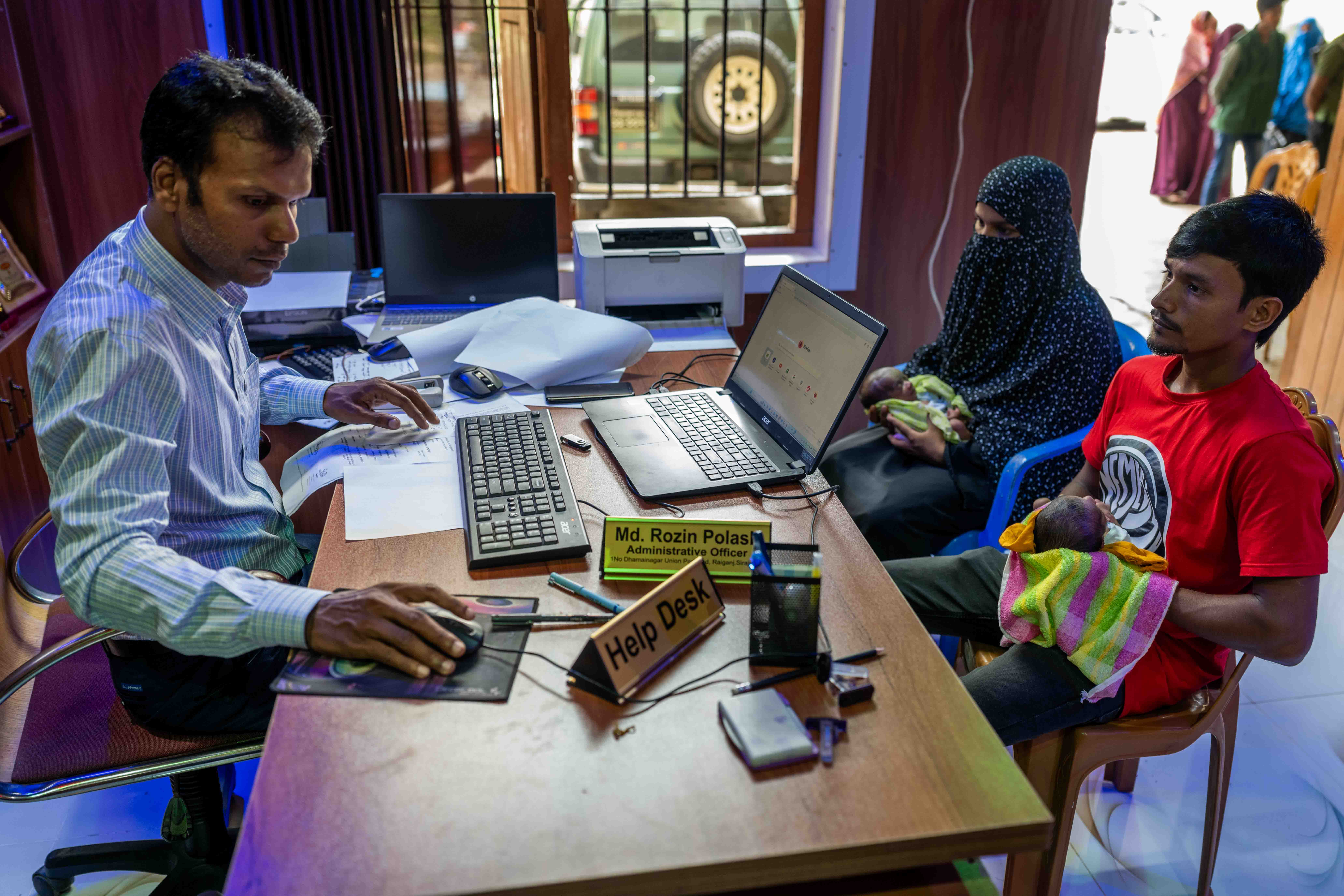
By providing a lifelong record of legal identity, civil registration can enable government systems to talk to each other securely for a person’s entire life. That means less duplicated paperwork, more accurate data and government services that reach more people, more easily.
The Ingredients for Impact

We rely on over a decade of experience of working on the integration of civil registration into broader ID systems—from governance and system architecture to legal frameworks, interlinked processes and IT system compatibility.
CRVSID Case Studies
Working in partnership with the UN Legal Identity Agenda, we produced case study reports on six countries—Bangladesh, Bhutan, Colombia, Kenya, Namibia and Rwanda—that have designed, implemented, and operationalized civil registration, vital statistics, and identity (CRVSID) systems or key elements of them. These case studies explore this process.