
Health and Demographic Surveillance
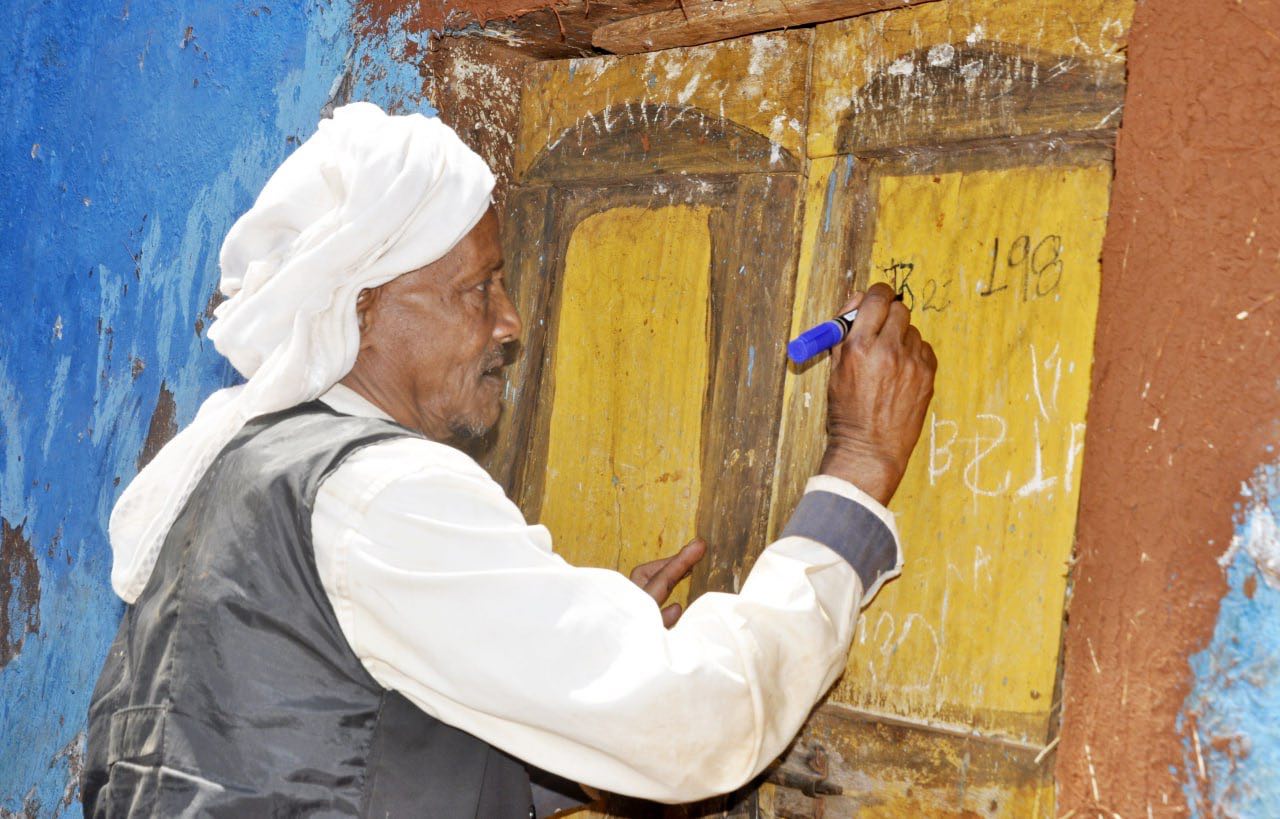
In many low-resource settings, no one reliably knows the number of births or how many people died last year, or why. Health and demographic surveillance system, or HDSS, sites track births, deaths, causes of death and other important health indicators in a defined population—giving countries real data before full civil registration can catch up.
The Ethiopia Project
We help Ethiopia track births and deaths, including causes of death, across 16 HDSS sites to complement the civil registration system and build the evidence base for action.
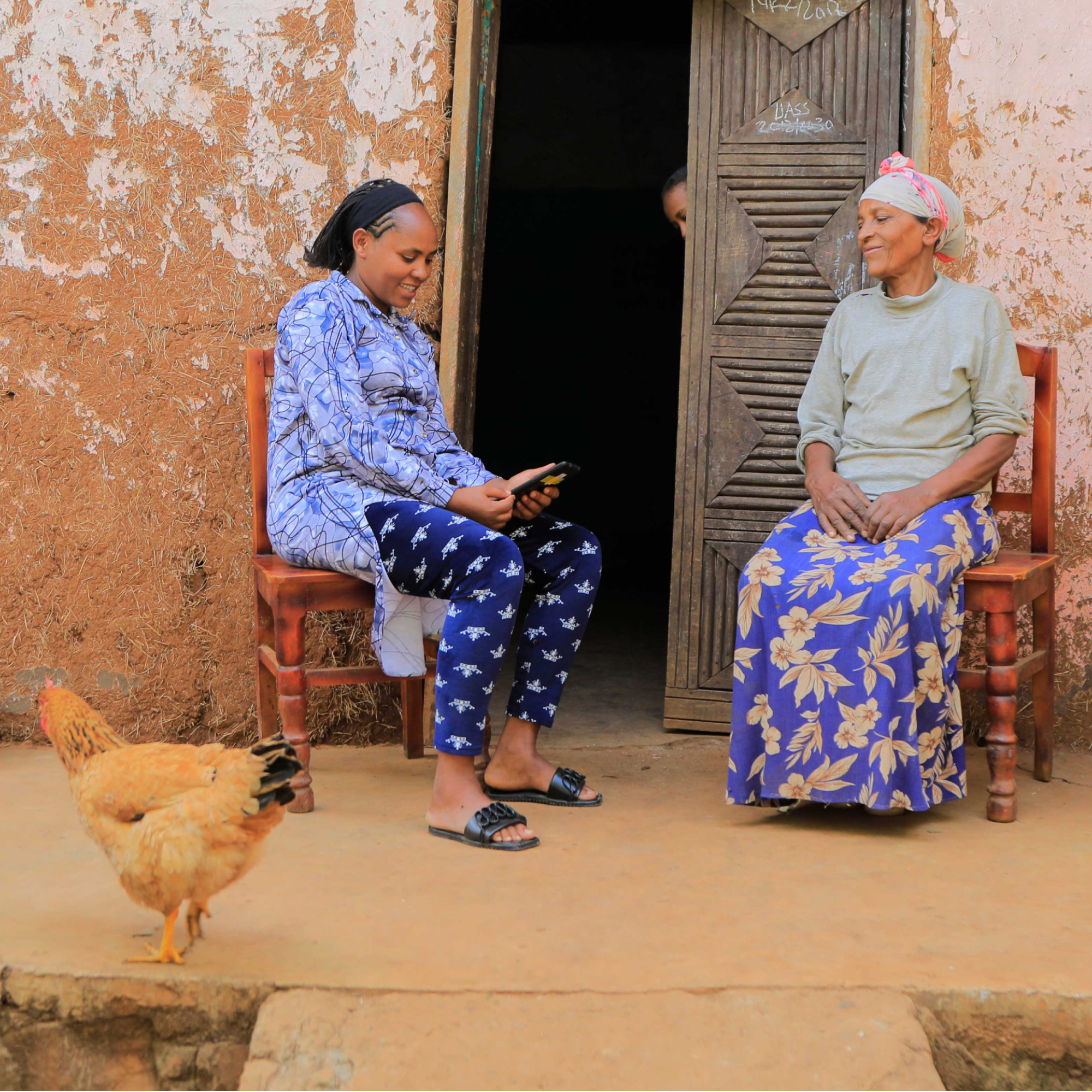
The ImpactHDSS Ethiopia project (IHDSS) connects 16 sites—hosted by academic institution—into one standardized, coordinated network. This network turns local, routine data collection into a foundation for national public health statistics and evidence-informed policy. We work in partnership with the sites, Ethiopia’s Ministry of Health, the Ethiopian Public Health Institute’s National Data Management Center, the Ethiopian Statistical Services and Immigration and Citizen Services.
When the work is complete, it will give Ethiopia a stronger, better-connected system for counting births, deaths and their causes, a stronger foundation for generation of evidence on policy need and demand for services—and the national governance to keep that system running long after outside support ends.
The 16 HDSS sites in Ethiopia, including Bambasi and Dale Wonsho (pictured on this page), are distributed across Ethiopia and collectively cover approximately 1.4 million people, representing about 1.2% of the national population.
There is considerable variation across the sites in terms of such issues as demographicfactors; ecological setting; IT infrastructure; and data collection, management, analysis and use. These differences highlight the need for a standardized yet adaptable approach to strengthening the national HDSS network.
So far, the project has:
- Brought national agencies together under a three-tiered governance structure.
- Built common standards and tools for adoption across all 16 sites.
- Trained local staff and built lasting institutions, not just one-off projects.
- Started using this data to inform policy on gender and equity.
- Strengthened ties to Ethiopia’s broader civil registration system.
What “Technical Assistance” Means in Practice
CRVS has also helped Ghana, Kenya, Senegal and Tanzania to plan sample registration systems —a lighter version of HDSS—linked to national civil registration systems, which will provide faster, more representative vital statistics and cause-of-death data once implemented. For this project technical assistance means has six major themes.
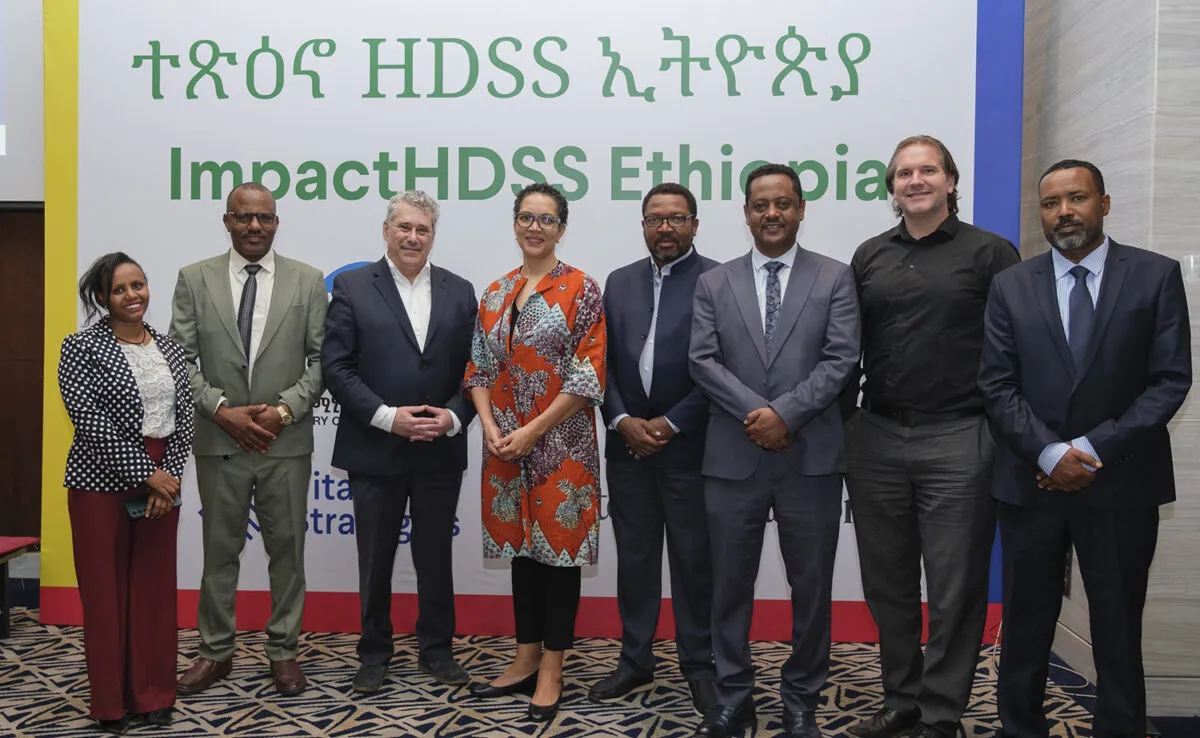
New Initiative Launched in Ethiopia to Strengthen Health Data and Save Lives
ImpactHDSS Ethiopia will enhance government efforts to track births, deaths, causes of death and health-related data for better policy and planning.
Insights and Updates
A Stronger National HDSS Network
A Stronger National HDSS Network16 sites. 10 regions. ~1.4 million people. ImpactHDSS is bringing Ethiopia’s HDSS sites together around a shared vision, strengthening coordination, technical capacity and national ownership of population-based surveillance data.
Better Population & Vital Events Data
Better Population & Vital Events DataGenerating evidence that matters. ImpactHDSS is strengthening the collection and use of data on births, deaths, migration, fertility, pregnancy outcomes and data on health programs, while advancing opportunities to link HDSS data with Civil Registration and Vital Statistics systems and national health intelligence.
Common Standards, Better Data
Common Standards, Better DataOne network. Common standards. ImpactHDSS is supporting the development and validation of harmonized HDSS/SRS standards, indicators and tools to improve data quality, comparability and the contribution of population-based surveillance to Ethiopia’s national data ecosystem.